Uncorking the Kingdom: A Guide to Saudi Arabia’s New Alcohol Sales
In a move that’s sure to raise some spirits, Saudi Arabia is expanding its alcohol sales with new stores planned for Jeddah and Dhahran. This development is a significant step in the Kingdom’s ambitious Vision 2030 plan, which aims for massive economic diversification. This comes after the country opened its first-ever alcohol shop in Riyadh, exclusively for non-Muslim diplomats, a move that signaled a major policy shift.
For decades, a nationwide ban on alcohol has been in effect, following an incident in 1952. Since then, legal consumption was restricted to the private confines of diplomatic missions. This new, carefully controlled approach to Saudi Arabia alcohol sales is designed to cater to the growing expatriate community and boost the country’s appeal as a global hub for business and tourism.
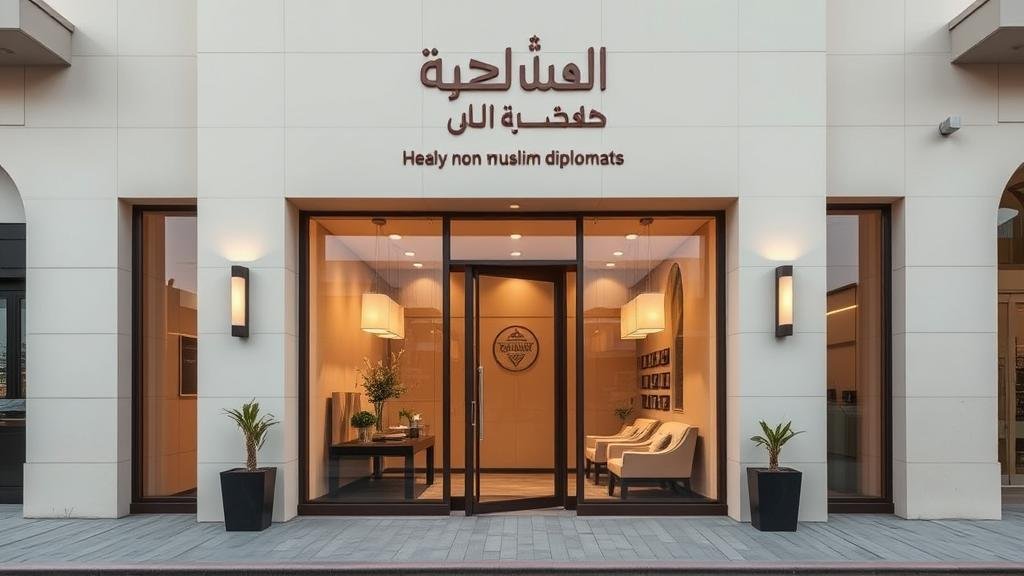
The Riyadh Precedent: A Diplomatic Trial Run
The decision to expand didn’t come from nowhere. In January 2024, a store opened in Riyadh’s Diplomatic Quarter, serving as a controlled experiment. Access is tightly regulated: patrons must be non-Muslim diplomats, register via a mobile app, and adhere to a monthly points-based quota system. The discreet and successful operation of the Riyadh alcohol shop likely gave officials the confidence to approve further locations, confirming that society would not, in fact, implode.
New Locations: Targeting Expat Hubs
The choice of Jeddah and Dhahran for the next stores is highly strategic, targeting key populations of non-Muslim residents.
Dhahran: Home to the Oil Industry
Dhahran is the headquarters of Saudi Aramco, the state-owned oil giant. The area has a large population of Western expats, who are crucial to the industry. For years, many made weekend trips to neighboring Bahrain for alcohol. Placing a store in an Aramco residential compound is a strategic move to retain top talent by bringing the convenience to them.
Jeddah: The Cosmopolitan Gateway
Jeddah, a bustling port city on the Red Sea, has long been considered one of Saudi Arabia’s more liberal cities. As a hub for commerce and diplomacy with a cosmopolitan feel, it’s a natural fit. While the store is expected to initially serve diplomats, the city is a gateway to futuristic mega-projects like NEOM. If you’re building a $500 billion city to attract global talent, they’ll likely expect to enjoy a drink when they arrive.
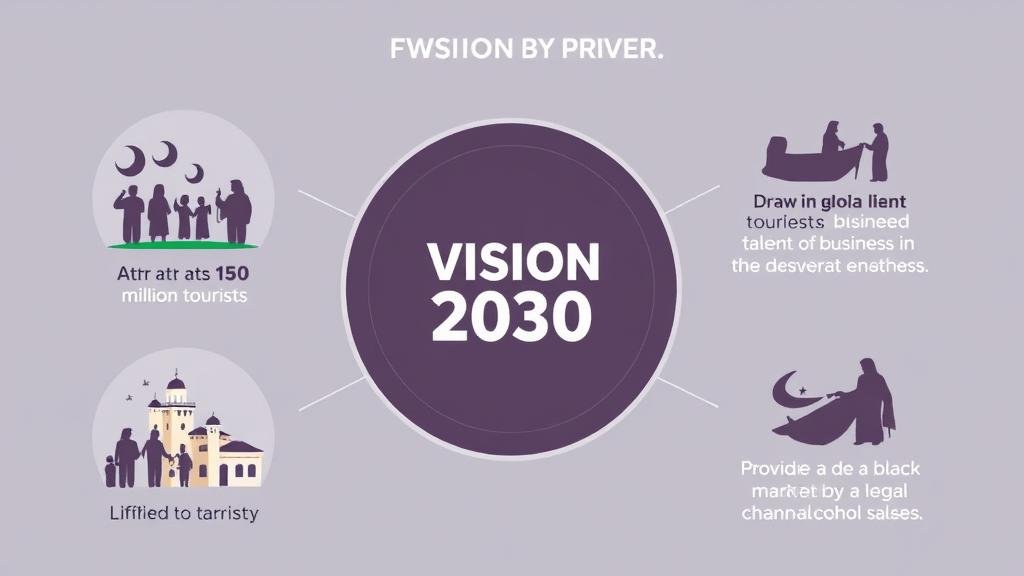
Economic and Social Drivers: The Vision 2030 Glow-Up
This policy shift is directly tied to Crown Prince Mohammed bin Salman’s Vision 2030, a transformative plan to modernize the Saudi economy. The primary drivers are clear:
- Boost Tourism: The Kingdom has a goal to attract 150 million tourists by 2030. To compete with regional hotspots like Dubai, providing regulated access to alcohol is a necessary step to create a more tourist-friendly environment.
- Attract Global Talent: To become a global business mecca, Saudi Arabia needs to attract top professionals from around the world. Allowing expats to buy alcohol makes the country a more attractive and competitive destination for international talent.
- Combat the Black Market: Prohibition fueled a dangerous black market for smuggled and illicitly brewed alcohol. Providing a legal, regulated channel enhances safety, allows for taxation, and undermines criminal enterprises.
A Carefully Managed Balancing Act
So, is the entire Kingdom about to become a party destination? The short answer is no. Officials have been clear that this limited alcohol licensing is strictly for non-Muslims. The core cultural and religious identity of the country remains unchanged.
This is a pragmatic solution aimed at a specific demographic, not a nationwide cultural shift. The registration and quota systems are designed to ensure the process remains orderly and controlled. It’s the ultimate balancing act: reap the economic benefits of global integration while respecting and preserving local traditions.
What to Expect Next
The new stores in Jeddah and Dhahran will likely operate with the same discretion as the one in Riyadh. Don’t expect flashy neon signs. This is a slow, methodical rollout focused on specific tourist zones and expat communities.
While you may not be ordering a cocktail at a public Red Sea resort just yet, that conversation is no longer unthinkable. For now, this remains a strategic play to build a modern economy while honoring a deep-seated heritage.