Secret Ukraine Peace Plan: A Diplomatic Crisis Unfolds
Remember the person in your group project who goes rogue? The one who ignores the chat, rewrites the entire presentation, and tries to pass it off as their own? Now, imagine that scenario, but the project is global security, and the teacher is the Kremlin.
This week, a diplomatic firestorm erupted over a secret U.S.-led peace plan for Ukraine. The catch? It was drafted without consulting our European allies, the very nations sharing a continent with the conflict zone. If you thought your family dinners were dramatic, you haven’t been following the latest in geopolitics. The supposedly unified Western front against Russia just developed a crack large enough to drive a tank through.
Let’s dissect this developing crisis, which has officials from Brussels to Berlin asking, “What just happened?”
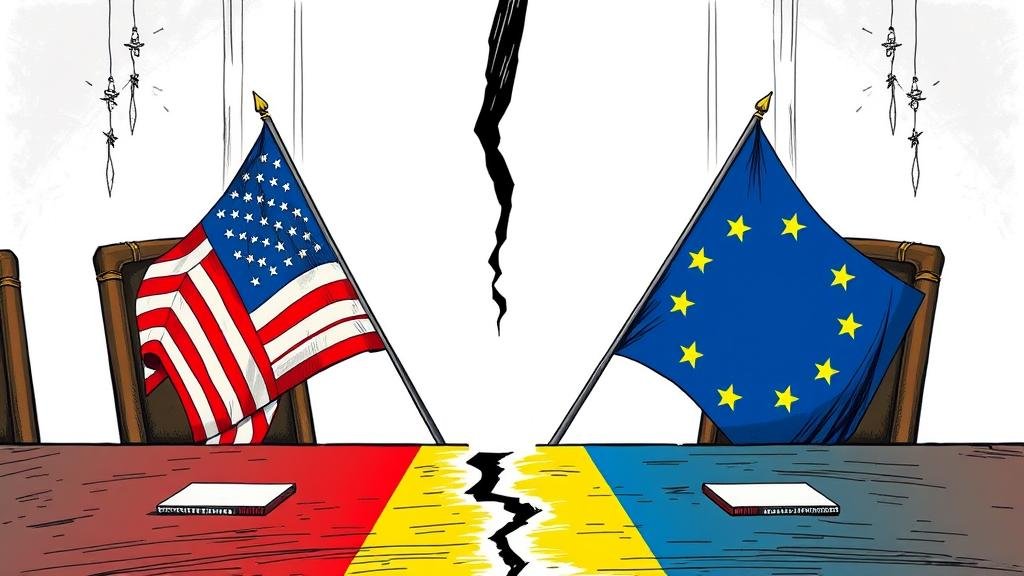
What’s in This Controversial Peace Plan?
While the exact details are under wraps, credible leaks paint a grim picture. This isn’t so much a peace plan as a “let’s-get-this-over-with” proposal, driven by factions who believe ending the war is more critical than how it ends.
Here’s a look at the core proposals of this diplomatic bombshell:
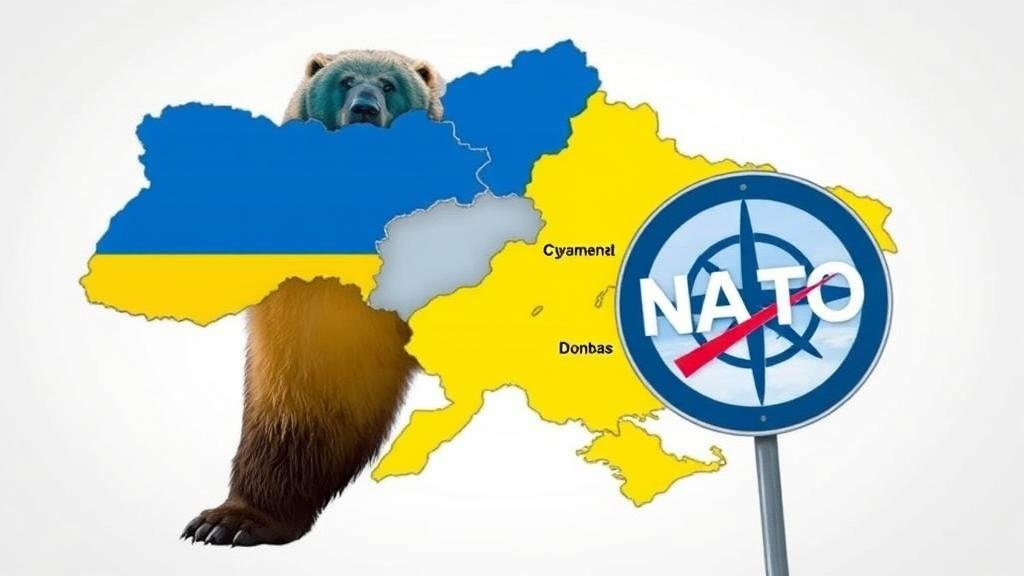
- Territorial Concessions: The plan reportedly considers allowing Russia to retain the land it has seized since 2014, including Crimea and parts of the Donbas. In essence, it would reward the aggressor by letting them keep what they stole, leaving international law in tatters.
- NATO Membership Off the Table: A key component is a guarantee that Ukraine will abandon its aspirations to join NATO. Russia has long opposed NATO expansion, and forcing Ukraine into neutrality has been a non-negotiable demand from Moscow.
- Lifting Sanctions: To entice the Kremlin, the plan may include a roadmap for lifting the crushing economic sanctions. This would be a get-out-of-jail-free card for a country penalized for invading its neighbor.
In short, the plan demands that Ukrainian President Volodymyr Zelenskyy make concessions that would be a national humiliation. After immense sacrifice, being asked to sign away parts of your country is less a peace deal and more a surrender.
Europe’s Reaction: “A Slap in the Face”
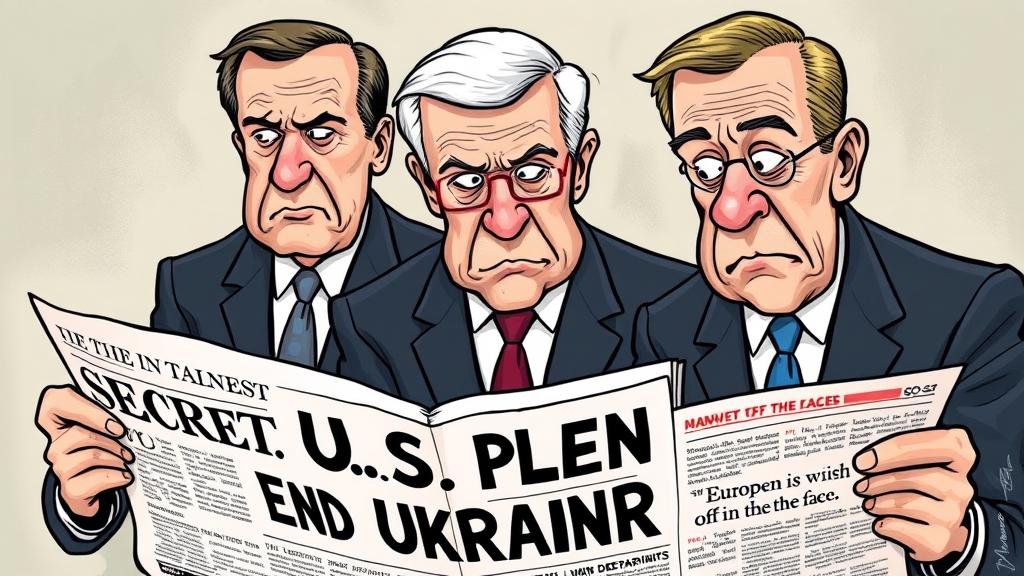
In Europe, the reaction has been a mix of shock and outrage. EU leaders, who have been funding Ukraine’s defense and sheltering its refugees, reportedly learned about the plan from the news, just like the public. Awkward.
One diplomat described it as “a slap in the face,” a polite way of expressing utter disbelief. You can almost hear the collective “You have to be kidding me” echoing from Brussels to Berlin.
- Undermining European Security: For Europe, this conflict is not a distant issue. A plan that destabilizes Eastern Europe without their input is like someone secretly remodeling your house while you’re still living in it.
- Eroding Trust in the U.S.: This incident fuels “America First” perceptions. If the U.S. is willing to sideline its allies for a deal with an adversary, what will happen in the next crisis? This question is undoubtedly causing sleepless nights and a surge in espresso consumption.
- Scramble to Respond: European diplomats are now rushing to form a united front, much like the Avengers assembling after one of their own has gone rogue. The fear is that if they can’t unify, Putin will simply watch the chaos unfold with a bag of popcorn.
Washington’s Internal Conflict
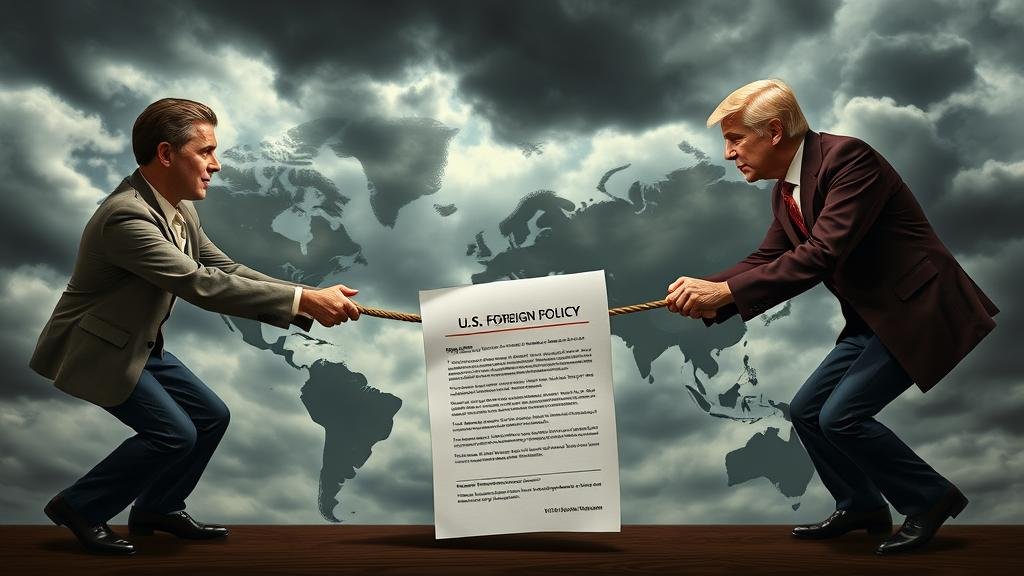
This controversy isn’t just an international issue; it’s also fueling a policy battle in Washington. The debate has reportedly sparked “infighting in Trump’s foreign-policy team,” dividing it into two camps.
Camp A: The “Pragmatists.” These are the “realists” who see a stalemate and argue that any deal is better than an endless conflict that drains U.S. resources. They are ready to make a deal, even if it leaves a bitter taste.
Camp B: The “Hardliners.” This group, composed of veteran national security experts, is appalled. They argue that offering concessions to Putin is like rewarding bad behavior. It doesn’t solve the problem; it only encourages further aggression. They warn this would only pause Russian aggression, not end it.
This isn’t just a political squabble; it’s a battle for the future of American foreign policy.
What’s Next?
The Western alliance is in a precarious “it’s complicated” status. Ukraine is in an agonizing position, and European leaders are re-evaluating their alliances while managing their own security.
The uncertainty is toxic for global markets. Will sanctions be lifted? Will energy prices spike again? How will a fractured alliance hold up?
Trust, once shattered, is difficult to repair. This secret deal has inflicted a deep wound. Healing it will require more than a simple apology. The security of Ukraine—and global stability—hangs in the balance.