Solar Flares and Your Flight: A Look at the Airbus A320 Advisory
The sun, our magnificent celestial powerhouse, has recently sent a ripple of concern through the aviation industry. A new advisory has airlines on alert, addressing a potential solar flare aviation risk that sounds like science fiction but is being handled with the utmost seriousness. This article unpacks what this means for the popular Airbus A320 family and your travel plans.
Understanding Solar Flares and Aviation
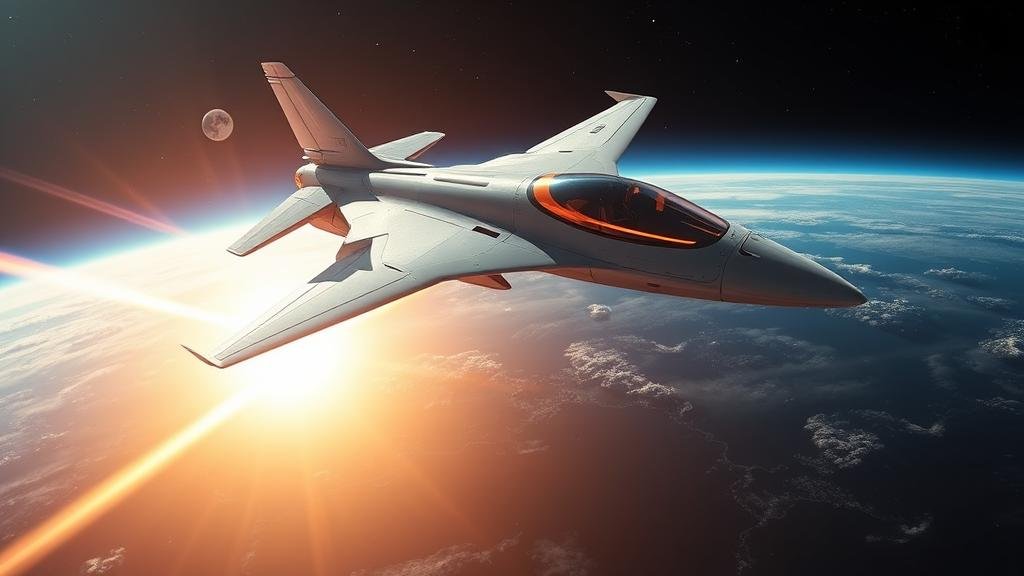
A solar flare is a massive eruption of energy and radiation from the sun. While Earth’s magnetic field protects us on the ground, aircraft at high altitudes are more exposed. Modern jets are sophisticated flying computers, and a significant solar event could interfere with their sensitive electronic systems. The concern is not about turbulence or Wi-Fi interruption, but the potential for space weather and aviation to intersect in a way that requires proactive safety measures.
A recent incident highlighted a specific Airbus A320 vulnerability. Intense solar radiation was found to have the potential to corrupt data in the flight control systems of the A320neo family (A319neo, A320neo, and A321neo). This could lead to a loss of control, though aviation experts emphasize the probability is exceedingly low.
Proactive Measures: The FAA and Airbus Response
In a move that underscores the industry’s commitment to safety, Airbus and the Federal Aviation Administration (FAA) have taken swift action. An emergency alert was sent to all airlines operating the A320neo series, followed by an FAA airworthiness directive. This directive mandates an airline software update to mitigate the identified risk.
Think of it as a critical software patch for an aircraft. This globally coordinated effort ensures that the vulnerability is addressed before it can pose a threat. The directive requires airlines to update their A320neo fleets, a process that involves taking each plane out of service for a few hours to be updated by certified technicians.
What This Means for Travelers
While the phrase “vulnerability in critical flight systems” may sound alarming, it’s crucial to understand the context. The aviation industry’s proactive and paranoid approach to safety is precisely why flying is one of the safest forms of travel. The rapid response to this solar flare aviation risk is a testament to that commitment.
So, is it still safe to fly? The answer is an unequivocal yes. The likelihood of a solar flare causing a critical issue is incredibly small, and the mandatory software update further reduces this risk to a negligible level. Flight safety and solar flares are being managed with the highest level of precaution.
Here are a few practical tips for travelers in the coming weeks:
- Stay informed about your flight status. Check for any delays or cancellations, which could be related to the mandated software updates.
- Allow for extra time. If possible, avoid booking tight connecting flights to give yourself a buffer.
- Communicate with your airline. If your flight is affected, the airline is your best source of information.
The Future of Aviation and Space Weather
This situation serves as a compelling reminder of our interconnectedness with the cosmos. As our technology becomes more advanced, our awareness of and preparation for space weather and aviation events must also evolve. The industry is already developing more resilient aircraft and improving its ability to forecast solar activity.
Ultimately, this is a story of a potential problem identified and a solution being implemented. It demonstrates the robustness of the aviation safety system. The sun will continue its celestial cycles, and thanks to the diligent work of experts, we can continue to travel the world safely.