America’s Diplomatic A-Team Is Being Benched—And It’s a National Security Risk
When a global crisis erupts, the call goes out for a hero—a diplomatic superstar, or “special envoy,” to parachute in and save the day. It’s a compelling narrative, but it’s dangerously flawed. This growing obsession with sidelining the U.S. State Department is a high-stakes gamble that threatens the coherence and strength of American foreign policy.

What Exactly Is a Special Envoy?
A special envoy is a diplomat hand-picked by the President for a specific, high-stakes mission. With a direct line to the White House, they can bypass the traditional channels of the State Department, offering a fast pass through the complexities of international affairs.
Proponents argue this laser focus is essential for tackling thorny global issues, from climate change to regional conflicts. Recent administrations have increasingly leaned on these envoys, valuing their star power and direct presidential access. However, this approach treats deep-seated geopolitical problems like a PR issue, solvable by one brilliant personality. The long-term consequences are proving to be severe.
The Hidden Costs of “Hollywood” Diplomacy
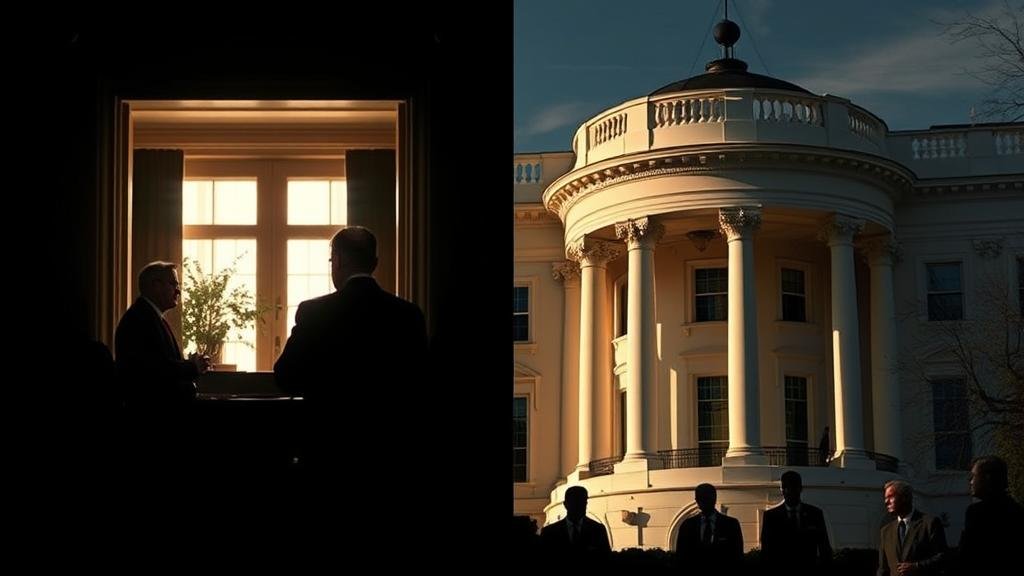
This reliance on envoys creates a “shadow” foreign policy, operating in parallel to the State Department. This parallel structure introduces significant risks.
1. The Erosion of Expertise
The State Department is the institutional memory of U.S. foreign policy. It is filled with career diplomats who have dedicated decades to mastering languages, cultures, and relationships that are impossible to replicate with a quick briefing. Parachuting an envoy into a crisis without this deep contextual knowledge is a recipe for error. In critical regions, where history is the entire story, this approach results in a foreign policy analysis shaped by one person’s potential blind spots, not by decades of institutional wisdom.
2. Demoralizing the Experts
When our most experienced diplomats are consistently bypassed, it sends a clear message: their expertise isn’t valued. This “brain drain” is a critical threat to our national security. As talented professionals leave for the private sector, our foreign service becomes less experienced, less knowledgeable, and less prepared to handle the next international crisis. We are voluntarily benching our A-team.
3. Creating Policy Chaos
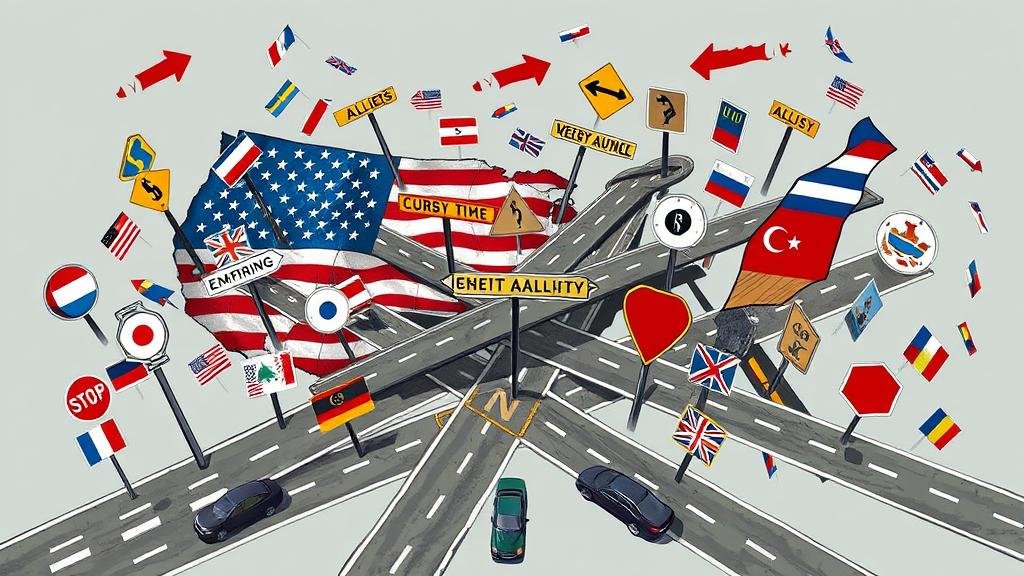
With multiple envoys pursuing different missions, often with conflicting priorities, who speaks for America? Allies and adversaries are left confused, trying to decipher America’s true position from a flurry of mixed messages. A coherent U.S. foreign policy requires a single quarterback, and that role belongs to the State Department. This fragmented approach undermines American credibility and weakens our position on the world stage.
4. Lack of Accountability
Operating with a direct line to the President, special envoys often function with minimal oversight. Their negotiations and decisions don’t always undergo the rigorous vetting process that governs official State Department communications. This lack of transparency is troubling for a democracy, creating a foreign policy that appears to be driven by personality rather than a deliberate and accountable national strategy.

The Path Forward: Reinvesting in Our Diplomatic Corps
Special envoys can be a valuable tool when used strategically and as part of a coordinated team. They should be the exception, not the rule. The smarter path forward is to empower the institution we already have.
- Invest in our diplomats: Providing the resources and support for our diplomatic corps is a cost-effective investment in national security.
- Empower the Secretary of State: The Secretary must be the President’s principal advisor on foreign policy, ensuring a unified strategy.
- Use envoys strategically: Deploy them with clear, limited mandates and ensure they work in lockstep with our embassies and the broader State Department team.
The Bottom Line
Chasing the short-term glamour of a “quick win” through a special envoy comes at the long-term cost of hollowing out the very institution designed for sustained diplomatic engagement. A strong, empowered State Department isn’t a bureaucratic luxury—it is a core national security asset. It’s time to reinvest in our home team and ensure American foreign policy is guided by a smart, long-term strategy, not just the crisis of the week. The price of a weakened diplomatic corps is a less secure America, and that’s a debt we cannot afford.