Strategic Ambiguity: How US Foreign Policy Confusion Erodes Trust and Paralyzes Global Action
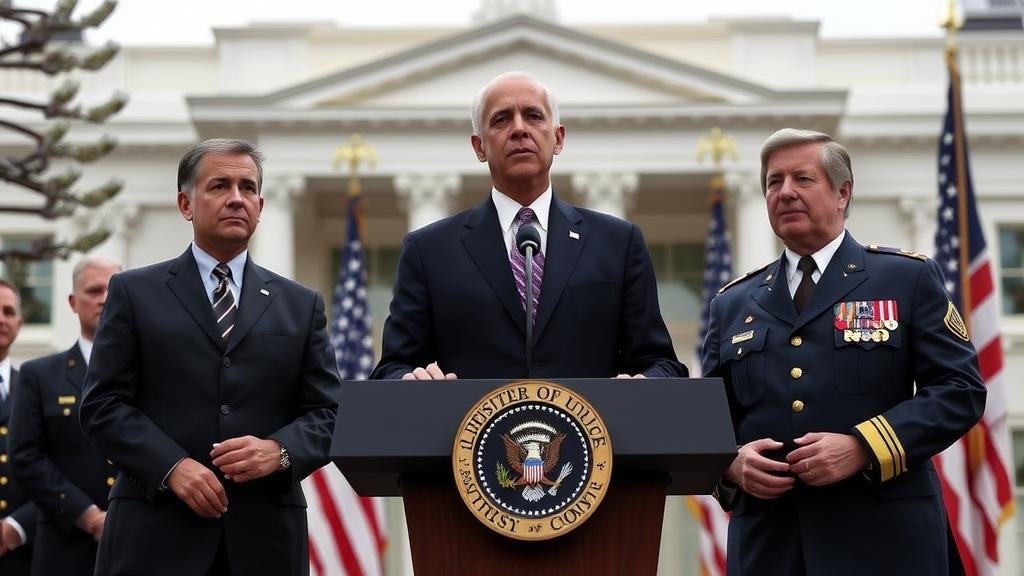
The Roots of Ambiguity: A Disconnect in Washington
Understanding U.S. foreign policy today can feel like navigating a maze with no map. Mixed signals from the White House, the State Department, and the Pentagon create a confusing narrative, leaving allies and adversaries alike questioning America’s direction. This policy of “strategic ambiguity” may sound sophisticated, but it’s causing a crisis of confidence on the world stage. Instead of projecting strength, it fosters uncertainty, making it difficult for other nations to formulate effective responses and undermining trust in international relations.
The Impact on Allies: A Crisis of Confidence
The fallout from this inconsistent approach is a growing crisis of confidence among key U.S. allies. In Europe, confusion reigns over the future of Ukraine, with contradictory statements from senior U.S. officials sowing discord. This lack of clarity isn’t limited to Europe. In Asia, allies are struggling to decipher Washington’s stance on China, which vacillates between confrontation and cooperation. This forces regional powers to hedge their bets, a dangerous game in a volatile geopolitical landscape. For allies, this isn’t just an inconvenience; it’s a strategic nightmare that diverts resources from solving critical global issues.
The Stakes: A Critical Phase of Negotiations
This crisis of leadership couldn’t come at a worse time. The world is on the cusp of major negotiations on everything from climate change and trade to nuclear non-proliferation. The success of these talks hinges on a unified front led by the United States. However, when allies are unsure of where America stands, they are less likely to commit to a shared strategy. This division and hesitation create a fractured response when a united front is most needed. Precious time and diplomatic capital are wasted on deciphering American intentions, rather than tackling the urgent issues at hand. The risk of failure in these critical negotiations increases exponentially with each mixed message.
The Path Forward: Restoring Trust and Credibility
To fix this, Washington must take decisive action. First, it needs to get its own house in order. The White House, State Department, and Pentagon must speak with a single, coherent voice. This requires internal alignment and a commitment to a unified foreign policy. Second, the U.S. must recommit to its role as a genuine partner. This means fostering open communication, being transparent about its intentions, and abandoning the confusing “strategic ambiguity” that has alienated its allies. Finally, Washington should reinvest in multilateral institutions like the UN and WTO. By working through these established frameworks, the U.S. can demonstrate its commitment to a rules-based international order and rebuild the trust and credibility it has lost.