The Power of Habit: How Small Changes Can Make a Big Difference
Our lives are the sum of our habits. Whether we realize it or not, these automatic behaviors shape our days, influence our health, and ultimately determine our success. Understanding the mechanics of habit formation is the first step toward making meaningful, lasting change.

The Science of Habit: The Cue-Routine-Reward Loop
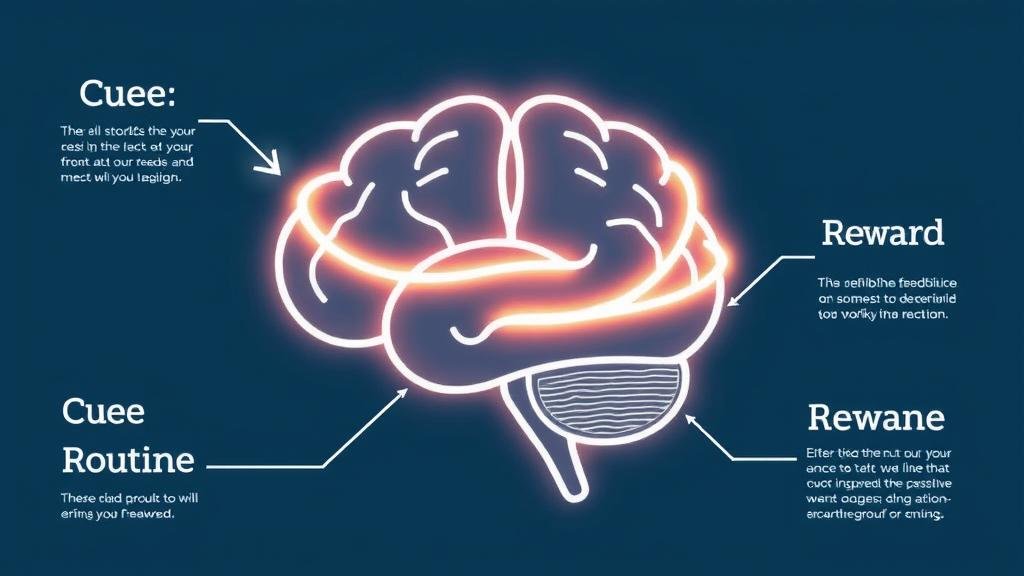
At the heart of every habit is a simple neurological loop that consists of three parts: a cue, a routine, and a reward. The cue is a trigger that tells your brain to go into automatic mode. The routine is the behavior itself. The reward is the positive feedback that tells your brain this loop is worth remembering for the future. For example, feeling tired in the afternoon (cue) might lead you to grab a sugary coffee (routine), resulting in a burst of energy (reward).
How to Build Better Habits: Start Small

To build a new, positive habit, you can engineer this loop to your advantage. Start incredibly small. Instead of committing to a one-hour workout, just commit to putting on your workout clothes. This ‘atomic habit’ lowers the barrier to entry and makes it easier to be consistent. Pair this new routine with a clear cue (like your morning alarm) and a satisfying reward (like listening to your favorite podcast). Consistency is far more important than intensity when you’re starting out.
Re-engineering the Loop: How to Break Bad Habits
Breaking a bad habit, on the other hand, is less about resisting temptation and more about re-engineering the loop. It’s difficult to simply eliminate a bad habit, so focus on changing the routine. Identify the cue that triggers the bad habit and the reward you’re seeking. Then, find a new, more positive routine that provides a similar reward. If stress (cue) leads you to smoke (routine) for a feeling of relief (reward), try replacing the cigarette with a five-minute breathing exercise that provides the same sense of calm.
Habits as Identity: The Compound Effect
By consciously designing your habit loops, you’re not just changing your behaviors; you’re redesigning your identity. Each small action reinforces the type of person you want to become. It’s the compound effect of these tiny, daily improvements that leads to remarkable transformation over time.