Trump’s Major Shift in the US-China Tech War: A 25% Tax on AI Chips
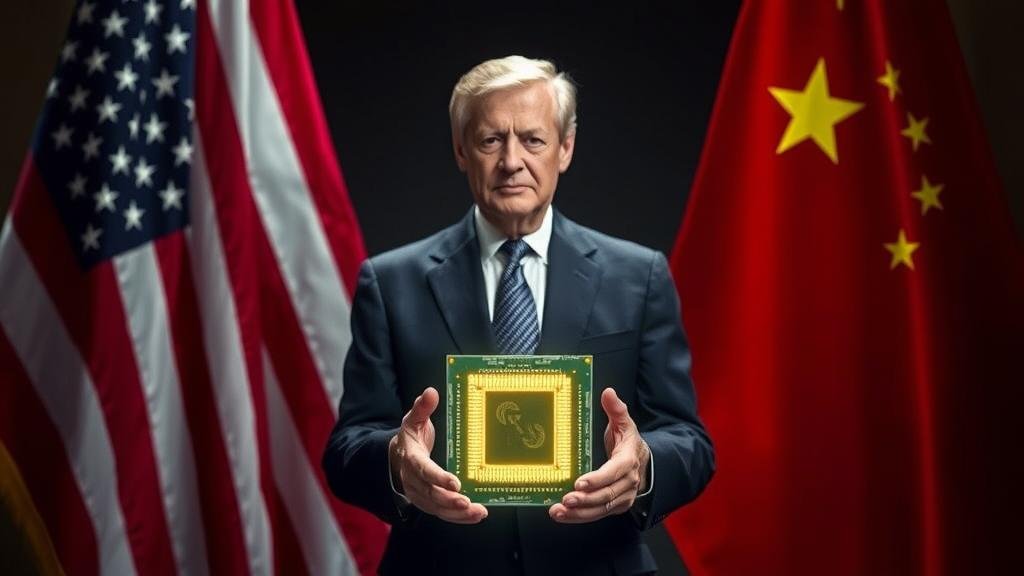
A New Chip in the Game: Trump Signals Major Shift on AI Chip Export Controls
Hold onto your silicon, because former President Donald Trump has proposed a policy that’s shaking up the US-China tech war. In a stunning reversal, he signaled that semiconductor giants like Nvidia could resume selling high-end AI chips to China. The catch? The United States would take a 25% cut of all sales.
This is a U-turn so sharp it could cause whiplash. For years, the core of US tech policy has been to restrict China’s access to our most powerful technology. Now, the thinking seems to be shifting from a chip ban to a “pay-to-play” model. This move is sending shockwaves through the tech world, suggesting the new frontline of the trade war isn’t about restrictions, but transactions.
The End of Export Controls? What Was Said
Previously, US export controls acted like a strict parent, telling companies like Nvidia, Intel, and AMD they couldn’t sell their most powerful toys to China. The goal was simple: prevent Beijing from using American tech to modernize its military and build a surveillance state. This forced chipmakers to create less powerful “export-grade” chips for the Chinese market, impacting their revenue.
According to a Financial Times report, Trump’s plan would rewrite the rulebook.
“If they want to buy our chips, they’re going to pay a 25% tax,” he stated, clarifying that this rule would apply across the board.
This isn’t just a minor policy adjustment; it’s a fundamental change in strategy. The focus of the US-China tech war would pivot from strategic denial to a high-stakes, transactional relationship. The message is no longer “You can’t have our tech,” but rather “You can, but it will cost you dearly.”
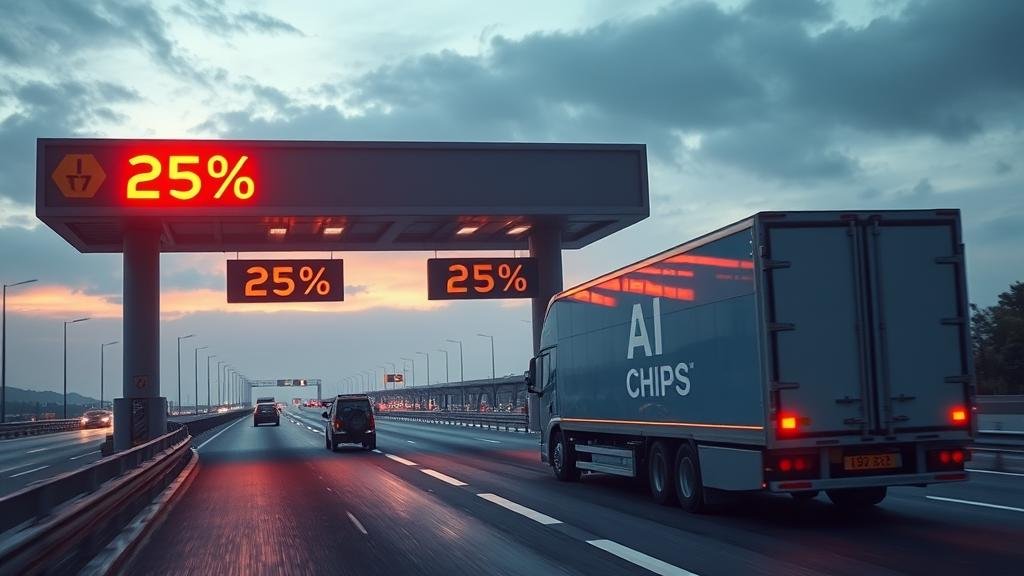
A New “Tech Tollbooth”: How Would the 25% Cut Work?
This 25% “tech toll” is the centerpiece of the proposal. It’s less like a traditional tariff and more like a direct royalty paid to the U.S. for the privilege of accessing American innovation. But the logistics are incredibly complex.
A few questions immediately come to mind:
- How would the fee be collected? This would introduce a massive accounting challenge for semiconductor companies and federal agencies.
- Is it legal? A targeted, revenue-based export fee could face significant legal challenges from international bodies like the World Trade Organization.
- Where would the money go? Would it fund general government spending or be reinvested into programs like the CHIPS Act to boost domestic chip manufacturing?
This transactional approach is classic Trump, but its implementation would be a bureaucratic maze. It treats American innovation as a commodity to be leased, with the White House collecting the fee.
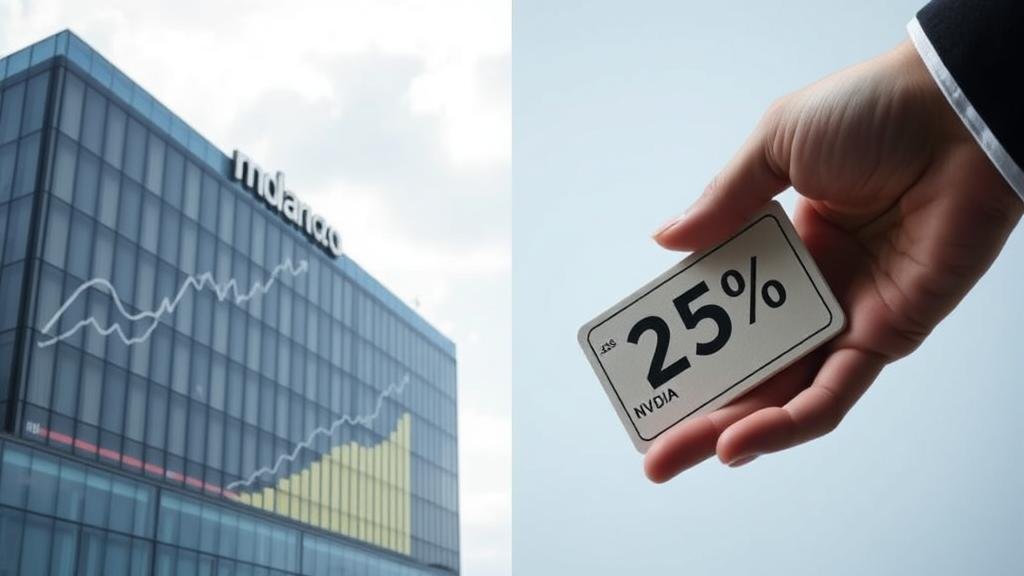
Impact on Semiconductor Giants
For companies like Nvidia, this policy is a double-edged sword. On one hand, regaining unrestricted access to the massive Chinese market for AI chips would unlock a torrent of revenue. The demand in China is insatiable.
On the other hand, a 25% fee is a major financial hit. Let’s do some quick math:
- If Nvidia sells $10 billion in advanced AI chips to China.
- A staggering $2.5 billion of that revenue goes directly to the U.S. government.
While total sales would increase, profit margins would shrink, creating a “more money, more problems” scenario that makes investors nervous. This kind of policy uncertainty, where rates could change with political winds, is exactly what rattles the market and disrupts the global supply chain.
Geopolitical Ramifications and China’s Reaction
This is where the international drama intensifies. While the policy loosens the tech chokehold, Beijing would likely find paying a direct tax to a rival for critical technology diplomatically insulting.
What Is China’s reaction likely to be? Will they pay the price to fuel their AI ambitions, seeing it as a temporary cost of doing business? Or will they accelerate their efforts to achieve technological self-sufficiency?
Most experts believe China’s ultimate goal is to eliminate its reliance on Western tech. They are already investing billions in their own semiconductor industry. This tax could be the final push they need to double down on building a completely independent tech ecosystem, potentially weakening the long-term global position of US tech.
What This Means for the Future of Tech and Trade
If implemented, this policy would transform American tech into a rental service for global powers. The long-term fallout could be significant:
- A Fragmented Tech World: Other nations might adopt similar “tech tolls,” creating a chaotic global web of fees and complicating the supply chain.
- Accelerated Self-Sufficiency: The policy could incentivize countries like China to wall off their tech ecosystems, ultimately leaving US companies out.
- Increased Market Uncertainty: Semiconductor giants would have to navigate a landscape where political decisions, not market demand, dictate business strategy.
For now, this remains a bold proposal. But it offers a glimpse into a future where the US-China tech war is fought not with bans, but with invoices, fundamentally changing the nature of tech and trade.