Trump’s New Immigration Policy: A “Permanent Pause” on Migration and Its Consequences
The Trump administration has announced a sweeping new immigration policy, promising a “permanent pause” on migration from certain countries. This follows a tragic attack in Washington D.C., and the move is set to reignite the debate over US immigration policy. For immigrant communities, it’s a time of uncertainty, while for the nation, it signals a significant shift in immigration law. This isn’t just another policy change; it’s a dramatic escalation with far-reaching consequences.

An Unprecedented Expansion of Immigration Restrictions
This new policy echoes the “travel ban” of Trump’s first term, but with a significant expansion. The previous executive order faced numerous legal challenges, and this new iteration is expected to follow a similar path. Critics argue that a broad-based “permanent pause” on migration unfairly penalizes entire nations for the actions of an individual. What makes this policy different is its scope. It’s not just about illegal immigration; it’s a direct challenge to legal immigration pathways. This includes potential impacts on asylum seekers and family-based immigration, marking a significant shift in US immigration policy. The term “permanent pause” itself suggests a move with potentially vast and lasting consequences for the future of immigration to the United States.

National Security vs. Civil Liberties: The Core of the Debate
The Trump administration justifies the “permanent pause” on migration as a necessary measure to enhance national security and prevent future attacks. Supporters of the policy argue that the current immigration system has vulnerabilities that need to be addressed urgently. On the other hand, opponents view this as a reactionary policy that fuels fear without improving public safety. They contend that the vast majority of immigrants are law-abiding individuals seeking a better life. Civil rights and advocacy groups have strongly condemned the move, arguing that it is discriminatory and not based on evidence. They are prepared to litigate against what they see as a violation of fundamental rights.
The Economic and Social Fallout of Restrictive Immigration Policies
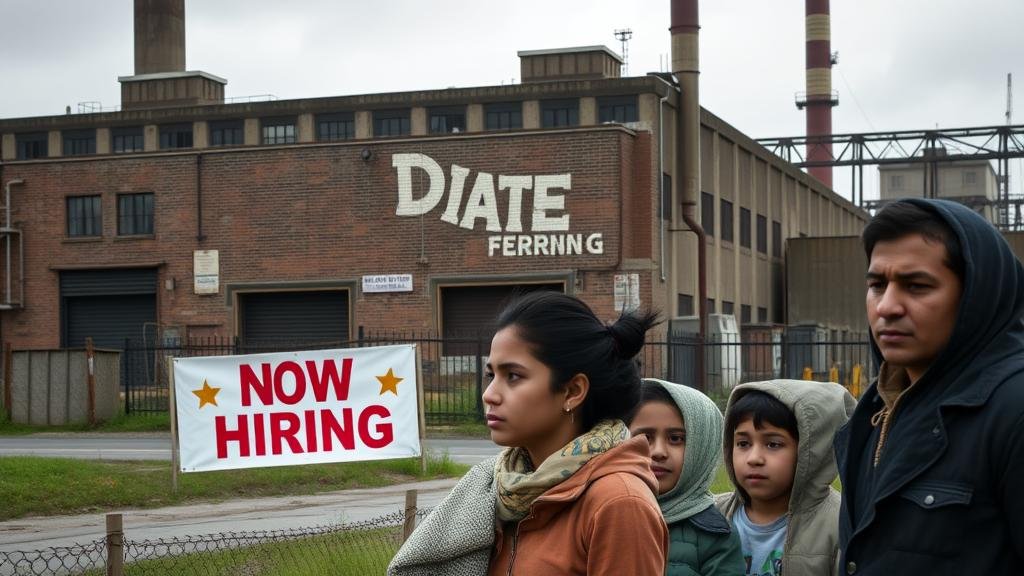
Beyond the political and legal battles, this new immigration policy has significant economic and social implications. The economic impact of immigration is substantial, with immigrants playing a crucial role in the US labor market across various sectors. A sudden halt to immigration could disrupt the workforce and negatively affect economic growth. The US economy has historically relied on immigrant labor to fill critical gaps. Socially, such a policy can deepen national divisions. The “us versus them” rhetoric can create a climate of fear and hostility towards immigrant communities, undermining social cohesion. This not only affects immigrants but also the broader fabric of American society.

The Future of US Immigration Policy: What to Expect
The coming weeks will likely see a flurry of legal challenges and intense political debate. The core of the issue is the extent of presidential authority over immigration versus constitutional protections. This new policy will undoubtedly energize supporters of stricter immigration control while also galvanizing opposition from those who view it as discriminatory and contrary to American values. The future of US immigration policy hangs in the balance, with the outcome of this struggle set to have long-lasting effects on the country’s social, economic, and political landscape.