Trump, Putin, and a Real Estate Mogul: The Backchannel Diplomacy to End the Ukraine War
A real estate developer walks into the Kremlin… and it’s not a joke. In a stunning example of backchannel diplomacy, Vladimir Putin held a five-hour meeting with Steve Witkoff, a New York real estate mogul and associate of Donald Trump. This wasn’t a casual chat; it was a potential move on the geopolitical chess board, a covert attempt to hash out a Trump-Putin peace plan to end the war in Ukraine.
Who is Steve Witkoff and Why the Secret Mission?
Steve Witkoff, head of the Witkoff Group, is a known figure in Trump’s inner circle. His presence in Moscow is a classic example of Trump’s foreign policy style: bypass official channels and send a trusted business ally. But he wasn’t alone. Jared Kushner, Trump’s son-in-law and architect of the Abraham Accords, was also involved, signaling a serious effort to create a framework for peace.
A Five-Hour Meeting: Breakthrough or Bust?
The Kremlin called the meeting “productive,” a word that offers little clarity. Was it a genuine step towards peace or a calculated Russia’s power play? Western media suggested the peace push fizzled, but the truth may be more complex. In high-stakes negotiations, a “productive” meeting can simply mean opening a line of communication, not signing a final deal.
The Global Reaction: A High-Stakes Game
This secret meeting has sent shockwaves through the world of global politics. For the NATO alliance, it’s a worrying development, suggesting a potential U.S. pivot away from the current strategy of isolating Russia. For Kyiv and President Zelensky, the idea of a deal being brokered without their involvement is a nightmare scenario. European leaders are also on edge, as a separate U.S.-Russia peace track could undermine their united front.
The Economic Impact: What This Means for Your Wallet
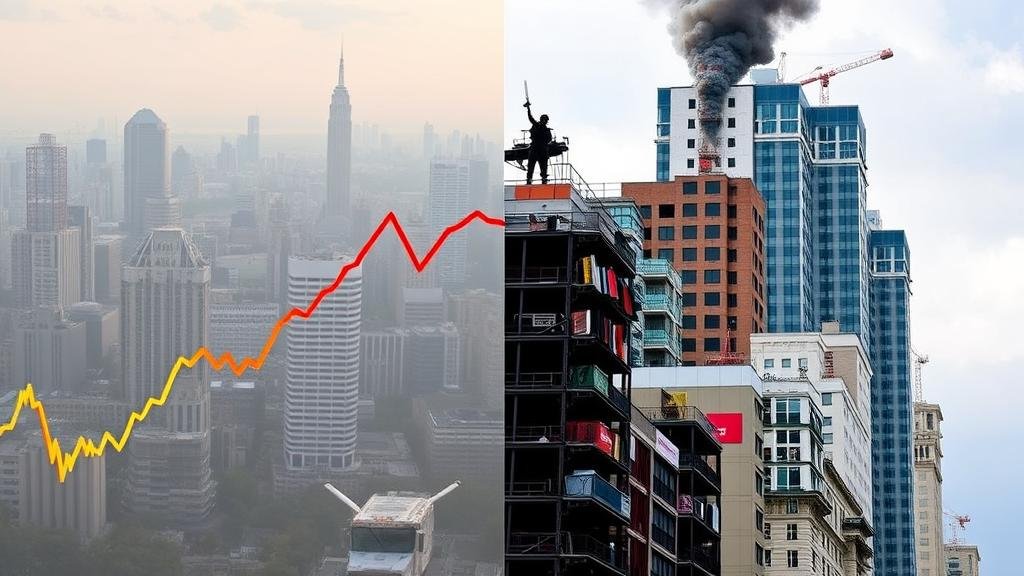
The economic impact of the Ukraine war has been felt globally, and a potential peace deal could have massive consequences.
- Energy Markets: A resolution could lead to a drop in oil and gas prices.
- Defense Industry: Peace could mean a downturn for defense stocks, which have soared during the conflict.
- Inflation & Supply Chains: An end to the war could ease inflation and stabilize supply chains.
- Rebuilding Ukraine: The reconstruction of Ukraine will be a monumental task, and the terms of any peace deal will determine who foots the bill.
This audacious instance of backchannel diplomacy is a clear sign that a potential second Trump term would bring a whole new approach to the Ukraine war. Whether it leads to a lasting peace or further chaos remains to be seen, but the world is watching.