Trump’s 28-Point Ultimatum: A Contentious Ukraine Peace Plan
Imagine a geopolitical dinner party. The US, as a guest, suddenly proposes a new recipe for the host’s (Ukraine’s) signature dish and declares, “Either you make it my way, or I’m taking my artisanal cheese plate and leaving.”
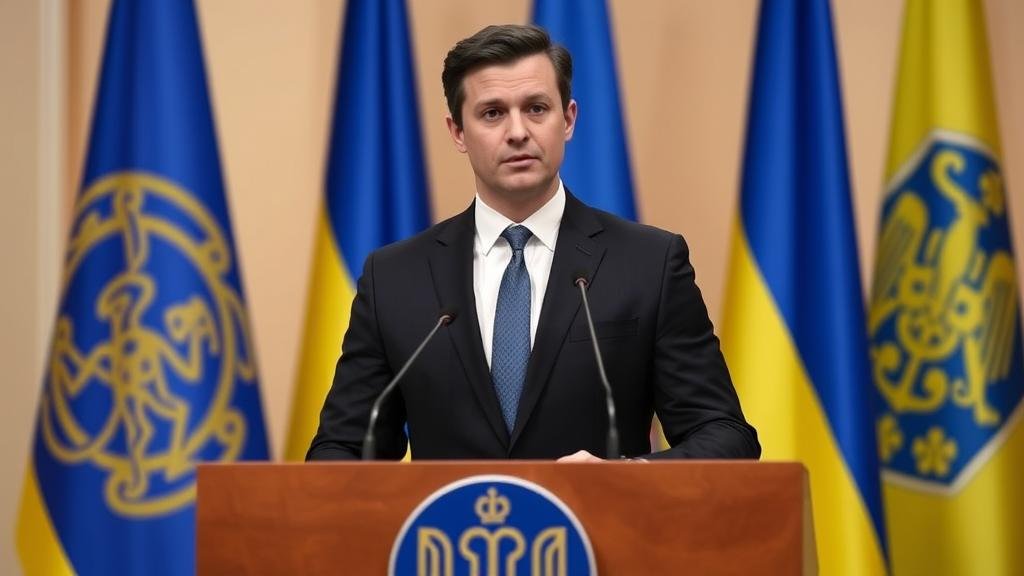
A Tense Ultimatum in Kyiv: US Hardline Stance on Russia Peace Plan Rattles European Allies
That’s the tense situation in Kyiv right now, where Trump’s Ukraine peace plan has been delivered as a “take it or leave it” ultimatum, shaking the foundations of international alliances. Let’s break down this high-stakes diplomatic standoff.
The 28-Point Ultimatum: What’s in the US-Russia Peace Plan?
US envoys have presented a 28-point plan aimed at ending the war, but the details are causing more anxiety than excitement. Here’s the lowdown on the key proposals:
- Immediate Ceasefire: The plan starts with a call for both sides to halt hostilities and establish a demilitarized zone.
- Political Roadmap: It outlines a path to a political settlement, which could involve Ukraine committing to neutrality—a significant policy shift.
- Territorial Ambiguity: The plan is notably vague about the territories currently occupied by Russia, hinting at the possibility of land-for-peace concessions.
- New ‘Security Guarantees’: The US is offering Ukraine new security assurances, but these fall short of the full NATO membership that Kyiv has been seeking.
This aggressive approach marks a sharp departure from the previous “nothing about Ukraine without Ukraine” policy. If Kyiv doesn’t accept the terms, the US has threatened to cut off intelligence sharing and military aid, leaving Ukraine in a vulnerable position.
Alarm Bells Ringing in European Capitals
America’s European allies are in an uproar over the unilateral nature of this proposal. The main points of contention include:
- Sidestepping Ukraine: The plan was imposed on Ukraine, not developed in consultation with its leaders.
- Risking Western Unity: This move threatens to fracture the united front the West has maintained against Russian aggression, which has been a cornerstone of their strategy.
- Setting a Dangerous Precedent: Forcing Ukraine to cede territory could be interpreted as rewarding aggression, sending a dangerous message to autocratic leaders worldwide.
- Eroding Trust: The sentiment among European diplomats is one of disappointment and betrayal.
“This is not how allies treat each other.”
Ukraine’s Defiant Rejection
President Zelenskyy‘s government has firmly rejected the most contentious elements of the plan. For Kyiv, the following principles are non-negotiable:
- Sovereignty and Territorial Integrity: Ukraine insists that its borders are not up for negotiation.
- The Right to Self-Determination: The Ukrainian people have fought for their right to decide their own future, and they will not accept a plan that dictates terms to them.
- Justice and Accountability: True peace, in Ukraine’s view, requires holding Russia accountable for war crimes and reparations, which this plan seems to overlook.
Any Ukrainian leader who accepted these terms would face certain political backlash.

The Geopolitical Chessboard: What Now?
The world is now watching to see how this geopolitical chess match unfolds. Here are a few potential scenarios:
- Scenario 1: The Staredown. Ukraine continues to reject the plan, the US follows through on its threats, and the transatlantic alliance descends into crisis.
- Scenario 2: The Diplomatic Walk-Back. Faced with intense backlash from Kyiv and its European allies, the US reconsiders its approach and returns to the negotiating table.
- Scenario 3: A High-Stakes Bluff. The ultimatum could be a risky negotiating tactic designed to force all parties toward a resolution.
While the desire for peace is universal, this plan feels like a shortcut that could lead to a more unstable future. As the deadline approaches, the decisions made in the coming days will have far-reaching consequences for Ukraine, the Western alliance, and the global order.