Trump’s Unofficial Peace Mission: High Stakes in Moscow and Kyiv
Let’s talk about secret peace talks. It sounds less like a G7 summit and more like passing notes in class, but with global security at stake.
In the latest episode of Geopolitics: The Reality Show, a special envoy sent by Donald J. Trump is set to brief Kyiv’s top officials after a meeting in the Kremlin. The talks, aimed at exploring an end to the war in Ukraine, have sent shockwaves through the diplomatic community, sparking both hope and skepticism.
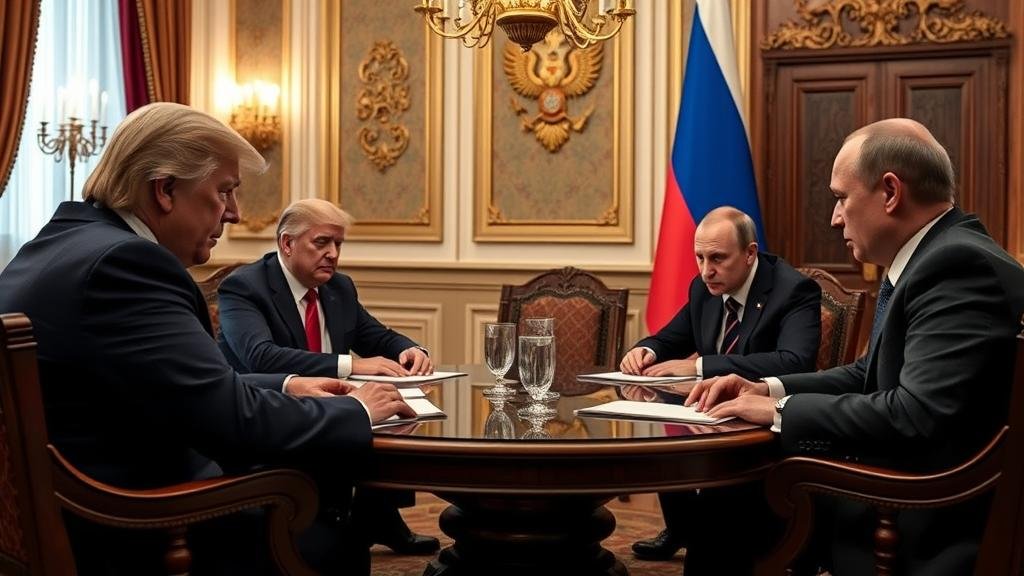
The delegation included real estate developer Steve Witkoff and Jared Kushner, a former Senior White House Advisor. They spent four hours with Vladimir Putin, a meeting Trump described as “reasonably good”—the political equivalent of a lukewarm blind date. Now, the delegation heads to Kyiv, where Ukrainian officials await details of these clandestine discussions.
The Moscow Meeting: A High-Stakes Gamble
This wasn’t an official U.S. delegation. Witkoff and Kushner traveled to Moscow on behalf of a presidential candidate, not the current president. The goal was to gauge Russia’s interest in a deal. A four-hour meeting with Putin suggests this was more than a casual chat.
While the specifics of the “peace plan” remain under wraps, it’s likely tied to Trump’s campaign promise to end the war in 24 hours—a bold claim, to say the least.
The key players:
- Steve Witkoff: A billionaire real estate developer and friend of Trump.
- Jared Kushner: The former Senior Advisor who brokered the Abraham Accords.
- Vladimir Putin: The Russian President, keeping his options open ahead of the U.S. election.
Trump has admitted there was no “breakthrough,” and the Kremlin has remained silent. The result is a lot of talk, a lot of jet fuel, and a massive question mark.
The Critical Briefing in Kyiv: “We Had a Chat About You”
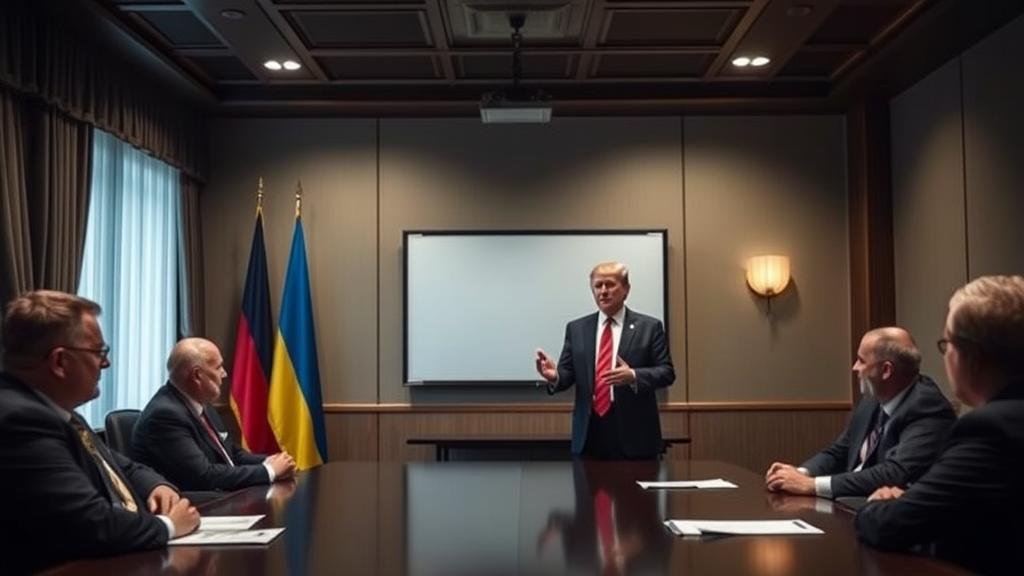
Now for the awkward part. Steve Witkoff is heading to Kyiv to debrief the Ukrainians on the Moscow talks. The timing is delicate, to say the least.
President Zelenskyy has been clear: peace talks begin when Russian troops leave all of Ukraine, including Crimea. Any “land for peace” deal is a non-starter for Kyiv.
The unofficial nature of these talks raises questions. Would a deal hold if Trump doesn’t win the election? How does it align with current U.S. policy? Ukrainian officials are approaching this with caution, wary of a process that could weaken their position.
Potential Fallout and The Road Ahead
What does all this mean?
- A Pivot in U.S. Policy? If Trump wins, these talks could become the new blueprint, likely leading to reduced military aid and increased pressure on Kyiv to negotiate.
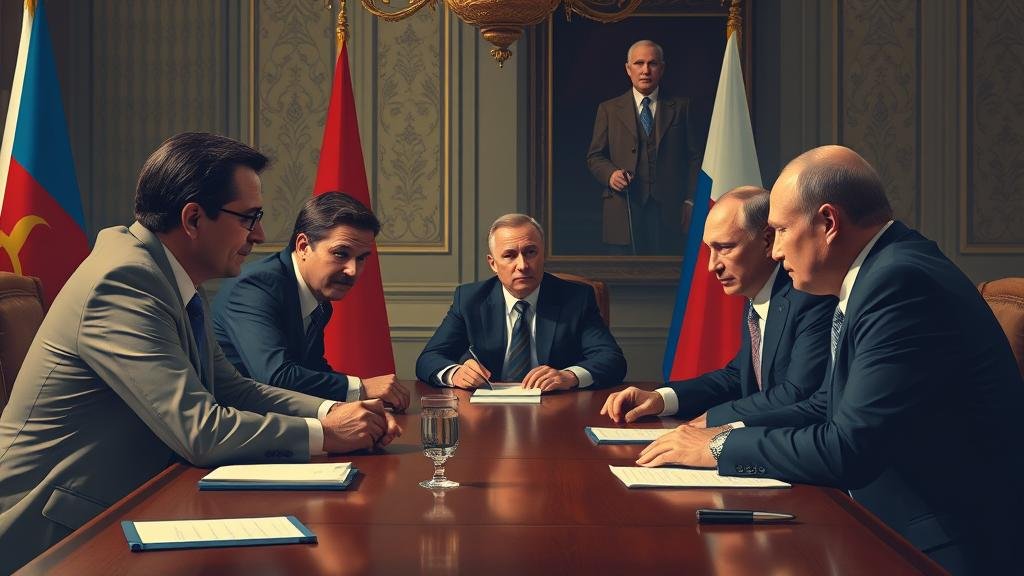
- Awkward Alliances: A unilateral American peace plan could create friction with NATO allies. Division among allies is a strategic win for Putin.
- Leverage for Putin: For the Kremlin, this is a win, regardless of the outcome. It portrays Putin as open to diplomacy and creates discord in the West.
- Frontline Jitters: The mere possibility of a peace deal or a shift in U.S. support can impact morale and military planning for both sides.
Where Do We Go From Here?
To sum up: Trump’s associates went to Moscow, had a long meeting with Putin, and are now in Kyiv to explain it all. Is this a brilliant, unconventional path to peace or a politically motivated gamble that could compromise Ukrainian sovereignty?
The stakes are incredibly high, with millions of lives and a continent’s security on the line. This latest development adds another layer of complexity to an already tense situation. All eyes are on Kyiv.