The Great Disconnect: Why UK Politics is Ignoring the Reality of the Cost of Living Crisis
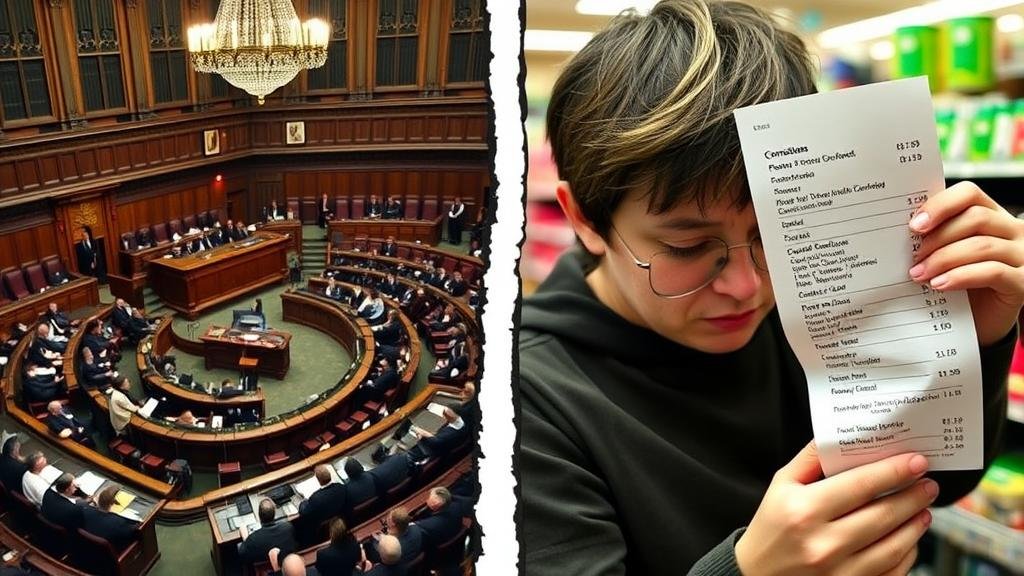
A significant disconnect has emerged in British politics. This isn’t a minor disagreement; it’s a chasm between the commentary of some political thinkers and the lived economic reality of the average Briton. While one side debates ideology, the other grapples with why the cost of weekly groceries now rivals a monthly utility bill. This is the UK’s political disconnect.
From the ongoing fallout of the Brexit impact to debates over lockdown measures and a new panic over falling birth rates, the conversation from certain political circles feels increasingly detached. This is more than a simple difference of opinion. When political discourse becomes unmoored from the real-world challenges people face—a core component of the cost of living crisis—it is the public that ultimately pays the price.
The Brexit Impact: Economic Reality vs. Ideological Victory
The promise of Brexit was a revitalized, prosperous “Global Britain.” The sales pitch included booming trade, reduced bureaucracy, and a flourishing UK economy.
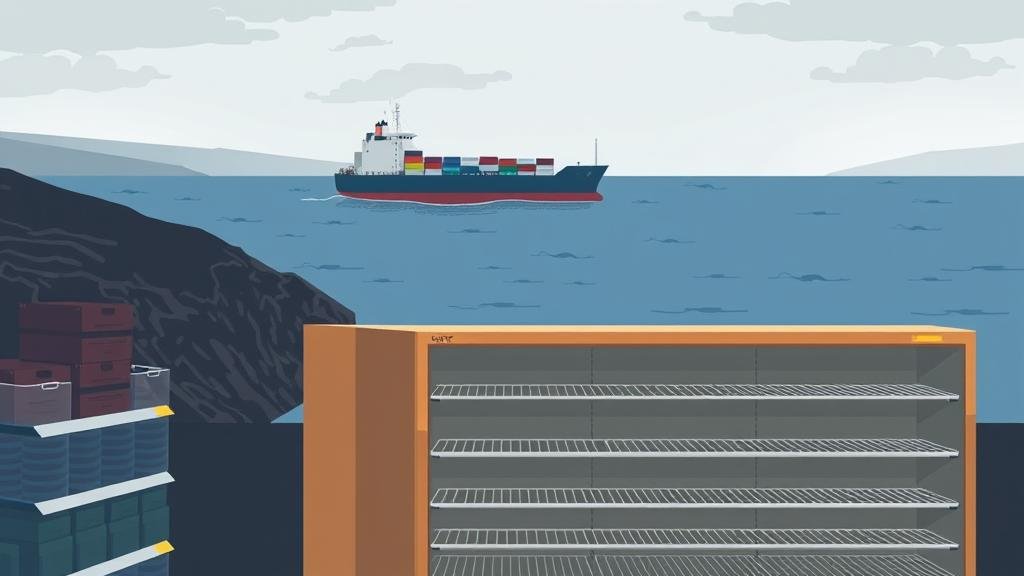
Today, public opinion paints a different picture. A clear majority of Britons now view Brexit as having fallen short of its promises, with a significant portion of Leave voters expressing regret. This sentiment isn’t driven by complex economic modeling but by tangible, everyday experiences: rising prices at the supermarket, noticeable gaps on shelves, and persistent labor shortages.
However, within some right-leaning commentary, acknowledging these economic headwinds is often dismissed. The narrative remains fixed on celebrating an ideological victory, while the real-world financial struggles are cast as “Project Fear” or temporary turbulence. This insistence that all is well, while small businesses contend with new trade barriers and households see their budgets squeezed, exacerbates the sense of a leadership completely out of touch with the country’s economic conditions.

Public Health vs. Personal Freedom: The Lockdown Debate
The COVID-19 lockdowns, while difficult for everyone, were broadly supported by a public that prioritized protecting the NHS and vulnerable citizens. The national sentiment was one of collective action in the face of a crisis.
Simultaneously, a vocal minority framed these essential public health measures as an intolerable assault on freedom. Wearing a mask was not seen as a tool for mitigating virus transmission but as a step toward authoritarianism. This created a jarring split-screen effect: a public genuinely fearful of a collapsing health service and rising death toll versus commentators whose primary concern appeared to be the “right” to go to the pub.
This ideological crusade against public health measures failed to resonate with a populace more concerned with national survival than libertarian philosophy. It demonstrated a profound political disconnect from the public’s pragmatic desire for safety and stable UK public services.
The Birth Rate Blame Game: It’s the Economy, Stupid
The latest debate causing a stir is the concern over the UK’s falling birth rate. For some thinkers, this signals a cultural decline fueled by feminism and a departure from traditional values.
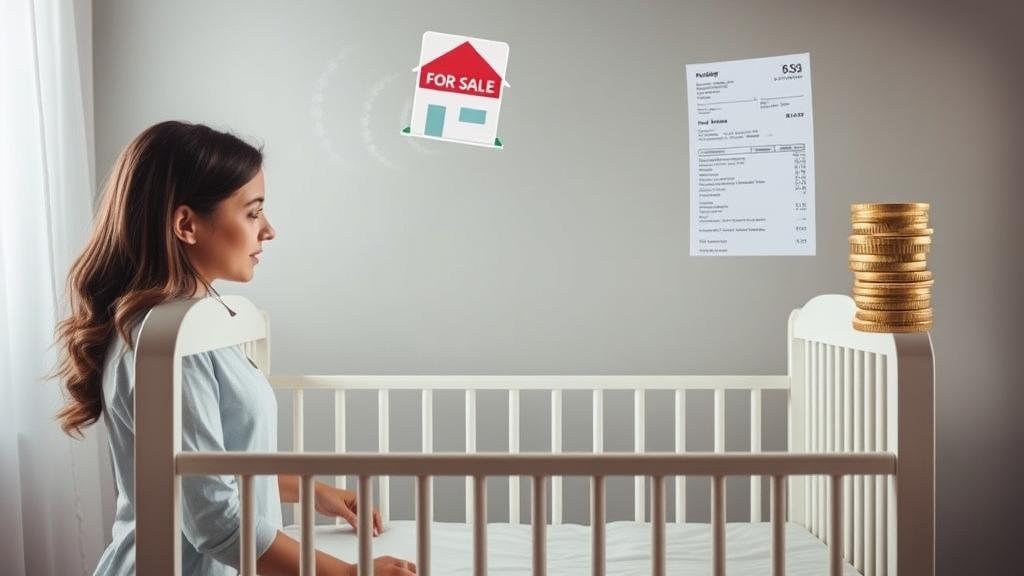
But for the generation expected to have children, the reasons are far less philosophical and far more financial. The cost of living crisis provides a much clearer explanation:
- Soaring Costs: Raising a child in the modern UK economy is an immense financial undertaking.
- Housing Crisis: The dream of a stable family home is increasingly unattainable, with rent and property prices at historic highs.
- Expensive Childcare: For many families, childcare costs are so prohibitive that one parent’s salary would be entirely consumed by them.
- Job Insecurity: The rise of the gig economy and precarious work does not provide the economic stability required to start a family.
Blaming “culture” for a problem so clearly rooted in economic hardship is not just unhelpful; it’s insulting to those struggling with these financial realities.
Conclusion: A Bridge to Reality is Needed
The gap between this brand of political commentary and the public is a story of a movement lost in an echo chamber, prioritizing abstract ideology over the concrete reality of grocery bills and childcare costs.
The public’s worries are pragmatic and centered on the UK economy. For any political movement to reconnect, it must address the core issues facing Britain today. That begins by acknowledging and addressing the cost of living crisis that defines daily life for millions. Until then, the commentary will continue to sound like shouting into the wind, oblivious to an audience that has long since gone home to worry about their energy bills.