Navigating the UK’s Highest Tax Burden: A Personal Finance Guide
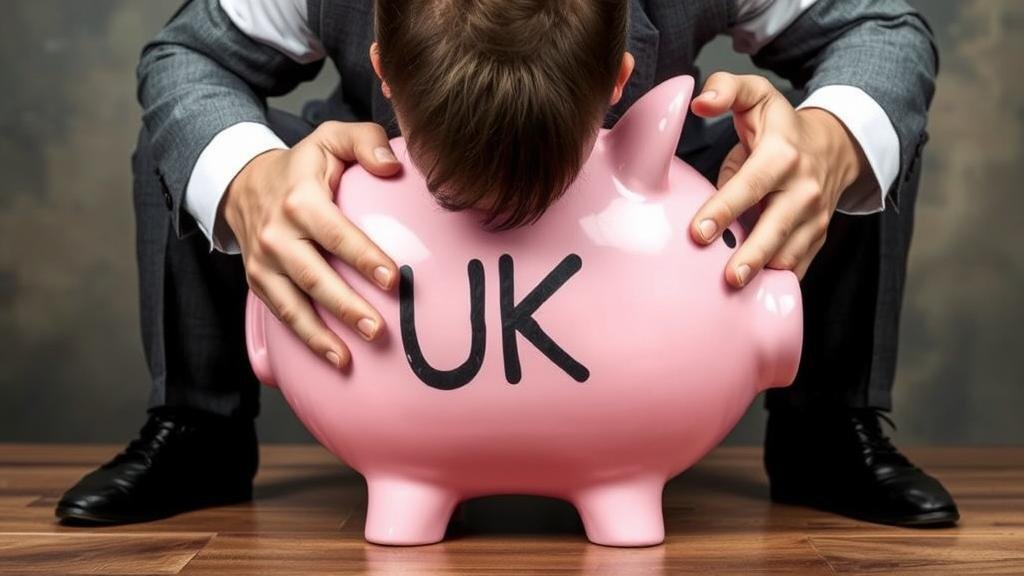
Let’s discuss the most unwelcome guest at any UK gathering: the taxman. It seems he’s getting significantly thirstier. The UK’s tax burden is projected to reach 38% of GDP, a figure not seen since the post-WWII era. This isn’t just a headline for economists; it’s the reason your payslip feels lighter, despite a recent pay rise. So, grab a coffee (while premium brands are still in the budget), and let’s explore what this means for your personal finance.
How We Got Here
So, how did the government’s hand get so deep in our pockets? It started with the massive spending during the global pandemic (remember furlough?). Just as we crept out of our homes, an energy crisis sent bills soaring, requiring more government intervention. The Office for Budget Responsibility (OBR), the nation’s accountants, confirmed this left a huge deficit in the public finances. The country’s spending became unsustainable, and now, the government is settling the bill through a series of tax hikes.
“Fiscal Drag”: The Sneakiest Tax
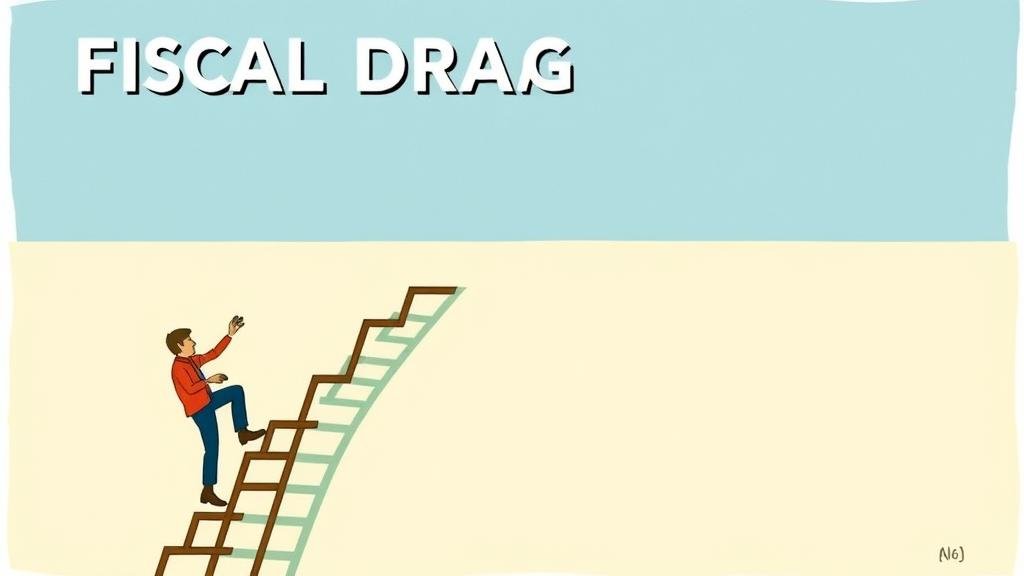
The government’s secret weapon for raising revenue is “fiscal drag.” It’s far less glamorous than it sounds. The strategy involves freezing the income tax thresholds – the amount you can earn before paying a higher tax rate. As inflation rises and you get a cost-of-living pay adjustment, that extra income can push you into a higher tax bracket. You end up paying more tax without being any wealthier in real terms. It’s a subtle way to increase the tax take and a key reason your take-home pay seems to be shrinking.
What Else Is Squeezed?
The taxman isn’t a one-trick pony. Here’s a look at other areas feeling the pressure:
- Income Tax: Frozen thresholds are the silent assassin of your salary.
- National Insurance: Despite some recent changes, it remains a significant deduction.
- Corporation Tax: Increased taxes on company profits can lead to slower wage growth and reduced investment.
- Council Tax: Local councils are also demanding more to maintain public services.
- Other Taxes: From fuel duty to taxes on a pint at the pub, it all adds up.
The Impact on Your Wallet
The primary consequence of a higher tax burden is a reduction in your disposable income. That dream holiday might need rethinking, and the general cost of living feels more intense. This financial squeeze makes long-term goals like saving for a house or planning for retirement feel increasingly out of reach. For many, it’s leading to a greater reliance on credit just to manage monthly expenses.
The Wider Economic Impact
When businesses face higher taxes, they tend to become more cautious. They might postpone expansion plans, hire fewer employees, or delay investing in new technology. While the government argues this is necessary for a stable economy, the long-term effects are still a matter of intense debate among economists.
What Can You Do?
While you can’t alter national fiscal policy, you can take control of your finances. Managing your money effectively is crucial.
- Create a Budget: Get to know your income and expenses intimately. Track your spending to identify areas where you can save.
- Use Your Allowances: Take advantage of tax-efficient savings and investment options. Are you using your full ISA allowance? Are you maximizing your pension contributions to benefit from tax relief?
- Seek Expert Advice: If you find tax rules overwhelming, consult a financial advisor. They can provide personalized guidance to help you navigate HM Revenue & Customs.
The Road Ahead
This high-tax environment isn’t temporary. Forecasts suggest the situation may not improve for some time. Therefore, staying informed and being proactive with your personal finance is no longer just a good idea—it’s essential for your financial well-being.