Ukraine and Key European Allies Reject US-Backed Peace Plan
In a significant geopolitical development, Ukrainian President Zelenskyy, alongside leaders from the UK, France, and Germany, has collectively rejected a U.S.-backed peace proposal aimed at ending the conflict with Russia. This joint declaration signals a notable divergence among Western allies and underscores the complexities of negotiating a lasting peace.
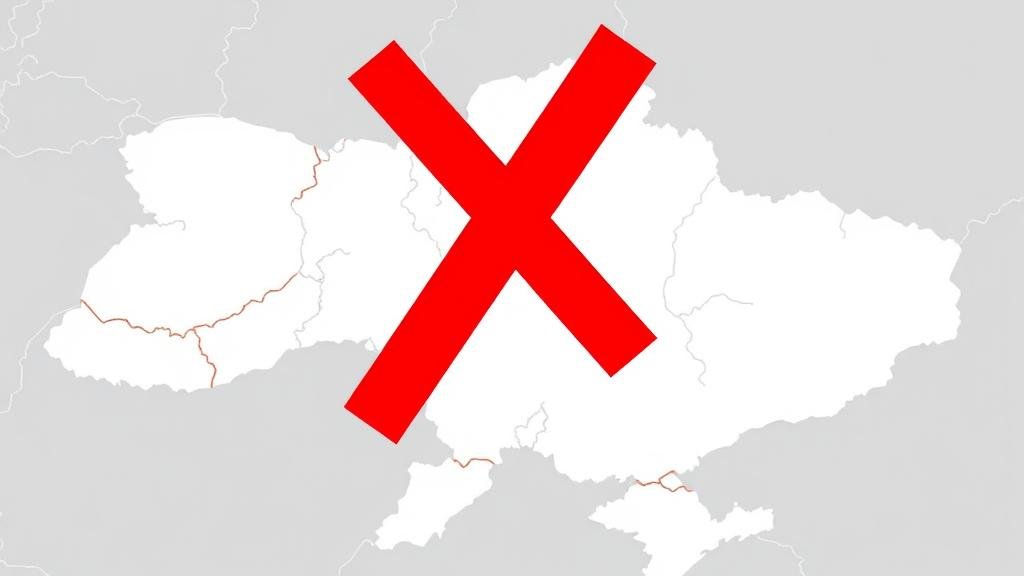
Sovereignty Over Concessions
The proposed peace plan reportedly required Ukraine to make substantial concessions, including ceding the Donbas region and significantly reducing its military capabilities. For Kyiv, such terms are non-negotiable. Relinquishing the Donbas would represent a severe blow to Ukraine’s sovereignty and national morale, while demilitarization is untenable given the ongoing security threats. The proposal has been widely viewed not as a viable path to peace, but as an ultimatum that rewards aggression.
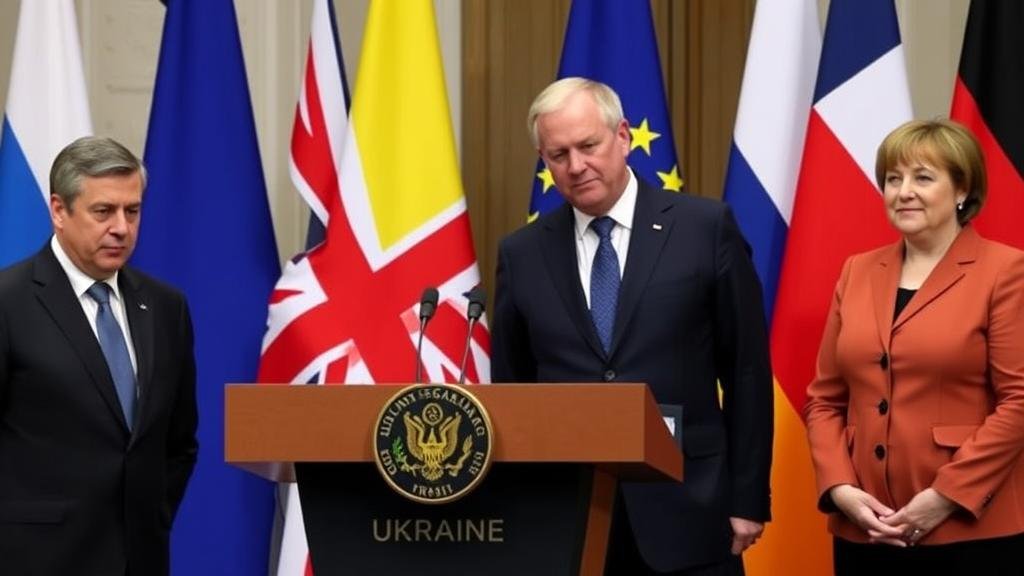
A Clear and United Front
In a clear and coordinated response, European leaders and President Zelenskyy issued a joint statement reaffirming their unwavering commitment to Ukraine’s sovereignty and territorial integrity. While not directly naming the United States, the statement’s timing and content deliver an unambiguous message: any peace deal that compromises Ukraine’s fundamental rights is unacceptable. This united front insists that a genuine resolution must be led by Kyiv, not imposed upon it.

Cracks in the Transatlantic Alliance?
This public pushback has ignited debate over the unity of the transatlantic alliance. The United States has been a crucial provider of aid to Ukraine, but with a presidential election approaching, domestic political pressures may be influencing its diplomatic strategy, favoring a quicker, albeit more contentious, resolution.
For European nations, the conflict is not a distant issue but a direct threat to regional stability. A resolution that leaves Russia in a strengthened position is a scenario leaders in London, Paris, and Berlin are determined to avoid. Their unified stance with Kyiv reflects a shared understanding of the long-term security stakes. The UK’s prominent role in this declaration also highlights its continued importance as a key player in European security, even post-Brexit.
The Road Ahead: Diplomacy Under Pressure
Following this firm rejection, the U.S. peace proposal will likely require significant revision. The coming months will be a critical test of diplomatic alignment between Washington and its European allies.
Ultimately, a sustainable peace cannot be achieved through forced concessions or by validating acts of aggression. The joint statement from Ukraine and its European partners is a powerful assertion that a just and lasting peace must respect Ukraine’s right to exist as a whole, sovereign nation. The international community will be closely watching to see if a viable diplomatic solution can be forged from this challenging moment.