Ukraine and European Allies Reject US-Russian Peace Proposal
You know that feeling when someone tries to “help” by suggesting a solution so bad it makes things ten times worse? Like telling you to turn your computer off and on again after you’ve already told them you tried it. Six times. Well, that’s basically what just happened on the world stage in the latest round of geopolitics.
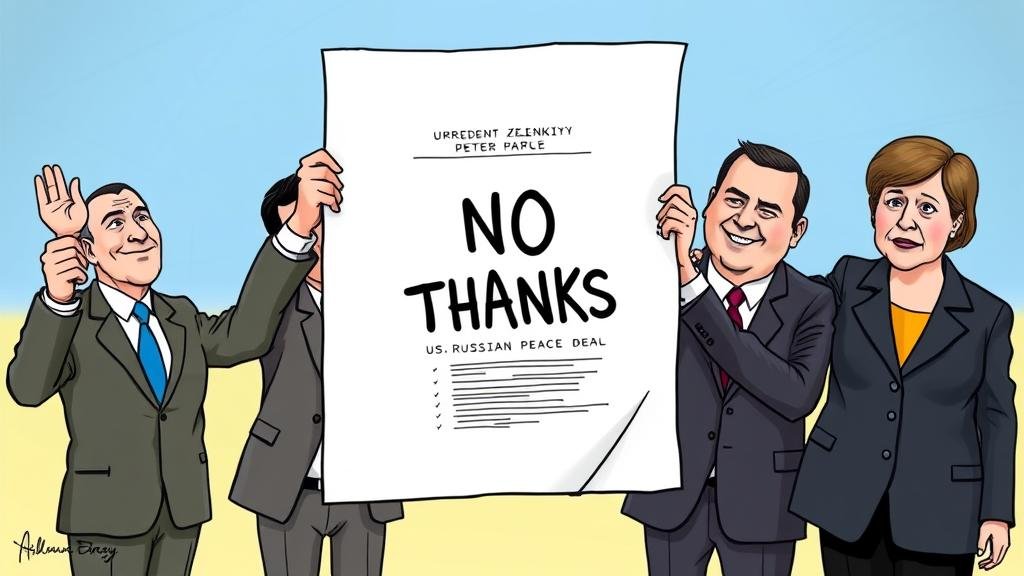
In what feels like a geopolitical scene from The Office, Ukrainian President Zelenskyy and the leaders of the UK, France, and Germany just collectively stared into the camera after being handed a rumored US-Russian peace deal. Their response? A joint statement that essentially translates to: “Thanks, but no thanks. And maybe read the room next time?”
This declaration firmly states that any Ukraine peace talks have to start from the current frontline. Let that sink in. No pulling back Ukrainian troops as a “get a free coffee”-style precondition. It’s a direct and powerful pushback against a plan that, frankly, had more holes in it than my dad’s favorite pair of socks.
The Contentious Peace Proposal: A Hard Pass from Kyiv
Let’s talk about this so-called “peace plan,” which many are calling the Trump peace plan. The details are murkier than my intentions when I say I’ll “just have one chip,” but the gist is that it was cooked up after some U.S.-Russia chats. The main event, the part that had Kyiv reaching for the world’s largest “nope” button, was the idea of freezing the conflict right where it is.
For a country that has spent years fighting tooth and nail for every inch of its land, this is a non-starter. You feel me? It’s like telling someone who just finished building a magnificent sandcastle that they should just let the tide take half of it. It would basically legitimize Russia’s land grab and send the message that aggression gets you beachfront property. President Zelenskyy has been crystal clear: peace means getting his country back, all of it. Anything less is just a really, really* bad deal that tramples on Ukraine’s sovereignty.
Honestly, the timing is also a bit… weird. With the war dragging on, everyone wants a diplomatic off-ramp. But this particular off-ramp leads directly into a swamp. It makes you wonder what the real goal was here, especially with ongoing discussions about NATO and future security guarantees.
A United European Front: The Avengers of Diplomacy
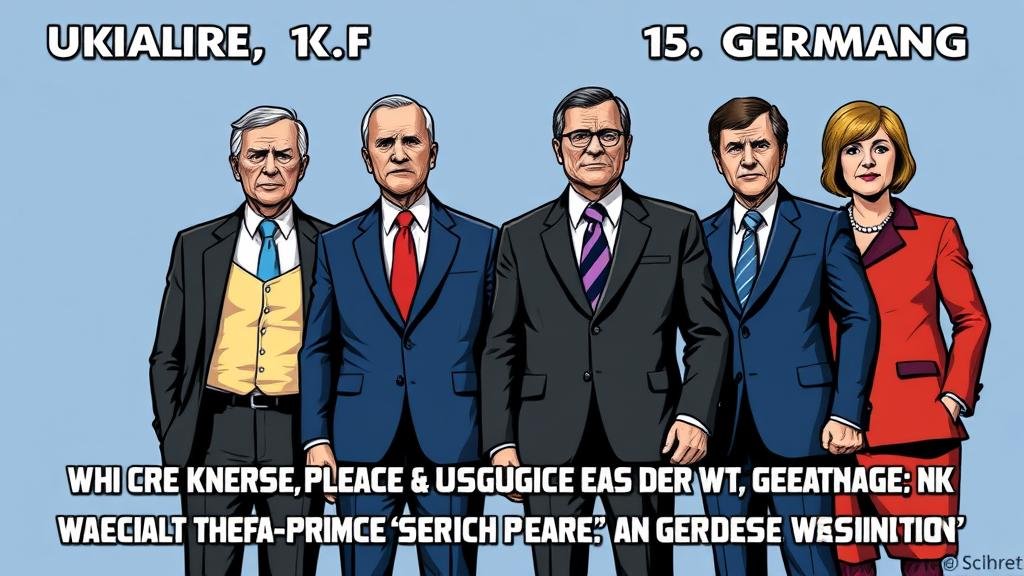
So what happens when you try to broker a deal that sidelines Ukraine? You get the European squad to assemble. The joint statement from Zelenskyy, the UK, France, and Germany is a message sent in big, bold, capital letters to both Moscow and Washington. It screams, “We’re not letting Ukraine get railroaded into a peace deal that guts its own sovereignty.”
Insisting that negotiations start at the frontline is huge. It’s not just a strategic point; it’s a moral one. It honors the insane sacrifices made by Ukrainians and tells Russia that trying to go over Kyiv’s head to talk to the U.S. won’t work. The bouncer at the club (Europe, in this analogy) just pointed at Zelenskyy and said, “He’s with us.” This move significantly strengthens European relations.
This is a major diplomatic win for Ukraine. It’s like showing up to a tense negotiation and realizing your three toughest cousins are standing right behind you. And yes, this will be on the test of future diplomacy.
What This Means for…Well, Everyone
Alright, before your brain decides this is the perfect time for a nap, let’s quickly unpack what this means for the main players in this geopolitics drama. Hot take coming in 3…2…1…
For Ukraine:
It’s a shot of adrenaline and a massive morale boost. This reaffirms they’re not alone and strengthens their position for any real Ukraine peace talks that might happen down the line. It tells their people that their fight for sovereignty is still being backed by some heavy hitters.
For Russia:
This is a setback. It shows their hope of a divided Europe isn’t panning out. The message is clear: a peace deal on Russia’s terms, like the proposed US-Russian peace deal, is off the table, filed under “never gonna happen.”
For the United States:
This could get a little awkward at the next G7 family dinner. It looks like a bit of a miscalculation, a sign that Washington might not be perfectly in sync with its EU allies on how to handle this. Let’s be real, it was a premature and poorly thought-out move in the delicate dance of diplomacy.
For Europe:
Puffs out chest. This is the EU stepping up and showing it wants to be a lead character, not just a supporting actor, in its own continental security drama. It’s a statement of unity and a refusal to be a passive bystander in matters of European relations and geopolitics.

The Road Ahead: Still Under Construction
So, the chessboard has been dramatically reset. This joint statement made it painfully obvious that a just peace won’t be achieved with a simple handshake and a bad idea like the Trump peace plan. The path forward is long, winding, and probably full of potholes.
It has, however, steered the conversation back toward what actually matters: Ukrainian sovereignty. It’s a firm reminder that you can’t just reward a bully. The next few months will be fascinating. We’ll be watching to see how Russia reacts and if the U.S. rethinks its strategy for future Ukraine peace talks.
Still reading? Wow. You’re officially my favorite. The one thing we know for sure is that peace will take grit and a stubbornly united front, especially when it comes to NATO and the future of European security. But hey, at least things just got a lot more interesting.