Ukraine Peace Deal on Hold? European Leaders and Zelenskyy Send a Unified Message
You know that feeling when a terrible idea is floated in a group chat, and everyone replies with a polite, “Hmm, we’ll think about it,” which actually means “absolutely not”?
It seems Ukrainian President Volodymyr Zelenskyy and the leaders of the UK, France, and Germany just did the geopolitical equivalent of that. This carefully worded joint statement is the diplomatic version of leaving a peace plan on “read”—a unified message that signals a powerful rejection of any peace deal that compromises Ukraine’s sovereignty.
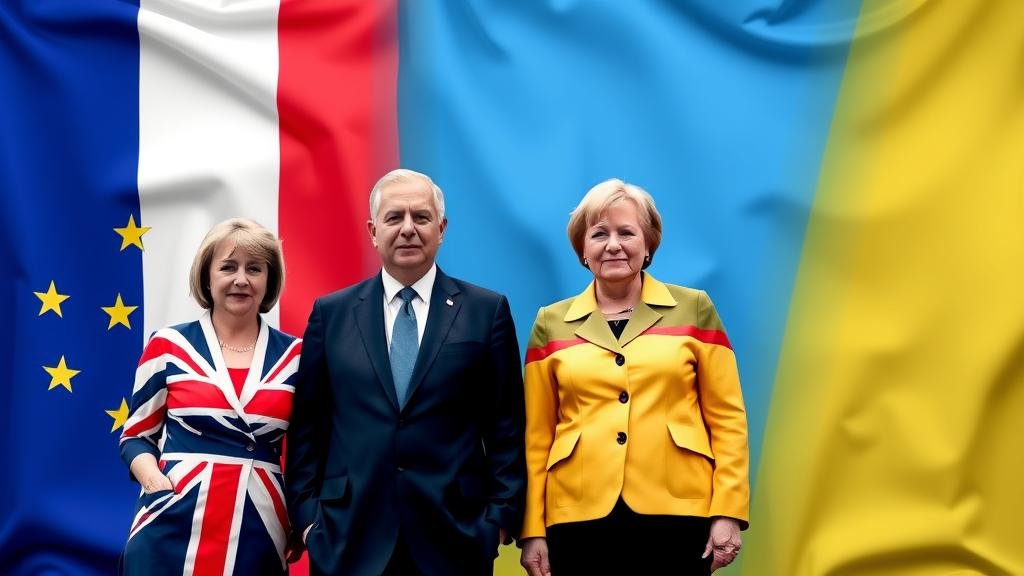
The statement, which followed a discussion between Zelenskyy, Olaf Scholz, Emmanuel Macron, and Rishi Sunak, is full of noble-sounding phrases about Ukraine’s right to choose its own destiny. But given the timing, it’s a thinly veiled message aimed squarely at a certain peace proposal: the one where Ukraine gives up land in exchange for a hollow promise of peace.
The Unspoken Rejection of a Controversial Peace Deal
If this joint statement were a text, it would be dripping with polite-but-deadly sincerity. It doesn’t name the specific proposal it’s shutting down, but it doesn’t have to. When the leaders of four nations declare that a “just peace” cannot come at the cost of Ukraine’s “territorial integrity,” it’s a clear rebuttal to any plan that suggests carving up the country.
Some have pitched the idea of trading land for peace as a “pragmatic” way out. But for Ukraine and its allies, that’s like telling a burglary victim that the “pragmatic” solution is to let the thief keep their TV. This joint statement is a powerful reminder that while everyone wants a diplomatic solution, the price isn’t Ukraine itself.
A United European Front in Geopolitics
Getting three major European powers to agree on anything can be like herding cats. So, their united front with Ukraine is a significant development in the ongoing Russia-Ukraine war. It sends a clear message to the world—and anyone betting against them—that European unity is holding strong.
This unity provides a dose of stability in a volatile world, signaling to markets that key players are on the same page. A united Europe is a less anxious Europe for everyone’s financial future.
The Power of a Single Voice in the Russia-Ukraine War
In an era of rampant misinformation, a clear, unified message like this is a flare gun. It cuts through the noise and plants a flag: Ukraine’s sovereignty is not up for negotiation.
Leading the charge is President Zelenskyy, who has become a global symbol of defiance. Combine his determination with the backing of his European counterparts, and you have a formidable diplomatic force. It’s a powerful team-up, like the Avengers but with more suits and fewer aliens, standing up for a rules-based international order.
What This Means for the Future and a Just Peace
This diplomatic drama shows that the road to a just peace is not a shortcut. The statement is the political equivalent of saying, “We’re not looking for a quick fix; we’re in this for a long-term, committed, and just resolution.” It requires holding Russia accountable, not rewarding aggression.
The journey will be challenging, but this joint statement is a welcome shot of adrenaline for diplomacy. A stable Europe is good for everyone’s bottom line, and for now, this is a win for unity—a reminder that in the darkest of times, a united front can change the game.
The Broader Implications for the International Order
This is about more than just one war; it’s about whether we want to live in a world where bullies get to keep the lunch money they stole. This statement is a big, flashing neon sign in support of a “rules-based international order”—a world where we all agree not to be jerks.
Even as the war rages, back-channel chats, careful wording, and joint statements are as critical as what’s happening on the front lines. We’re at a crossroads where we can either stand up for our values or look the other way. And we’re rooting for the side that believes in defending friends, not giving in to bullies.