Ukraine Peace Plan: Trump’s “28-Point Plan” Rocks Global Diplomacy
Ever been the last person to find out the group chat made plans without you? You’re sitting at home, re-watching The Office for the tenth time, when you see an Instagram story of all your friends at brunch. Awkward.
Now, imagine that on a global scale. Instead of missing bottomless mimosas, European leaders apparently missed a secret “let’s end this war” meeting.
Reports are flying that a US-Russia peace deal for Ukraine has been sketched out, and European allies were, to put it diplomatically, blindsided. This whole mess, dubbed the “28-point plan,” threatens to torpedo the one principle everyone swore they’d stick to: “nothing about Ukraine without Ukraine.” Here at Creditnewsinsider, we’re diving into the juicy—albeit terrifying—details of this proposal and what it means for global stability.

The Controversial “Trump Peace Plan”: Top-Secret Edition
According to whispers from major news outlets, this framework, known as the “Trump peace plan,” was dreamed up in direct talks between the U.S. and Russia. The full plan is shrouded in secrecy, but the parts that have leaked are enough to make you spit out your coffee. It seems to be less of a peace treaty and more of a really, really bad deal for one side.
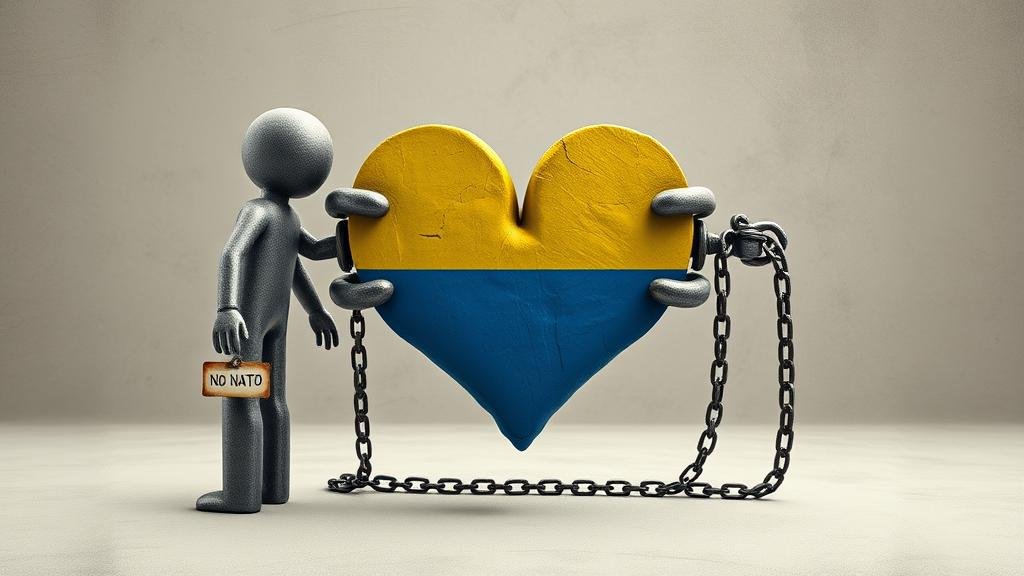
The Heavy Price of Peace: A Look at the “Painful Concessions”
Okay, deep breath. The proposal reportedly demands “painful concessions” from Kyiv. And we’re not talking about agreeing to disagree on whether pineapple belongs on pizza.
- Territorial Integrity: The plan would reportedly force Ukraine to cede territory. This is the diplomatic equivalent of your neighbor stealing your lawn mower and car, and you agreeing to let him keep them if he just stops there.
- Neutrality: A key point is “no NATO for Zelenskyy.” Ukraine would have to formally swear off joining the alliance, a long-standing demand from Moscow.
- Military Limitations: Potential caps on the size and strength of Ukraine’s army. So, after fighting for its life, a key term of peace would be… making it harder to defend itself in the future.
For a country that has lost hundreds of thousands of people defending its right to exist, this looks less like peace and more like a surrender dictated by others.
Russia’s Side of the Bargain: A Pinky Swear
So, in exchange for Ukraine giving up land, sovereignty, and security, what is Russia bringing to this potluck of peace?
A promise of “no further attacks.”
That’s it. Not war reparations. Not accountability for war crimes. Not even a full withdrawal of troops. This begs a question even a 7-year-old could answer: can you really trust a promise from the guy who started the fire in the first place?

“Blindsided”: The View from Europe
The reaction from European capitals was, reportedly, a collective “UM, EXCUSE ME?!” Leaders in Berlin, Paris, and Brussels have spent years absorbing economic hits, housing refugees, and sending billions in aid, only to find out they were left on ‘read.’
This isn’t just a diplomatic faux pas; it’s a slap in the face. It blows up the trust that holds an alliance together and makes the “nothing about Ukraine without Ukraine” mantra look like a sad, deflated balloon.

The Geopolitical Chessboard: Why Now? ♟️
Okay, let’s put on our thinking caps and ask: why this high-stakes gamble now? A few possibilities come to mind. There’s the looming U.S. election, and nothing screams “foreign policy win” like ending a very expensive war. Or, it could be a grim calculation that the war is a bloody stalemate. For Russia? The upside is massive. They could lock in their land-grab and drive a giant wedge into the Western alliance. It’s a geopolitical hat trick on the geopolitical chessboard.
A Dangerous Precedent for Global Stability?
Alright, let’s put the dad jokes aside for a second, because this part is genuinely scary. If a country can invade its neighbor and then get rewarded with land, what message does that send? It basically hangs a giant “Open for Business” sign for bullies worldwide, undermining the entire post-WWII idea that you can’t just redraw borders with tanks. This is a serious threat to global stability.
Conclusion: Navigating a Diplomatic Minefield
So, what we have here is a diplomatic minefield. This alleged secret deal has thrown a grenade into the Western alliance, left European allies feeling ghosted, and treated Ukraine’s sovereignty like an afterthought.
While everyone wants peace, a peace forged on the aggressor’s terms feels… well, wrong. The next few weeks will show whether the Western alliance can get its act together or if the pressure for a quick exit will lead to a deal that sacrifices justice for a fragile, fleeting quiet. Stay tuned. It’s about to get bumpy.