Ukraine’s Diplomatic Mic Drop: Why the US-Russia Peace Plan Was Dead on Arrival
So, you thought your family group chat was dramatic? Honey, you have seen nothing. In what amounts to the geopolitical equivalent of two people planning a surprise party for the guest of honor, the United States and Russia reportedly cooked up a little Ukraine peace plan. The response from Ukraine and its key European allies was, to put it mildly, a collective and resounding “Read the room.” This whole saga is juicier than a reality show reunion, with huge implications for global stability, US-Russia relations, and, yes, even your wallet.
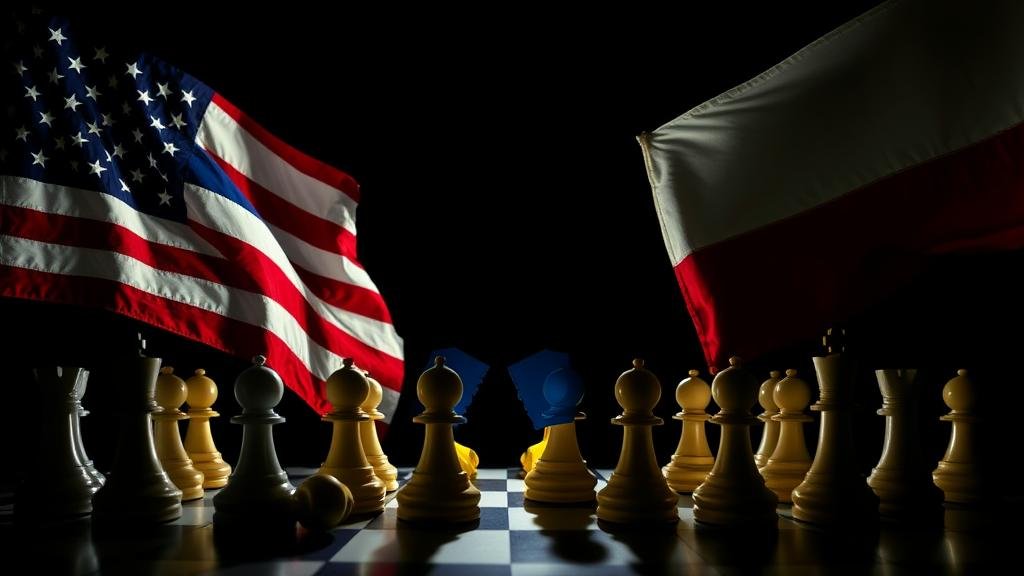
The “Don’t Talk About Us, Without Us” Proposal
Let’s be real, the details of this so-called Ukraine peace plan are murkier than the plot of a Christopher Nolan movie. But diplomatic whispers, loud enough for the Financial Times to hear, suggest the deal involved territorial concessions that Ukraine has been saying “nyet” to since day one. We’re likely talking about trading land or limiting Ukraine’s ability to, you know, defend itself in the future.
The very idea of a deal cooked up by Washington and Moscow—without Kyiv in the chef’s hat—is a major yikes. It screams “great powers” trying to clean up a mess quickly, maybe not justly. It’s like your two biggest friends deciding how you should apologize to the person who pushed you, all while you’re still on the ground. It’s against this backdrop that Zelenskyy and his European pals hit the “reply all” button with some forceful feedback.
A Masterclass in Saying “Absolutely Not”
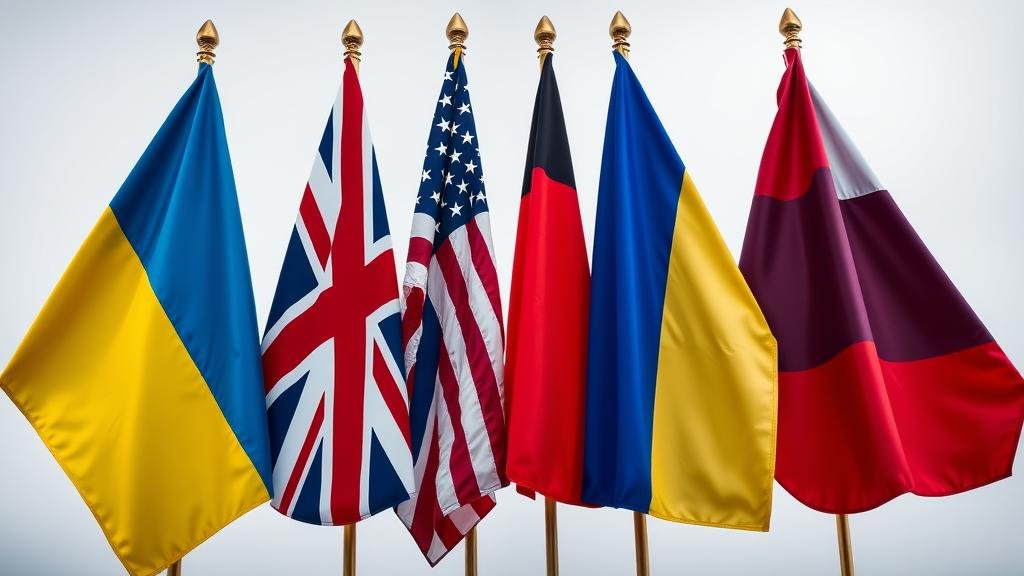
The joint statement from Zelenskyy and the leaders of the UK, France, and Germany is a diplomatic mic drop. It’s a beautifully polite, yet completely savage, rejection of any deal that treats Ukraine like a suggestion box. It basically says, “Thanks for your input, but we’ll be taking it from here.”
The Financial Times noted the statement “appears to push back on the proposal,” which is like saying a charging rhino “appears to be moving in your direction.” The message to both Washington and Moscow is crystal clear: Europe is not sitting at the kids’ table anymore.
Let’s break down their non-negotiables before your eyes glaze over like a Krispy Kreme:
- Ukrainian-led Negotiations: In other words, Ukraine gets the aux cord. They’re driving the Russia-Ukraine negotiations. Any peace process has to be steered by Kyiv, not back-seat driven by anyone else. You feel me?
- No Territorial Concessions: The leaders doubled down on Ukraine’s pre-2014 borders. This is the diplomatic version of “Get your hands off my stuff” and a flat-out rejection of legitimizing Russia’s land grabs.
- Real-Deal Security Guarantees: Forget vague promises. They’re asking for “credible and long-term security guarantees for Ukraine.” This isn’t a pinky swear; they want an ironclad, legally binding contract that deters future aggression.

The Global Chessboard Just Got Flipped Over
Hot take coming in 3…2…1. This isn’t just about one proposal. It’s a sign that the whole game is changing.
First, this is Europe’s “I’m a grown-up now” moment. While the US is still the rich, powerful older sibling, the European allies are showing they can and will make their own decisions, especially when the crisis is in their own backyard. This united front is a message that Europe isn’t just going to follow orders anymore.
Second, this puts the U.S. in a super awkward position. The administration has been Ukraine’s biggest cheerleader, but this reported backroom deal suggests some folks in Washington are getting tired and looking for the nearest exit. Now the White House has to mend fences with its closest allies. Cue dramatic pause.
Third, this is a gut punch to Putin’s strategy of dividing the West. His whole plan banks on the idea that the allies will eventually start bickering amongst themselves. This joint statement just showed that the “get along shirt” still fits, and the coalition is stronger than he hoped.
So, Why Should You Care?
Right about now, you might be thinking, “This is fascinating, guy, but my portfolio is weeping.” I get it. What does this geopolitical drama have to do with you? More than you might think.
A prolonged war can send shivers through the market, mess with supply chains, and make a gallon of gas cost more than a movie ticket. While this pushback might mean the conflict lasts longer in the short term, the goal is a sustainable peace. An unjust peace treaty is like putting a tiny bandage on a gaping wound—it’s not going to hold. A stable Europe, governed by the rule of law, is a predictable and profitable environment for everyone. An outcome where aggression pays off? That’s a recipe for global chaos, and chaos is very, very bad for business and global stability.
The Road Ahead is Long and Winding
This statement marks a pivotal moment. It’s a declaration of independence, not just for Ukraine, but for European strategy itself. The world is now watching to see if the US will listen to its friends or keep trying to broker a Ukraine peace plan on its own.
For Ukraine, it’s a massive morale boost. For Europe, it’s a step toward becoming a true global power player. And for the rest of us? It’s a reminder that this fight is about more than just borders on a map. It’s about the future of global stability. And yes, this will be on the test.