Ukraine-Russia Peace Talks: What ‘Progress’ Means for Your Wallet
Let’s talk about a word that makes politicians giddy and the rest of us deeply suspicious: “progress.” It’s what I tell my partner when they ask if I’ve finally cleaned the garage. And it’s exactly what U.S. and Ukrainian officials are saying after a high-stakes, hush-hush meeting in Geneva.
They gathered in the city famous for fondue and not fighting to discuss a U.S.-led peace plan. Afterward, reports from NPR and the Financial Times dutifully quoted officials who “made progress.” Okay, great. But what does that mean? Did they agree on a ceasefire, or just that the hotel coffee was surprisingly decent?
Let’s be real: any talking is better than not talking. It’s a welcome change from the usual doom-and-gloom rhetoric. But the optimism is tempered by a wall of official silence so thick you could build a bunker out of it.
For now, “progress” is just a glimmer of hope in a very, very dark room. And yes, you should be a little skeptical. It’s healthy.
What We Don’t Know: A Whole Lot, Apparently
The official statements were a masterclass in saying nothing at all. It’s what they didn’t say that’s screaming the loudest. You feel me? Negotiators are staying more tight-lipped than my kid when I ask who drew on the wall.
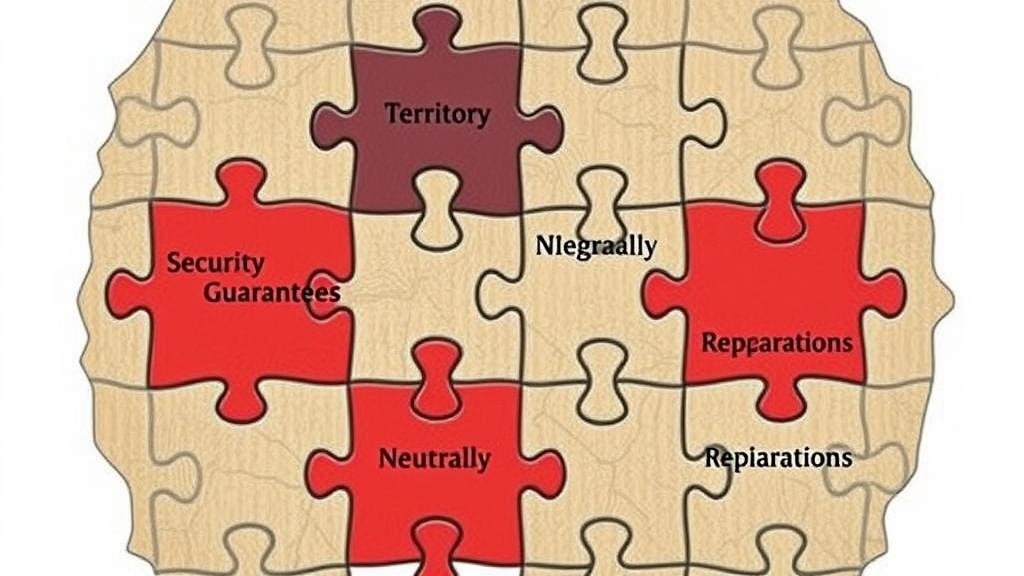
This has left everyone to wildly speculate on the big, gnarly, show-stopper issues:
- Territorial Disputes: You know, the small matter of who gets to keep huge chunks of Ukrainian land. This isn’t a board game where you can just trade properties. It’s the single most explosive part of the whole deal.
- Security Guarantees: Ukraine wants a “you mess with us, you mess with our very large, very armed friends” kind of deal, probably from NATO. Russia’s not exactly a fan of that idea. cue dramatic pause
- Neutrality: Russia’s been demanding Ukraine stay neutral, like Switzerland but with fewer mountains and more borscht. Will Ukraine give up its NATO dreams? The magic 8-ball says: “Reply hazy, try again.”
- Reparations & Accountability: Who’s going to foot the bill for rebuilding Ukraine, and will anyone be held accountable for, well, everything? An emoji of a person shrugging would be appropriate here.
To make things even spicier, AP News reports that some European allies are worried the U.S. proposal is too nice to Moscow. It’s like trying to get your friends to agree on a pizza topping, but instead of pepperoni, you’re debating the future of global security.
So yeah, we’re missing a few minor details. Just the entire plot, really.
Reading Between the Lines: Diplomacy in the Shadows
So, why all the secrecy? Are they just being dramatic? Hot take coming in 3…2…1… it’s actually strategic.
Think about it. If they announced every tiny concession publicly, hardliners on both sides would have a field day. The whole thing would collapse faster than my New Year’s resolution to eat less cheese. This “quiet diplomacy” gives them room to float ideas without starting a political firestorm. My 7-year-old could learn a thing or two about this negotiation tactic.
But here’s the rub: this cone of silence creates a giant, terrifying vacuum. And if there’s one thing markets hate more than a surprise interest rate hike, it’s a vacuum.
For anyone trying to run a business or, you know, not lose their life savings, this ambiguity is a nightmare. It leaves you asking questions that sound like the world’s most stressful game of 20 Questions:
- Will sanctions on Russia get lifted?
- Will energy markets finally chill out?
- What does the future of trade even look like?
The current situation is like a fog hanging over the market. We’re told there’s a road ahead, but for all we know, it could lead right off a cliff. And yes, this will be on the test.
The Economic Stakes: Why Your Wallet Should Care
Okay, let’s talk money. Because as much as we focus on tanks and treaties, this whole mess has a price tag that would make Jeff Bezos wince. The financial impact of this war has hit everyone, everywhere.
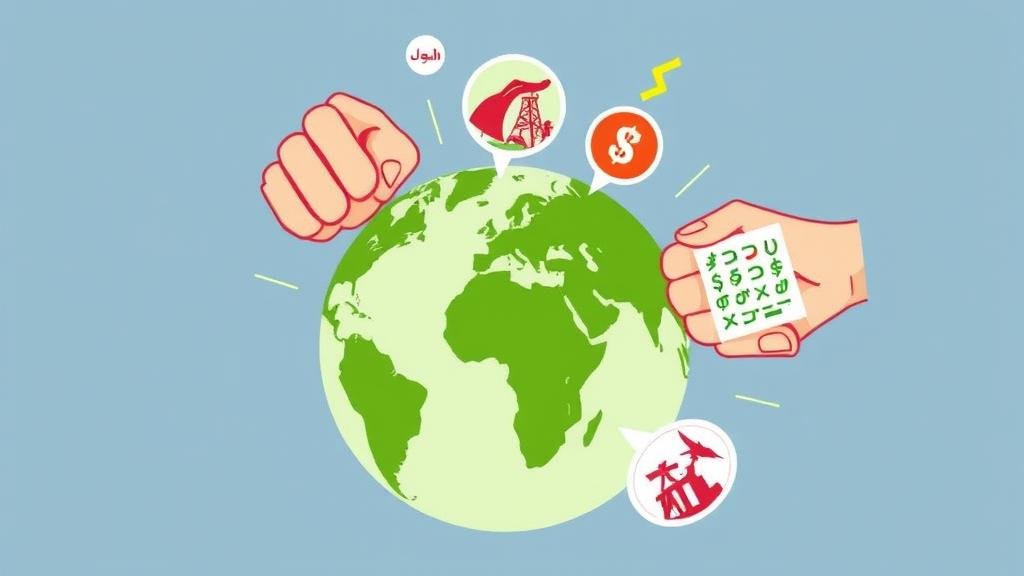
Now, before your eyes glaze over like a Krispy Kreme, let’s talk about the economic stakes. The war has given the global economy a three-punch combo:
- Soaring Energy Prices: Remember when filling up your car didn’t require a second mortgage? Yeah, that was fun. Disruptions to Russian oil and gas are a big reason for that pain.
- Food Insecurity: Here’s a fun fact—or maybe not-so-fun. Ukraine and Russia are basically the world’s breadbasket. The conflict has messed with grain exports, making a loaf of bread more expensive for everyone.
- Inflation Everywhere: Combine energy shocks with supply chain chaos, and you get the inflation beast that’s been eating away at our savings.
A real peace agreement would be like an economic superhero swooping in. Rebuilding Ukraine would be a project of historical proportions, pouring trillions into the global economy. Plus, stable markets and easing sanctions could bring down prices. That “peace dividend” isn’t just a number on a spreadsheet; it’s being able to afford groceries without hyperventilating.
A Cautious Watch and Wait
So, what’s the big takeaway from our little diplomatic mystery? The Geneva meeting was either the trailer for a blockbuster peace deal or for a straight-to-DVD flop. It’s too soon to tell.
The path from “making progress” to an actual, signed treaty is more treacherous than a family road trip without snacks. For now, we, the humble audience, are left to watch and wait. Still reading? Wow. You’re officially my favorite.
The next few weeks are critical. We’ll be looking for any clues—a whisper, a leak, a subtle change in someone’s public tone—that tells us which way this is going.
Here at Creditnewsinsider, we’ll be right there with you, glued to the screen with a comically large magnifying glass, ready to translate the geopolitical jargon into something that actually makes sense. Because while the road to peace is misty, navigating your finances shouldn’t be. Stay tuned, and try not to hold your breath for too long. You’ll turn blue. 🕊️