A Worthy Peace: Why Ukraine and Europe are Reshaping the Geopolitical Landscape
In a significant geopolitical development, Ukrainian President Volodymyr Zelenskyy, alongside leaders from the UK, France, and Germany, has publicly challenged a rumored US-Russian peace proposal. This collective response underscores a crucial demand: Ukraine must be a central party in any negotiations concerning its future.
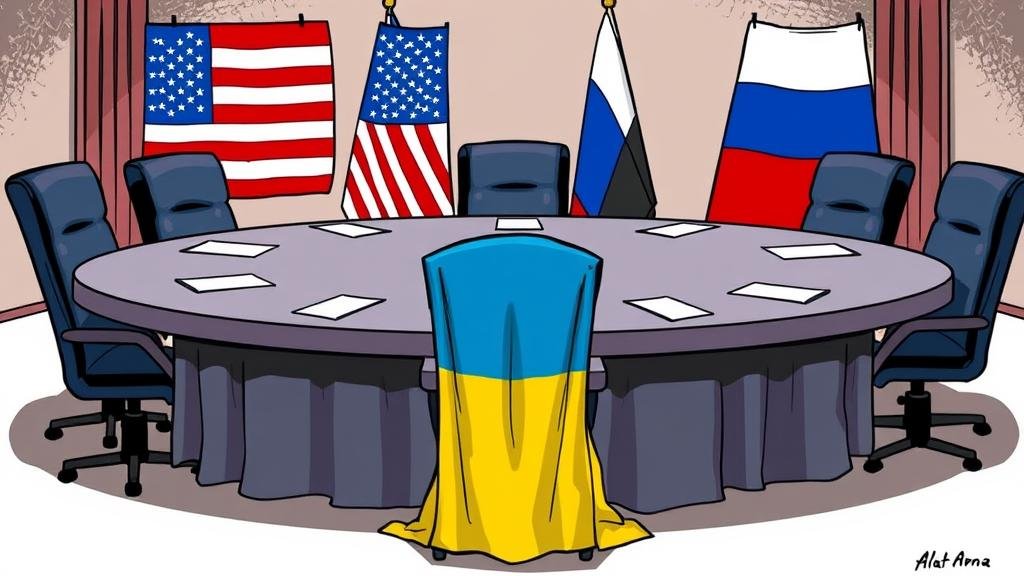
The Controversial US-Russia Peace Proposal
Reports of a privately negotiated peace plan between the United States and Russia have raised concerns within the international community. While the prospect of ending the conflict is welcome, the exclusion of Ukraine from these initial talks has been a major point of contention.
The primary concern is that a bilateral agreement might prioritize a swift resolution over a just and lasting one, potentially pressuring Ukraine to concede territory or compromise its sovereign rights. President Zelenskyy has consistently maintained that Ukraine’s territorial integrity is non-negotiable.
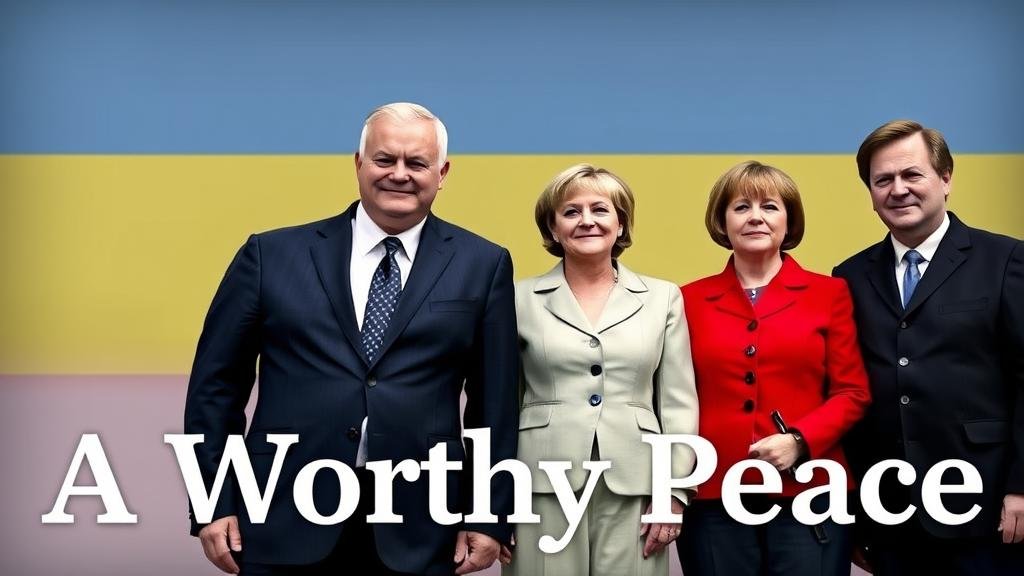
A United European Front for a ‘Worthy Peace’
In a powerful counter-move, the joint statement from Zelenskyy and the leaders of the UK, France, and Germany calls for a “worthy peace.” This declaration serves as a clear message that a sustainable peace cannot be dictated by external powers and must respect Ukraine’s agency.
This unified stance represents a significant diplomatic achievement for President Zelenskyy, demonstrating robust European support for Ukraine’s position. It solidifies the consensus that Europe is an active participant in resolving the conflict and will not accept a deal that sidelines Kyiv.
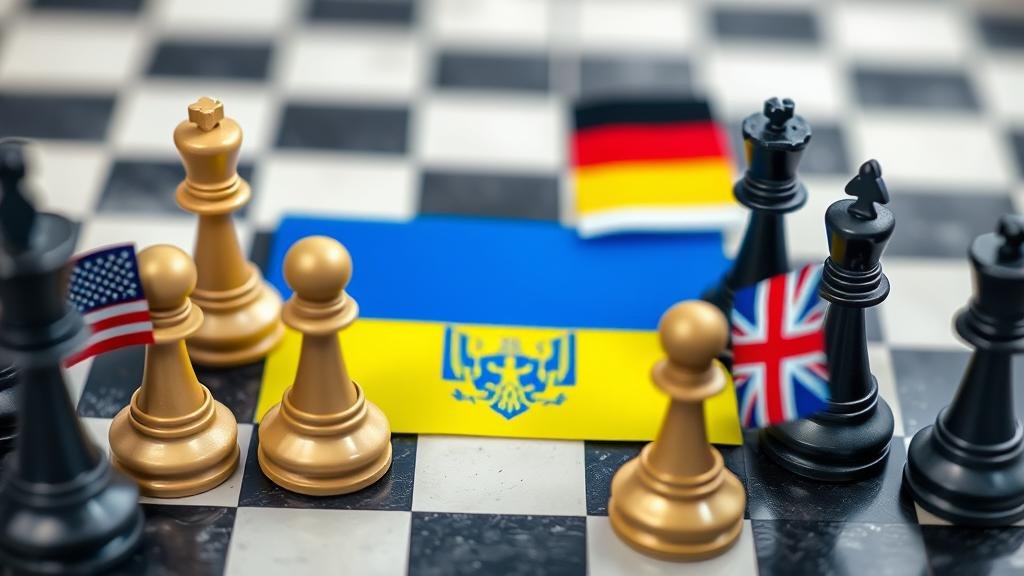
Geopolitical Implications
The current diplomatic landscape is shaped by the varied interests of the key international actors:
- The United States: The Biden administration may be seeking to secure a major foreign policy achievement, but a rushed deal that is not embraced by Ukraine could be counterproductive.
- Russia: From Moscow’s perspective, creating discord between Ukraine and its Western allies is a strategic objective. A divisive peace plan could serve this purpose.
- France & Germany: Mindful of the failures of past agreements like the Minsk accords, Paris and Berlin are now advocating for a more robust and equitable resolution.
- The United Kingdom: As a staunch ally of Ukraine, the UK has consistently provided military and diplomatic support, and it is unlikely to endorse any peace plan that it perceives as a compromise of Ukraine’s sovereignty.
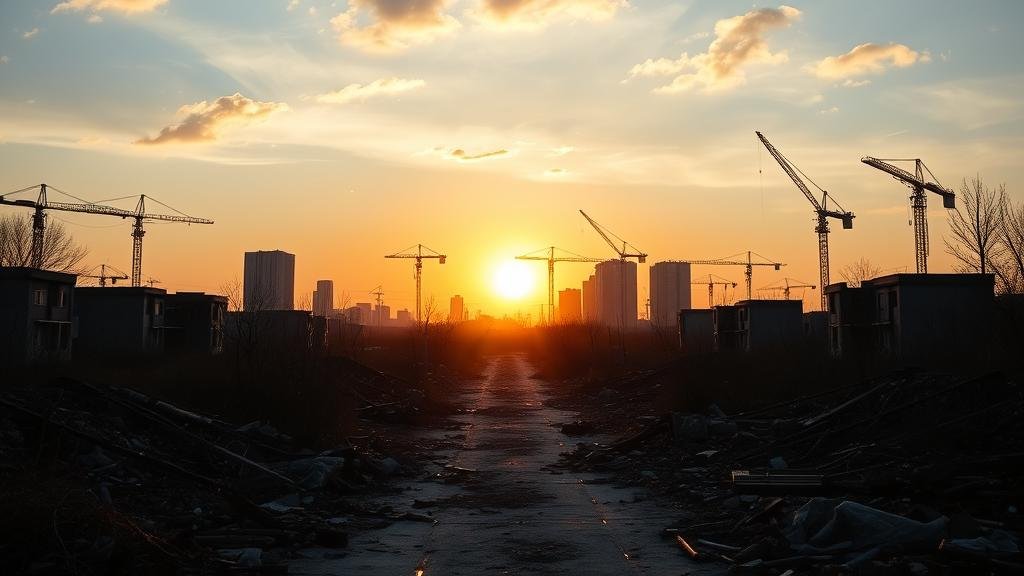
The Economic Imperative for a Sustainable Peace
A “worthy peace,” as advocated by Ukraine and its European partners, includes a comprehensive plan for the nation’s reconstruction. This long-term investment in Ukraine’s stability is not only a moral imperative but also a crucial factor for the global economy. A “quick fix” that fails to address the underlying issues could lead to renewed conflict, creating further economic instability.
The push for a just and comprehensive peace settlement is, therefore, a matter of both principle and economic prudence.
The Path Forward: A Complex Diplomatic Landscape
This joint European and Ukrainian statement has undeniably complicated the diplomatic process, but it has also strengthened it by ensuring that Ukraine maintains a pivotal role in the negotiations. The path forward will require careful and inclusive dialogue.
The international community now faces the challenge of facilitating comprehensive peace talks that respect Ukraine’s sovereignty and its right to self-determination. While the road ahead is complex, the recent developments have established a clear and non-negotiable principle: any lasting peace must be built on a foundation of justice, with Ukraine at the heart of the solution.