US-China Chip War Twist: A New Era of Taxed AI Chip Trade?
In a plot twist worthy of a season finale, the U.S. and China have updated their US-China relations status to “It’s Complicated (But Profitable).” In a stunning reversal of US technology restrictions, the President just announced that U.S. chipmakers like Nvidia can start selling their high-performance AI chips to China again.
But wait, there’s a catch. Cue dramatic pause. It’s a big one. For the privilege of selling to the world’s biggest market, these companies have to give Uncle Sam a 25% cut of the revenue.
Let’s be real, this is a massive pivot in trade policy. The old strategy was basically putting China’s tech ambitions in a time-out with strict chip export controls. Now, the policy is less “you can’t play with these toys” and more “you can play, but we get a quarter of your allowance.” Here at Creditnewsinsider, we’re breaking down what this new era of “taxed tech trade” means before your brain short-circuits.
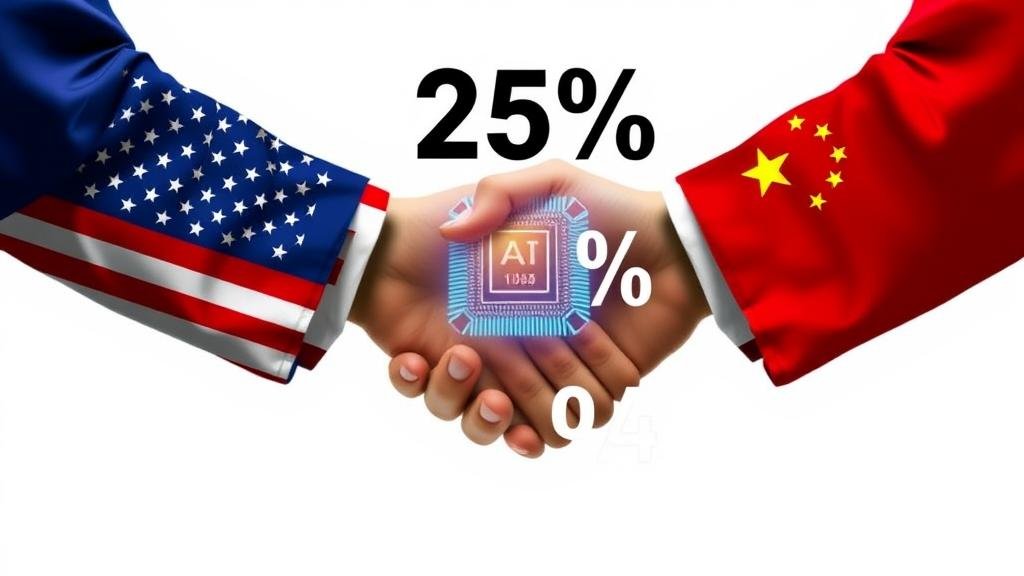
The Landmark Announcement: The 25% “We’re Cool Now, Right?” Fee
So, what exactly changed? Well, according to the big shots at Reuters and CNBC, the President basically flipped the “off” switch to “on,” allowing exports of previously forbidden semiconductors. We’re talking about the heavy hitters, like Nvidia’s H200 AI chip—which is basically the Iron Man suit of the semiconductor world.
“Nvidia can sell its H200 AI chips to China, but 25% of the revenue will be paid to the U.S.,” the President said. This isn’t just an Nvidia thing; this is the new cover charge for the entire industry.
Now, before your eyes glaze over like a Krispy Kreme, let’s process this. We went from a near-total blockade designed to slow-walk China’s tech progress to… a sales commission. The focus has shifted from containment to cashing in on the advanced computing market. Even Chinese President Xi Jinping gave it a “positive response,” which in diplomatic-speak is the equivalent of getting a “k” text instead of being left on read. Progress?
But… Why Tho? A Few Guesses.
My 7-year-old asked if I was done talking about trade policy. I said “never.” The real reason for this sudden change of heart is probably a cocktail of motives, shaken, not stirred.
- A New Piggy Bank for America: Hot take coming in 3…2…1. It’s about the money. A 25% slice of the AI chip pie in China is a massive new revenue stream. We’re not talking chump change; we’re talking “maybe we can finally fix the potholes” money.
- The Old Plan Wasn’t Working Anyway: Let’s face it, trying to stop China from developing its own tech was like trying to stop a tidal wave with a pool noodle. A total blockade just encourages them to build their own stuff faster, with companies like Huawei and SMIC making gains. This way, the U.S. keeps a foot in the door and a hand in the cookie jar.
- A Bargaining Chip in the Great Game: This could be the political equivalent of “I’ll let you have the last slice of pizza if you do the dishes for a week.” By giving a little on chips, the administration might be hoping to get something big on, say, intellectual property or other trade deals.
And get this—CNBC had already reported a rumored 15% revenue-share deal in the works. It looks like the administration saw that number and said, “Hold my beer. Let’s make it 25%.”

What This Means for the Chip Industry (and Your Portfolio)
For U.S. chipmakers, this is like finding a winning lottery ticket that’s slightly on fire. On one hand, cha-ching! A huge, hungry market is back on the menu. The demand for high-performance AI chips in China could send revenues to the moon.
On the other hand, a 25% tax is… steep. You can almost hear the accountants at Intel and AMD collectively groaning. Still, the consensus seems to be that selling to China with a 25% haircut is way better than not selling to China at all.
The rest of the tech world is watching with bated breath. Could this set a precedent? Are we going to see a 25% “America First” fee on software? Aerospace parts? The new iPhone? Only time will tell, but it’s a heck of a cliffhanger in this ongoing trade war.
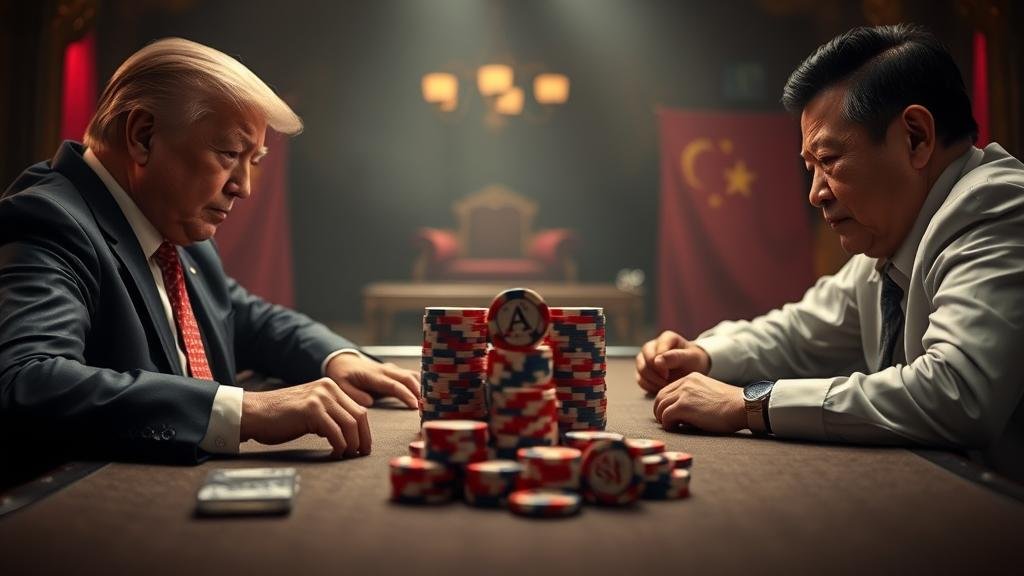
My Hot Take: This Is a High-Stakes Poker Game
From where I’m sitting, this is one of the boldest trade moves in a long, long time. It’s a gamble that trades tech containment for cold, hard cash. This is a bold strategy in economic statecraft, Cotton. Let’s see if it pays off.
The potential upside is shiny and bright: a new government revenue stream, happier U.S. tech companies, and maybe, just maybe, a calmer trade relationship with China.
The risk, however, is equally huge. Are we just helping our biggest rival on the national security front build a Death Star, but charging them for the parts? The “25% for the US” plan is an experiment in what wonks call economic statecraft—which is the fancy term for “let’s try this weird idea and see what happens.”
The Questions That Keep Me Up at Night
The dust is still settling, and a few key questions are buzzing around my head.
- How exactly is this 25% fee going to be collected? Is there a giant Venmo request sent to Beijing?
- Who’s making sure these high-performance AI chips aren’t being used for military purposes, threatening national security? Is there a designated “AI Hall Monitor”?
- And how will everyone else react? Will China get tired of paying the cover charge and just build its own, better nightclub?
Still reading? Wow. You’re officially my favorite. As this new chapter in the “chip wars” begins, we’ll be here with the analysis—and the dad jokes—to make sense of it all. This story is far from over. And yes, this will be on the test.