US-China Chip War: The Price of Power
The US-China tech war just got a bizarre plot twist. After a dramatic back-and-forth on tech exports, the White House has landed on a ‘Netflix and bill’ strategy for its policy on AI chips. In a move that has left many policy-makers reeling, the previous chip ban has been updated with a 25% ‘service fee’—a bold strategy to manage China’s tech ambitions while adding to US coffers. This is a high-stakes gamble with Nvidia’s powerful AI chips at the center of the controversy.
The New Directive: A 25% “Tax” on Ambition
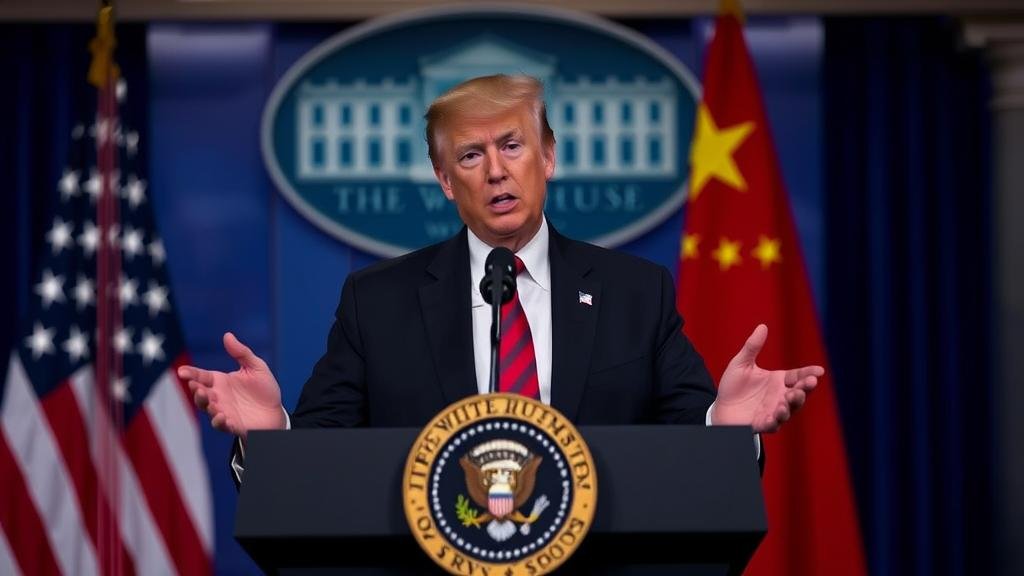
In a surprise announcement, the White House revealed that US companies like Nvidia, Intel, and AMD can resume selling their high-performance AI chips to China. These aren’t just any semiconductors; we’re talking about the ‘brains’ for future AI, the very technology previously restricted due to national security concerns. The catch? A 25% levy on all sales, a move some are calling a “smart tax on China’s tech ambitions.” This dramatic reversal in trade policy marks a significant pivot in the ongoing chip war, moving from a strategy of containment to one of profiting from the race.
The Economic Impact: A Windfall for Chipmakers?
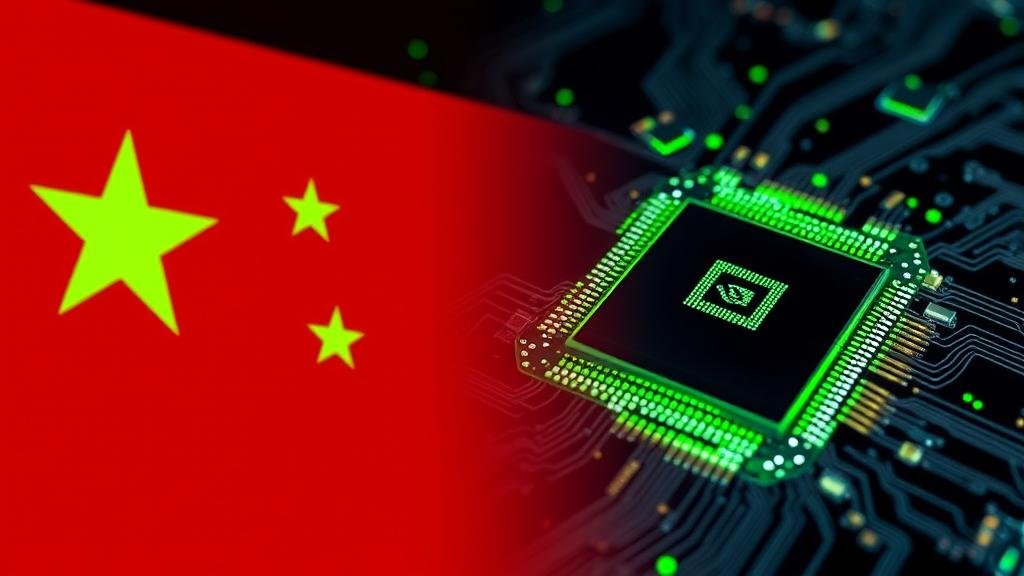
For American chipmakers, this policy shift is a game-changer. Nvidia, which had warned of a “permanent loss of opportunities” under the previous export controls, can now re-engage with a massive market. Chinese tech giants like Alibaba and Tencent are eager to acquire these advanced AI chips, and while the 25% fee is substantial, the sheer volume of demand might make it a manageable cost of business. This new revenue stream could also fund US initiatives like the CHIPS Act, effectively making China finance American innovation. Wall Street is now tasked with weighing the economic impact of this multi-billion dollar decision.

National Security vs. Economic Pragmatism: The Great Debate
The new policy has ignited a fierce debate. National security hawks argue that selling advanced AI chips to China is a dangerous gamble, potentially accelerating their military and technological capabilities. They see it as prioritizing short-term economic gain over long-term security. On the other side, economic realists contend that China would have developed its own technology anyway. They argue this new approach allows the US to profit from and monitor China’s technological progress. The core of the issue is whether it’s better to control the supply of critical technology or to let a competitor develop it in the shadows.
What to Watch For
This new chapter in the US-China tech war is far from over. Key developments to watch include:
- China’s Response: Will Beijing accept the 25% fee or view it as a provocation, leading to a new form of trade dispute?
- Industry Reaction: The speed at which companies like Intel and AMD apply for licenses will indicate the industry’s confidence in this new policy.
- Implementation: The logistics of collecting a 25% fee on every chip sold to China will be a complex undertaking.
- International Relations: The US must now navigate the diplomatic fallout with allies who had previously supported the stricter chip ban.
A New Era in the Tech Cold War
The shift from a complete ban to a taxed supply of AI chips is a landmark moment in the US-China relationship. This move could be a brilliant stroke of economic statecraft or a monumental miscalculation. Only time will reveal the true consequences of this decision, but one thing is for sure: the global tech landscape has just become a lot more complicated.