The Great Decoupling Myth: Why US-China Trade Is Thriving
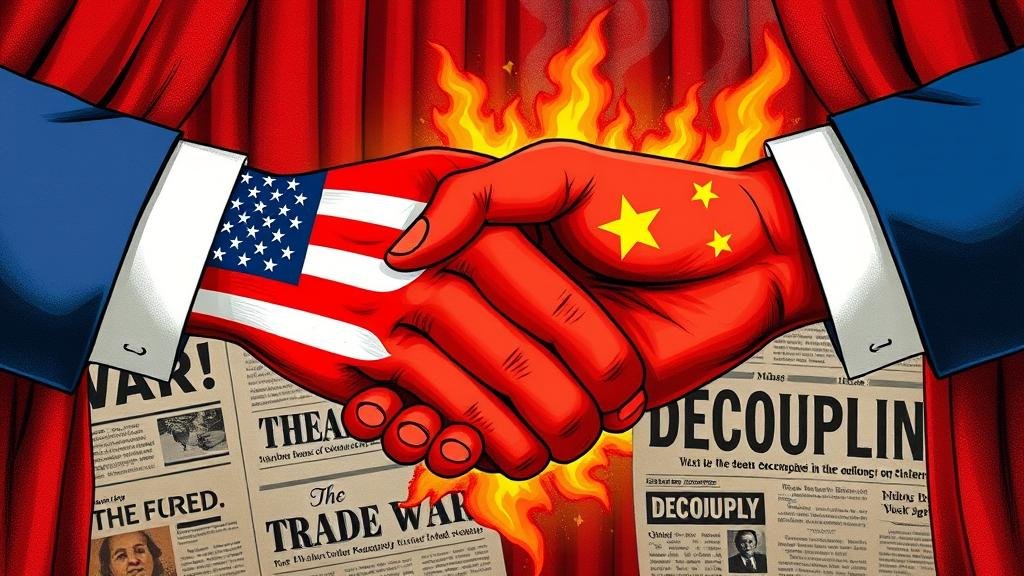
You thought Ross and Rachel were “on a break”? That’s child’s play compared to the US and China. For years, we’ve been sold the story of “economic decoupling,” a global breakup forcing everyone to pick a side. At the heart of it is the narrative that trade between these two giants is on life support, a victim of escalating trade policy disputes.
And yet, if you peek behind the curtain of angry headlines and diplomatic side-eye, the numbers tell a very different story. Global trade, especially the flow of goods from China, hasn’t just survived; it’s thriving. It’s like finding out the band you thought broke up is secretly headlining a world tour, fueled by an undeniable economic interdependence.
A Tale of Two Narratives: Politics vs. Your Bank Account
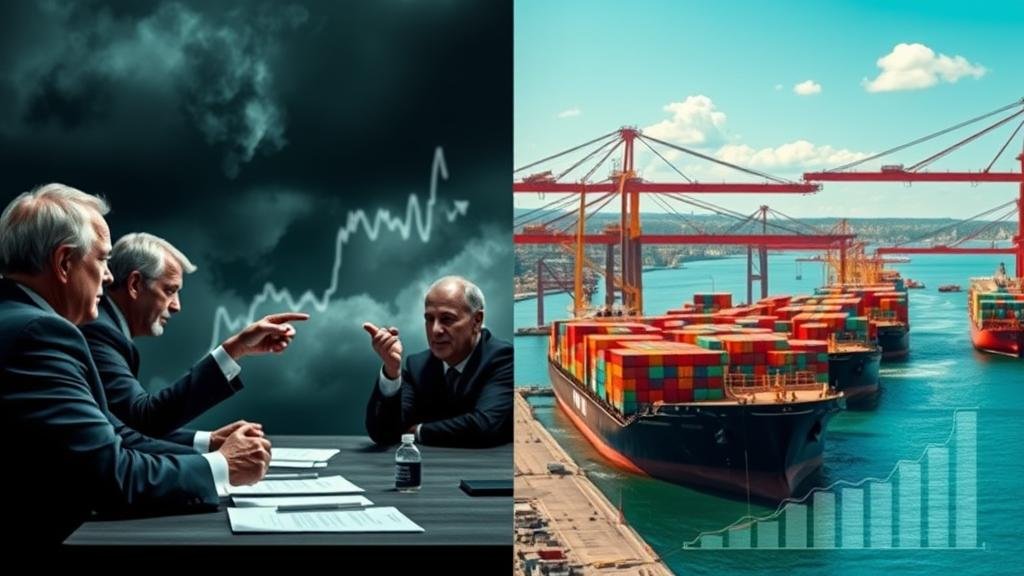
On one side, you have the political drama, playing out like a spy thriller finale. Headlines scream about trade wars, tariffs, and a rivalry that could curdle milk. Washington talks endlessly about bringing jobs back home and cutting China out of the picture. It’s all very doom and gloom, painting a picture of a world undergoing deglobalization.
But then you look at the economic data, and… record scratch. China’s trade surplus recently topped $1 trillion in a single year. That’s a trillion with a “T.” My 7-year-old asked if that’s more than all the V-Bucks in Fortnite. Yes, son. Yes, it is. While trade with the US has become more complex due to tariffs, the rest of the world has been hitting “add to cart” with gusto. This isn’t a conspiracy; it’s just that the global economy is far more intricate than a political soundbite. While the US is trying to buy less, other countries are happily stepping up, showcasing a significant reshaping of globalization.
The Diversification of Trade: China’s on a World Tour
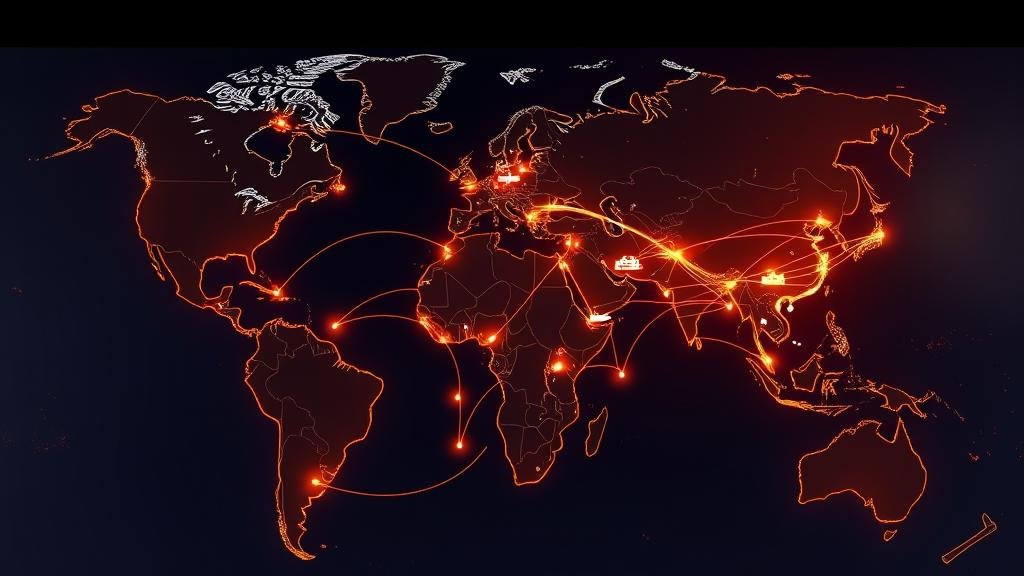
So, if the US is swiping left, China isn’t just sitting at home eating ice cream. It’s on a world tour, finding new dance partners in Southeast Asia, Latin America, and Africa. These regions are seeing a flood of Chinese goods because, frankly, they’re affordable and available.
This isn’t a random rebound. It’s a long-term strategy. You’ve probably heard of the Belt and Road Initiative—think of it as China building a bunch of really, really nice freeways directly to new customers. It paves the way (literally) for a global trade network that doesn’t hinge on one high-drama relationship, effectively reshaping global supply chains. For businesses, this is either terrifying or exhilarating, a clear sign that you can’t put all your exports in one basket.
The Resilience of Supply Chains: A Gloriously Sticky Situation
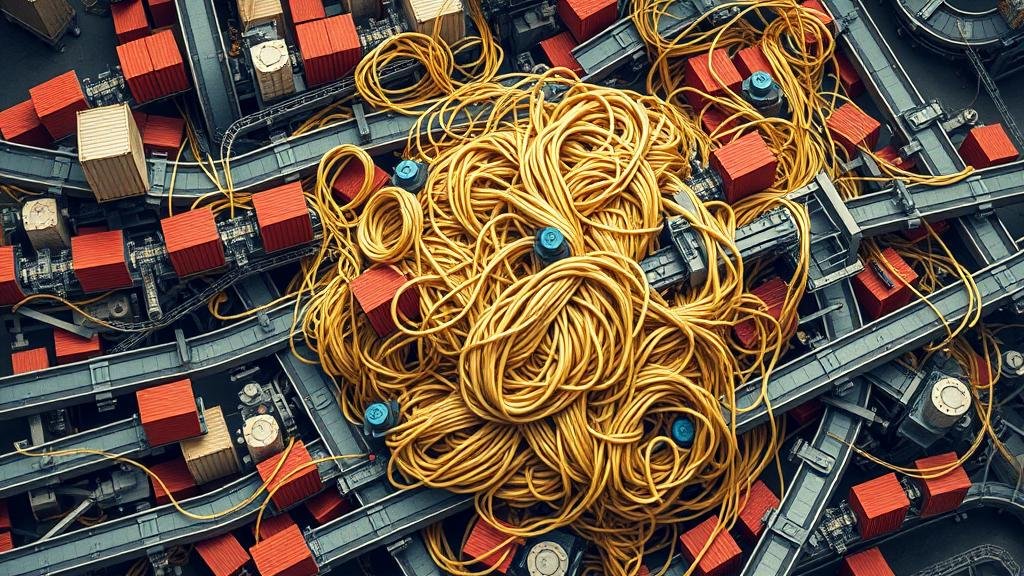
Hot take: a full “US-China decoupling” was never going to happen. Why? Because the global supply chain is less like a neat Lego set and more like a plate of spaghetti dropped on the floor. It’s a tangled, sticky, and interconnected mess—a testament to supply chain resilience.
Even with tariffs, many US companies have run the numbers and realized it’s still cheaper to get parts from China. Think about your smartphone. Its journey from raw materials to your pocket is a world tour that almost certainly makes a major stop in China’s manufacturing hubs. Replicating that ecosystem is ridiculously hard and expensive. Chinese companies are also getting clever, moving final assembly to places like Vietnam to sidestep tariffs or investing in R&D to make products you can’t get anywhere else. They’re playing chess, not checkers.
So, What Does This All Mean?
The big takeaway is that the world is more complicated—and resilient—than headlines suggest. First, money talks louder than political posturing. The economic forces, like China’s manufacturing prowess, that pull countries together are incredibly powerful.
Second, the winners in this new era are the adaptable. The thriving companies are nimble enough to pivot faster than a TikTok trend, finding new markets and new ways of doing things. The old playbook is obsolete.
Finally, this is a masterclass in nuance. The narrative of “deglobalization” is simple and scary, but it’s not what’s happening. We’re seeing a re-shaping of globalization. For businesses, the message is clear: don’t build your strategy around soundbites. Build a business that’s as adaptable as a chameleon at a rave, because the global economic party, while weird, is definitely not over.