The Tense Triangle: Navigating the US-China-Japan Standoff Over Taiwan
The Indo-Pacific is currently the stage for a high-stakes geopolitical drama, with the US, China, and Japan as the main actors in a tense triangle that has significant implications for global stability. At the heart of this tension lies the unresolved issue of Taiwan’s political status, a flashpoint that could ignite a broader conflict with far-reaching consequences.
The Catalyst: Japan’s Recalibration on Taiwan
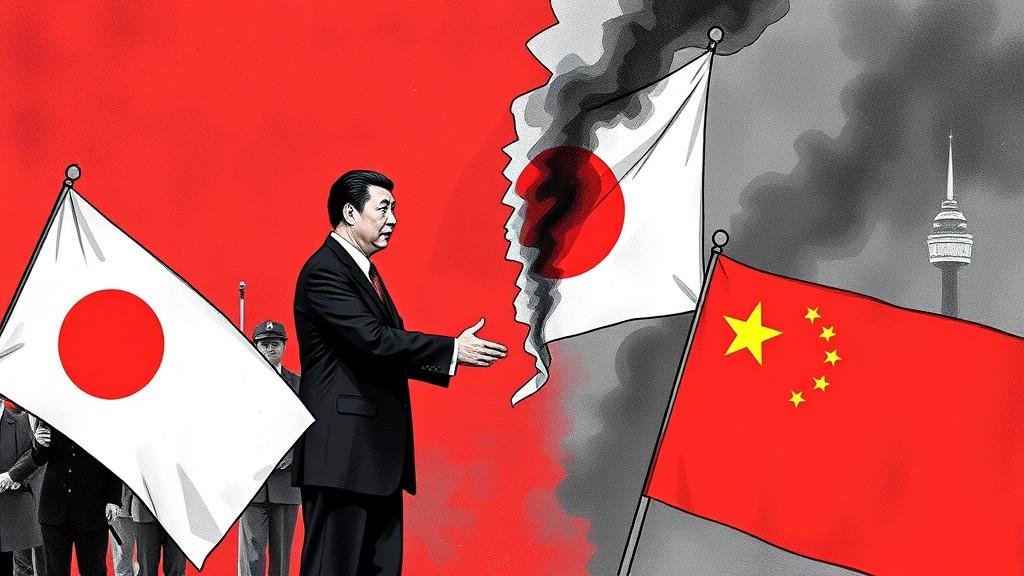
The recent diplomatic spat was ignited by comments from Japanese Prime Minister Sanae Takaichi regarding Taiwan. While not a formal policy shift, the timing and tone of her statements, which emphasized Japan’s security concerns in the region, were perceived as a significant departure from Tokyo’s traditionally cautious stance. For decades, Japan has adhered to the “One China” policy, officially acknowledging Beijing’s position, while unofficially maintaining robust economic and security ties with self-governing Taiwan. Takaichi’s remarks, however, signaled a more assertive posture, particularly in light of China’s increasing military assertiveness in the Taiwan Strait. This move has predictably drawn the ire of Beijing, escalating the already fragile US-China-Japan geopolitical tensions.
Beijing’s Retaliation: A Campaign of Coercion
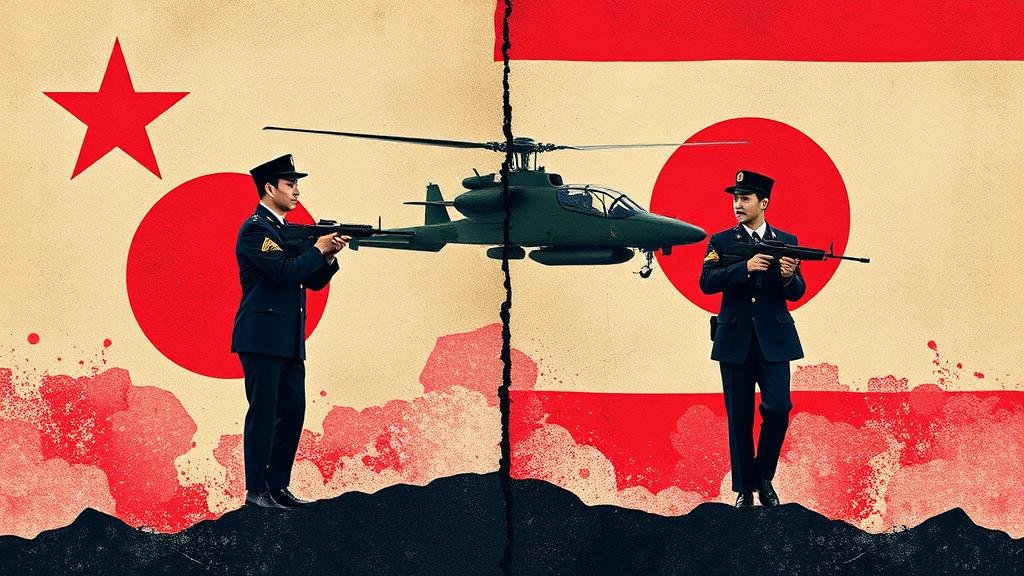
China’s response to Japan’s perceived provocation has been swift and multi-faceted, employing a range of diplomatic and economic tools to express its displeasure. Beijing has lodged furious diplomatic protests, accusing Japan of interfering in its internal affairs and violating the principles of their bilateral relationship. Economically, China has issued travel advisories, a move calculated to inflict pain on Japan’s tourism-dependent economy. Furthermore, Beijing has launched a campaign to rally international support, reportedly engaging with Western powers to remind them of Japan’s historical aggressions. This aggressive reaction underscores China’s unwavering position on Taiwan and its willingness to use coercive measures to enforce its claims, creating a volatile environment that threatens to spiral into a full-blown China-Japan diplomatic crisis.
Japan’s Dilemma: Balancing Economic Interests and Security Imperatives
The escalating Taiwan tensions have placed Japan in a precarious position, caught between its largest trading partner and its most significant security threat. The Japanese economy is heavily reliant on trade with China, but the country’s national security is intrinsically linked to the stability of the Indo-Pacific. Nearly all of Japan’s energy imports and a substantial portion of its trade pass through the waters surrounding Taiwan. Any disruption to these critical sea lanes would have devastating consequences for Japan’s economy, making the prospect of a conflict in the Taiwan Strait a matter of existential concern. Consequently, Japan is increasingly looking to the United States to provide a security backstop and deter Chinese aggression, reinforcing the importance of the US-Japan alliance as the cornerstone of regional security.
The US Conundrum: The Future of Strategic Ambiguity
This complex dynamic has forced the United States to confront the limitations of its long-standing policy of “strategic ambiguity” on Taiwan. This policy, which intentionally leaves it unclear whether the U.S. would intervene militarily to defend Taiwan, has been a key factor in maintaining peace in the region for decades. However, with China’s growing military power and assertiveness, there is a growing debate in Washington about whether this policy is still tenable. Proponents of a more explicit security guarantee for Taiwan argue that it is the only way to deter a Chinese invasion, while opponents fear that it could provoke the very conflict it is intended to prevent. Japan’s call for a more vocal U.S. stance adds another layer of complexity to this dilemma, as Washington must balance the need to reassure its allies with the risk of escalating tensions with Beijing.
The Ripple Effect: Global Economic and Market Implications
The geopolitical standoff in the Indo-Pacific has significant implications for the global economy and financial markets. A conflict over Taiwan would trigger massive supply chain disruptions, particularly in the semiconductor industry, as Taiwan is a leading producer of the world’s most advanced microchips. The resulting market volatility would likely lead to a global recession, with a spike in trade costs and a significant downturn in economic activity. The potential for a geopolitical showdown in the region is a stark reminder of the interconnectedness of the global economy and the far-reaching consequences of a breakdown in diplomatic relations.
The Road Ahead: A Tense and Uncertain Future
The situation in the Indo-Pacific remains tense and unpredictable. Key developments to watch include:
-
➤
Washington’s next move: Any shift in the U.S. policy of strategic ambiguity will have a profound impact on the region. -
➤
China’s continued assertiveness: Beijing’s actions in the coming months will be a key indicator of its long-term intentions. -
➤
Japan’s diplomatic maneuvering: Tokyo’s efforts to balance its economic and security interests will be a critical factor in shaping the future of the region.
The delicate balance of power in the Indo-Pacific is at a critical juncture. The world watches with bated breath as the US, China, and Japan navigate this complex and perilous geopolitical landscape. The decisions made in the coming months will have a lasting impact on global peace and prosperity. Stay informed, as the situation is likely to evolve rapidly.