US-China Tech Trade: Export Ban Reversed on AI Chips with a 25% Twist
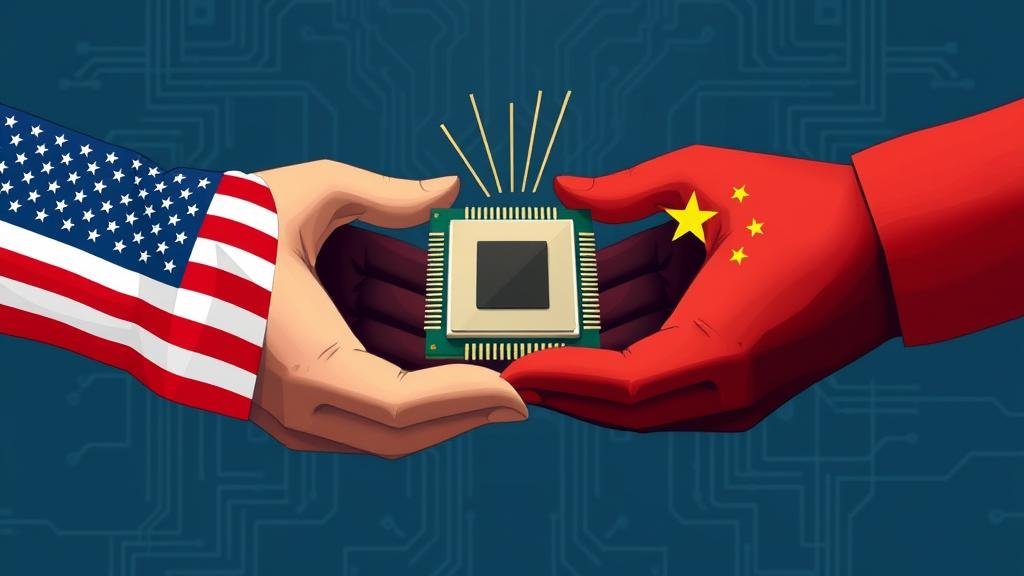
In a surprising reversal, the President has lifted the export ban on high-tech semiconductor chips to China, a significant shift in the US-China tech trade landscape. This move, however, comes with a major caveat: a 25% fee on all sales, adding a new dimension to the ongoing trade war.
End of the Export Ban: What’s New?
Previously, the U.S. government restricted the export of advanced semiconductors to China, citing national security concerns. These powerful AI chips are crucial for everything from consumer electronics to advanced military modernization. This export ban significantly impacted American chipmakers like Nvidia and AMD, cutting them off from a massive market.
Now, the policy has been completely overhauled. Companies like Nvidia have the green light to resume selling their advanced hardware, including the highly sought-after H200 AI processors, to China. This suggests a pivot in strategy, where economic interests may be taking precedence over previous security concerns.
The 25% Fee: A New Economic Strategy
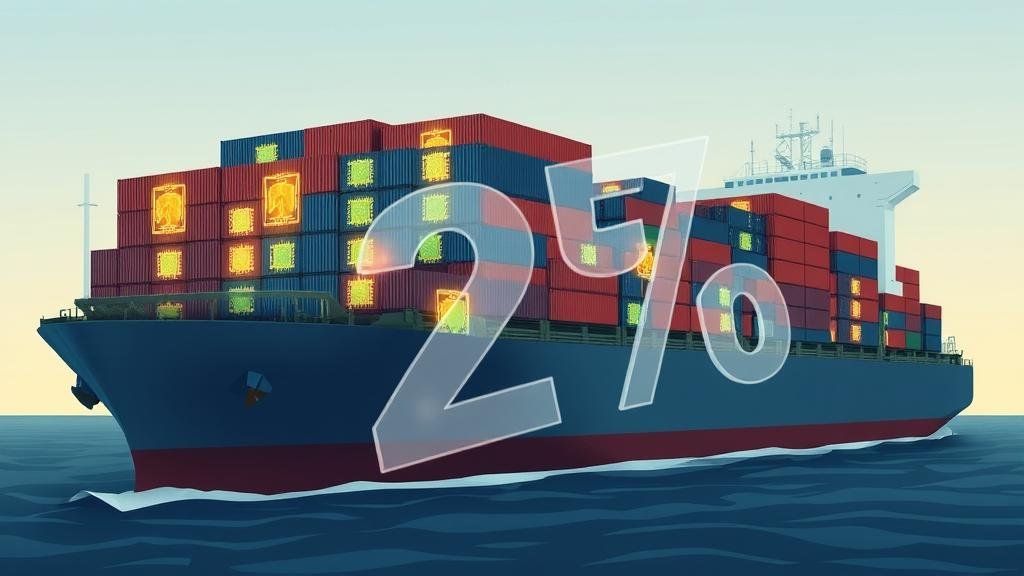
The most significant part of this new policy is the 25% fee the U.S. will collect on all semiconductor sales to China. This “tax” is a bold economic maneuver, essentially a finder’s fee for accessing the lucrative Chinese market.
Supporters argue this will generate substantial revenue and help level the playing field in the US-China tech trade. However, critics worry this could escalate the trade war, leading to retaliatory measures from China and increased costs for consumers. This high-stakes strategy could redefine the economic relationship between the two global powers, but its success remains to be seen.
Impact on the Chipmaking Industry
For chipmaking giants like Nvidia, Intel, and AMD, this is a double-edged sword. On one hand, the reopening of the Chinese market is a massive opportunity for growth. On the other, the 25% fee will significantly impact their profit margins.
The key question is whether the increased sales volume will be enough to offset the hefty fee. The industry will be closely watching to see how this affects stock prices and future investment in chipmaking technology.
The Geopolitical Chess Match
This policy shift is more than just an economic decision; it’s a major move in the geopolitical chess match between the U.S. and China. Allowing AI chip exports acknowledges the deep economic entanglement of the two nations.
However, the original national security concerns haven’t disappeared. The risk is that China could leverage this technology for its military modernization efforts, creating a long-term strategic challenge for the U.S. This decision is a gamble, weighing immediate economic benefits against potential future security risks.
What to Watch for Next
As this new policy unfolds, here are the key developments to watch:
- China’s Response: Will Beijing accept the 25% fee, or will it retaliate with its own trade measures, escalating the trade war?
- Wall Street’s Reaction: How will investors react to the news? Will chipmaking stocks from companies like Nvidia and AMD rise on the promise of new markets, or will the 25% fee cause them to fall?
- The Future of the Trade War: Could this be a step toward de-escalation in the US-China tech trade, or will it trigger a new round of conflict?
This is a complex and fascinating development with major implications for the global tech industry and international relations. Stay tuned as we continue to break down the a high-stakes, and frankly, fascinating development. It’s got more twists than a Netflix thriller, and while we can’t predict the future (my crystal ball is in the shop), we can promise to keep explaining it to you in a way that doesn’t require a Ph.D. in economics. You’re welcome.