US-China Trade in 2024: Why Commerce Trumps Conflict
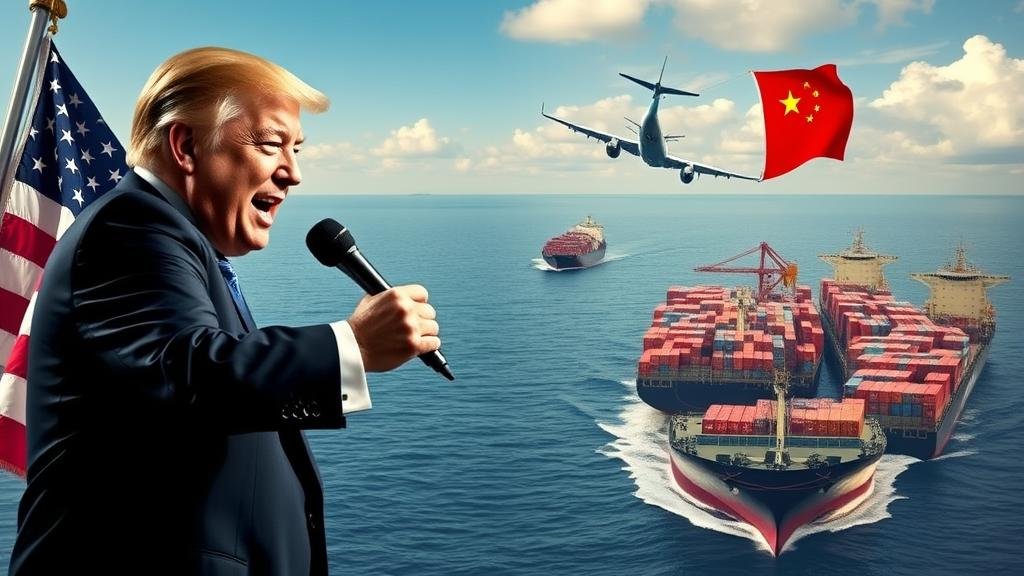
A Tale of Two Narratives: Politics vs. Global Commerce
Let’s be real: listening to the news about the US-China trade relationship sounds like watching two relatives argue over the last slice of pie. Tense, right? From tariffs and tech showdowns, you’d think the two countries had blocked each other on all social media.
And yet, if you peek behind the curtain of political drama, you’ll find them quietly exchanging… a whole lotta stuff.
Now, before your eyes glaze over, let’s break down the trade data 2024. The US imported a whopping $461.4 billion in goods from China, while China bought $199.3 billion from the US. Yes, that’s a trade deficit of $262.2 billion. But the sheer volume shows that these two economies are still deeply connected.

The Agricultural Lifeline: Soybeans and Beyond
If this trade relationship were a buddy cop movie, the American Farmer would be the grizzled veteran who just can’t quit the force. And his partner? A massive, soybean-obsessed market called China.
Despite all the political huffing and puffing, China’s demand for American agricultural exports is the stuff of legend. A recent deal essentially locked in the sale of millions of metric tons of soybeans annually.
For China, it’s about feeding its people and livestock—a non-negotiable part of national security. For the US, it’s about supporting millions of jobs. This isn’t just about soybeans, either—we’re talking corn, pork, and a whole barnyard of other goods. It’s a classic case of mutual economic need.

Beyond the Farm: The Booming Business of Services
Okay, we’ve covered the stuff you can grow. Now for the invisible stuff that’s making bank. Global services exports hit $8.8 trillion in 2024, and the US-China relationship is a big piece of that pie.
Here’s the cool part:
- Transport and Logistics: All those soybeans don’t exactly swim to China. American companies are the masterminds making sure everything gets from Point A to Point B.
- Financial Services: As Chinese companies go global, they’re turning to US firms for everything from investment banking to just figuring out how to get paid.
- Information and Communications Tech (ICT): Despite a “tech war” more dramatic than a Real Housewives reunion, the trade in software, cloud computing, and consulting is still humming along.
- Business Services: This is the “everything else” bucket. The lawyers, accountants, and consultants you call when you’ve made a glorious, international mess.
It’s not just about stuff anymore; it’s about smarts. Brains are the new soybeans.
Navigating the Challenges: A Path Forward
Alright, let’s not get too carried away. The political tension is real, and it can throw a wrench in the gears. Tariffs and sanctions are the business equivalent of a surprise pop quiz.
So what’s a savvy business to do?
- Diversify Supply Chains: Don’t put all your eggs in one basket. Smart companies are looking for other places to source things, just in case.
- Stay Abreast of Regulatory Changes: This is the “read the instructions” part of the relationship. It’s boring, but it’s less boring than getting fined into oblivion.
- Focus on Value and Innovation: Basically, be so good they can’t ignore you. It’s hard to cut ties with someone who has something you desperately need.
The Bottom Line: Intertwined Economic Destinies
So, what have we learned today? That in our wild, interconnected world, the economy often plays by its own rules, completely ignoring the political shouting match on TV.
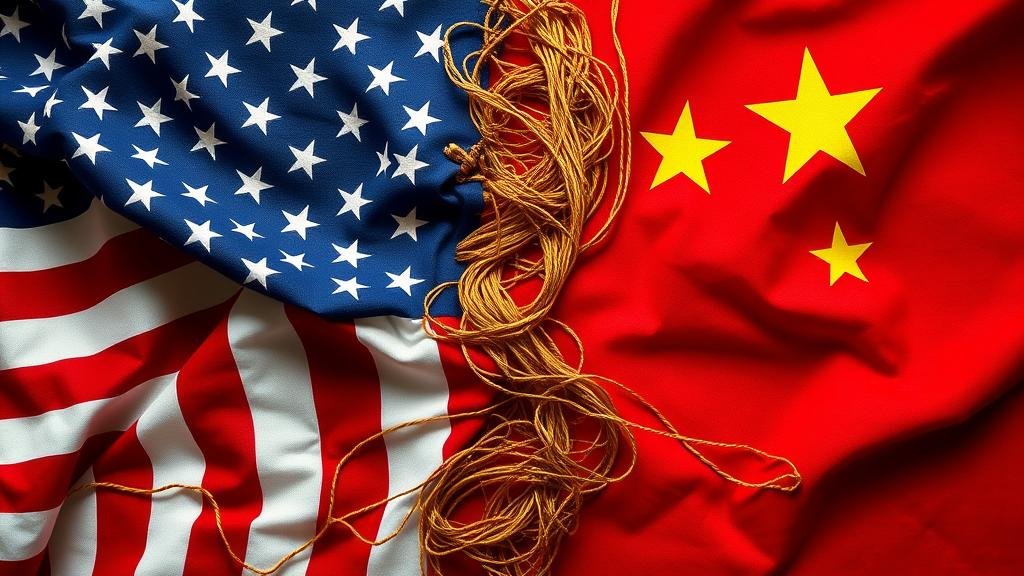
The US-China story is a powerful reminder that despite the drama, the economic destinies of these two superpowers are tangled up like an old pair of headphones. And as we keep watching the numbers, one thing is clear: the unstoppable beat of global commerce is a song that’s just too catchy to turn off.