The $12 Billion US Farm Bailout: A Lifeline for Farmers in the US-China Trade War
The Root of the Problem: Tariffs and the US-China Trade War
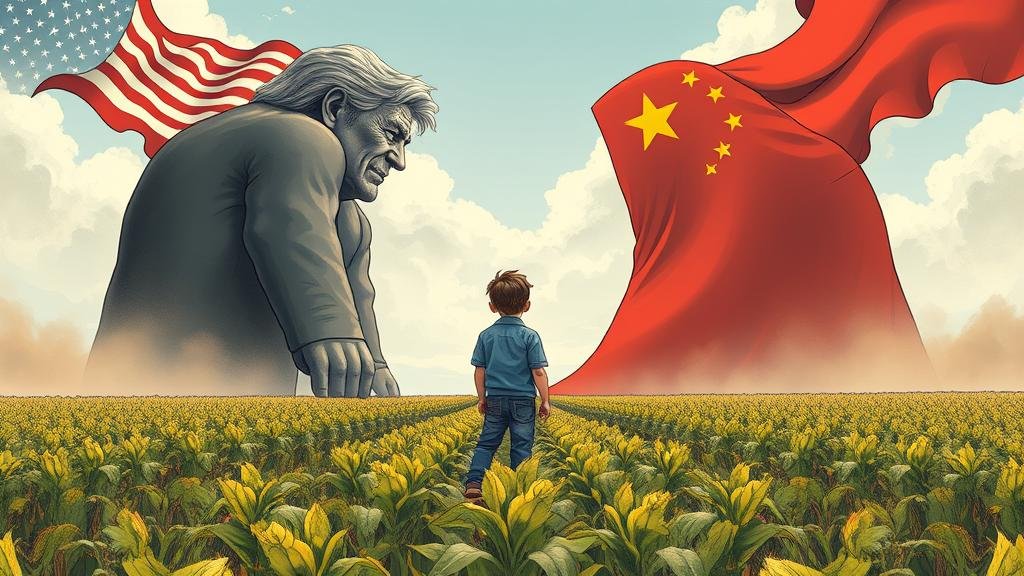
To understand the US farm bailout, you first have to understand the international trade dispute that caused it. The Trump administration imposed tariffs on Chinese goods, and China retaliated by targeting American agricultural products. This action specifically hurt American farmers, who saw their biggest customer for goods like soybeans disappear overnight.
The fallout from this trade war was immediate and severe for the agricultural sector:
- Plummeting Commodity Prices: With a sudden surplus of crops like soybeans, commodity prices tanked, leaving farmers with a harvest they couldn’t sell at a profitable price.
- Loss of Market Share: As the US and China engaged in this trade dispute, other countries like Brazil and Argentina stepped in to fill the void, leading to a significant loss of market share for American farmers.
- Massive Financial Strain: The sudden drop in income put farmers under immense financial strain, as many operate on tight margins and rely on credit to get from one season to the next.
Unpacking the Bailout: The Government’s $12 Billion Aid Package
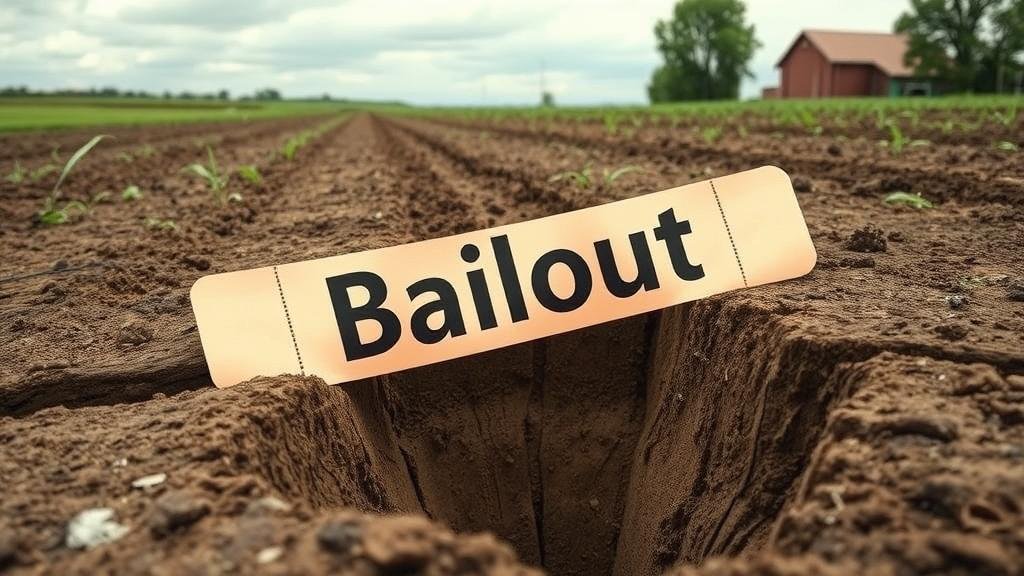
In response, the government introduced a $12 billion farm bailout package. This wasn’t a single check but a multi-faceted approach to address the crisis:
1. Direct Payments to Producers
A significant portion of the funds went directly to farmers, particularly those growing crops like soybeans, corn, and wheat, as well as pork and dairy producers. These direct payments were designed to supplement the income lost due to the trade war.
2. Government Purchase of Surplus Commodities
The government also purchased surplus commodities, including fruits, nuts, and dairy products. This move helped stabilize prices and provided food for nutrition programs and food banks across the country.
3. Trade Promotion and Market Development
A smaller part of the bailout was allocated to trade promotion, with the goal of helping US farmers find new international markets for their goods. This was a long-term strategy to diversify and reduce reliance on a single buyer.
The View from the Farm: “We Want Trade, Not Aid”
The reaction from farmers was mixed. While the financial assistance was a necessary lifeline, many in the agricultural sector expressed a preference for open trade over government aid. They are business owners who would rather earn their money from the global market than receive a government handout. The concern was that the bailout was a temporary fix for a much larger problem.
Broader Economic Implications: Who Pays the Tab?
The $12 billion for the farm bailout came from taxpayers. Proponents of the bailout argued that the cost of inaction would have been far greater. A collapse of the farm sector could have triggered a broader rural recession, leading to widespread economic instability. From this perspective, the bailout was a necessary expense to protect a vital part of the American economy.
The Road Ahead: A Band-Aid on a Trade Wound
Ultimately, the US farm bailout was a short-term solution to a problem that required a long-term fix. While it prevented a wave of bankruptcies and eased the financial strain on American farmers, it didn’t solve the underlying issue. The real solution lay in resolving the trade war and re-establishing stable, predictable trade relationships.
The bailout served as an expensive Band-Aid, but the long-term health of the agricultural sector depends on a return to open and fair global markets.