US Farmers, Trade Wars, and a Government Bailout: A Really Expensive Band-Aid?
In the heart of America’s breadbasket, a storm has been brewing, and it has nothing to do with the weather and everything to do with something called a “trade war.” My 7-year-old asked if that’s where countries throw fruit at each other. Honestly? Not the worst explanation I’ve heard.
The nation’s US farmers, long the symbol of American grit and early-morning coffee, found themselves on the front lines. The government’s cage-match approach to trade deals with countries like China triggered retaliatory moves from our biggest customers, leaving farmers with a whole lot of crops and a whole lot of IOUs. The resulting financial panic prompted the government to ride in on a white horse carrying a multi-billion dollar government bailout package. But is it a heroic rescue or just a really, really expensive band-aid? Let’s dig in. You feel me?
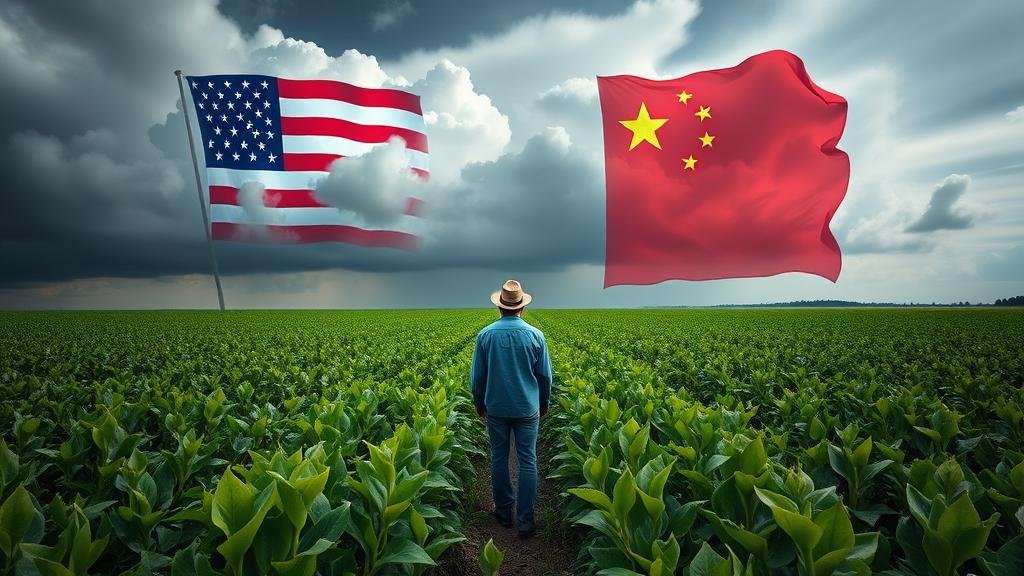
The High Cost of Tariffs on the American Farmer
To get why a bailout was even on the table, you first have to understand the plan. The Big Idea™ behind the tariffs was to play hardball with other countries to protect American industries and get better deals. For US farmers who rely on selling their stuff overseas, however, the immediate result was like having their biggest customers suddenly block their number.
*Cue dramatic pause.*
Countries like China, Mexico, and Canada—who historically bought our agricultural goods by the boatload—responded with their own tariffs. This tit-for-tat game effectively slammed the door on markets that farmers had spent decades building. In layman’s terms: we slapped them, so they slapped us right back, and the farmers got caught in the middle. One report noted that farmers were “slammed by reductions in foreign purchases.” “Slammed” is a nice word for it. “Economically clotheslined” feels more accurate.
Soybean farmers got hit particularly hard. China, the undisputed world champion of soybean consumption, basically ghosted American producers and started buying from Brazil and Argentina instead. This sent soybean prices into a nosedive, leaving many farmers with a surplus of crops and an income that looked like my last diet attempt—a total failure. Pork, corn, wheat, and dairy producers all got a similar Dear John letter from their international buyers.
The financial strain was real. Like, “Googling ‘how to sell a kidney’ on a Tuesday afternoon” real. Many farmers were already operating on razor-thin margins, and this pushed them to the brink.
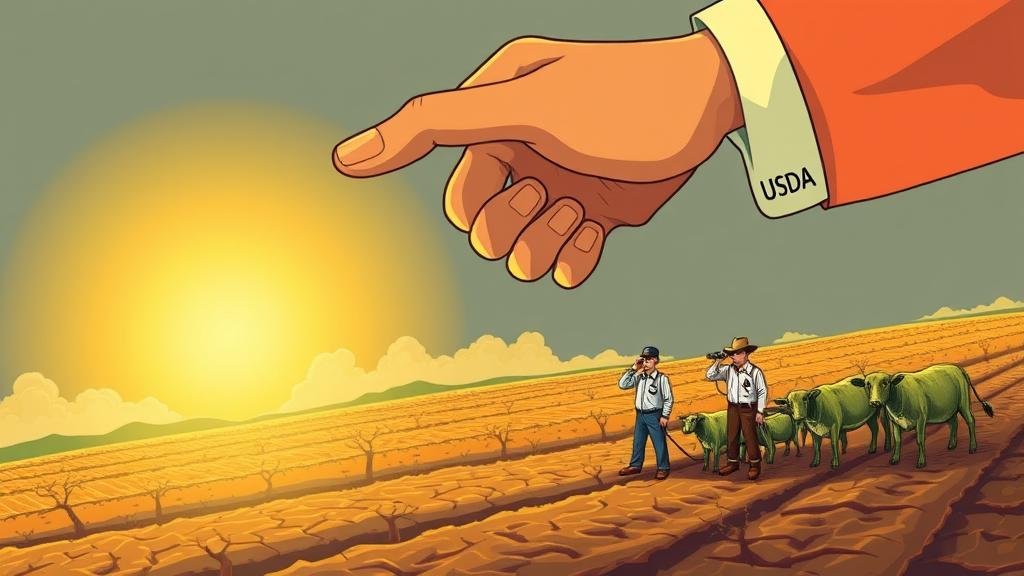
The Bailout: A Lifeline for a Struggling Sector
In response to the five-alarm fire in the agricultural sector, the White House rolled out a massive bailout package. Now, before your eyes glaze over like a Krispy Kreme, let’s talk numbers. The first announcement was for a cool $12 billion in aid. Yes, that’s billion with a “B,” as in, “Boy, I wish my dad gave me that kind of allowance.”
This program, run by the U.S. Department of Agriculture (USDA), wasn’t just a one-and-done deal. As the trade disputes dragged on, more rounds of funding followed. The goal was to give farmers a temporary lifeline—a way to pay their bills and keep the lights on while the grown-ups in Washington tried to make friends again.
The USDA didn’t just toss cash out of a helicopter (though that would’ve been a sight). They calculated payment rates based on how badly each commodity was hit, which is a fancy way of saying soybean farmers got the biggest slice of the pie. Think of it as a financial tourniquet—meant to stop the bleeding while everyone figured out how to, you know, not get shot in the first place.
Is the Bailout Enough?
Hot take coming in 3…2…1…
Is a giant pile of cash the solution? Well, yes and no. While the aid was a godsend for many farmers, it also raised a few eyebrows.
For one, critics pointed out that the government bailout is essentially a taxpayer-funded solution to a government-created problem. It’s like setting your own house on fire and then calling the fire department and expecting a round of applause. The argument is that the real fix is to resolve the trade disputes and reopen the markets we lost.
Then there’s the awkward long-term stuff. Some experts worry the bailout could get farmers hooked on government checks, creating a cycle of dependency. It’s like paying your kid to keep practicing the recorder even though the neighbors have filed three noise complaints and the dog has run away. It might encourage overproduction of crops that no one is actually buying.
There’s also the question of fairness. Did the aid reach the farmers who needed it most? Reports suggested some giant mega-farms got a hefty slice of the pie, while the smaller, family-owned farms—the ones you picture when you hear “American farmer“—were left fighting for crumbs. Still reading? Wow. You’re officially my favorite.
Finally, there’s us. The taxpayers. This whole thing is funded by you and me, which has sparked a debate about whether it’s fair to use public money to clean up a mess from a policy brawl.
The Road Ahead for American Agriculture
The bailout was a crucial life raft for farmers caught in the crossfire. But you can’t live on a life raft forever. Eventually, you need to find dry land.
The future of American farming depends on its ability to compete globally. That means rebuilding trust and market share in a world that’s learned to get its soybeans elsewhere, especially with major players like China. Rebuilding those relationships is like trying to win back an ex you publicly insulted. It’s gonna take more than a text message and a bouquet of flowers.
Here at Creditnewsinsider, we believe a healthy farm sector is vital. The bailout was a patch, but it’s not a cure. The long-term health of US farmers will depend on a return to stable, predictable trade, and policies that support our farmers’ ability to feed the world without needing a government-issued allowance. The challenges are huge, but so is the resilience of the American farmer. And yes, that last part might be on the test.