US-Iran Conflict: How Middle East Tensions Affect Your Wallet
The geopolitical drama in the Middle East is heating up, and this latest episode of the long-running US-Iran conflict has significant implications for global stability and your wallet. The United States has increased its military presence in the region, prompting a defiant response from Iran and heightening Middle East tensions. This isn’t just a distant political spat; it’s a high-stakes standoff with a direct economic impact that could ripple across the globe.
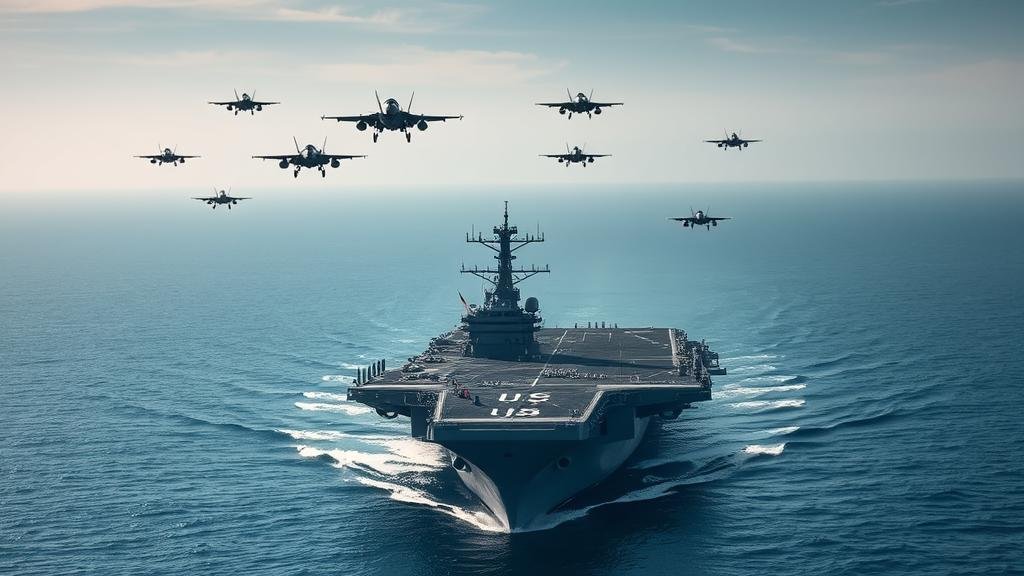
The US Military Buildup: A Show of Force
In a strategic move to deter aggression, the U.S. has been bolstering its military assets in the region. A key component of this is the deployment of aircraft like the U.S. KC-135 Stratotankers. These flying gas stations are force multipliers, extending the range and patrol times of fighter jets and bombers. This “deterrence by presence” is a clear message aimed at preventing any disruption in crucial shipping lanes, especially the Strait of Hormuz, a vital chokepoint for global oil trade.
The American strategy includes:
- Increased Air Power: A stronger air presence to control the skies.
- Expanded Naval Footprint: More warships to secure sea lanes and project power.
- Enhanced Surveillance: Advanced drones and spy planes to monitor Iran and its proxy groups in Iraq, Syria, and Yemen.
This calculated buildup is designed to pressure Iran into inaction and maintain regional stability.
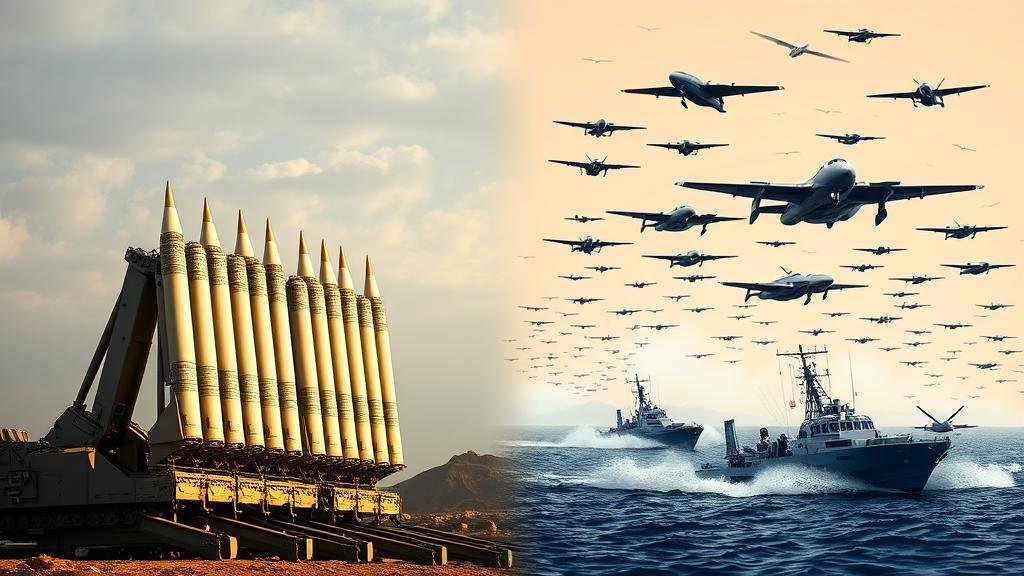
Iran’s Response: Defiance in the Face of Sanctions
Iran’s reaction to the increased U.S. military presence has been predictably aggressive. Economically strained by years of Iran sanctions, Tehran’s leadership is responding with threats of a “crushing” retaliation. From their perspective, the new sanctions targeting their defense programs are an act of provocation. This desperation could lead to more aggressive, not less, behavior.
Iranian state media has been quick to point out that U.S. bases in the region are within range of their missile systems, a stark warning to both the U.S. and its regional allies. How could Iran retaliate?
- Asymmetric Warfare: Lacking the conventional military might to challenge the U.S. directly, Iran relies on guerrilla tactics like fast boats, drone swarms, and cyberattacks.
- Proxy Groups: Iran’s network of armed proxy groups, such as Hezbollah and the Houthis, allows it to exert influence and maintain plausible deniability.
- Missile Capability: Iran has invested heavily in ballistic and cruise missiles. While their accuracy is debated, their range is a significant threat, and even a single strike would represent a major escalation of the US-Iran conflict.
A cornered and unpredictable regime with a formidable arsenal of rockets poses a significant threat to global stability.

The Economic Impact: Why the US-Iran Conflict Matters to You
The connection between the geopolitical maneuvering in the Persian Gulf and your personal finances is direct and significant. The primary channel of this economic impact is oil prices. The Middle East is the world’s primary source of oil, and any threat of conflict in the Strait of Hormuz can cause crude oil prices to spike. This translates to higher prices at the gas pump for consumers worldwide.
Beyond fuel costs, a conflict could disrupt global supply chains, delaying the delivery of goods and creating widespread economic chaos. Furthermore, financial markets are notoriously averse to uncertainty. An escalating US-Iran conflict would likely see investors move away from stocks and toward “safe-haven” assets, potentially impacting your investment portfolio and 401(k).
A Tense Path Forward
The current situation is a delicate and dangerous standoff. The U.S. military buildup is intended as a deterrent, but for a paranoid Iranian regime, it could be seen as a provocation. The public posturing on both sides has left little room for a graceful de-escalation, and one misstep could lead to a full-blown conflict.
In today’s interconnected world, the drums of war in a distant region can have immediate and tangible effects on the global economy. Staying informed about the US-Iran conflict and its potential economic impact is no longer just for policy experts; it’s a crucial aspect of financial self-defense.