Geneva Jitters: US Mixed Signals on Ukraine Peace Talks Could Derail Everything
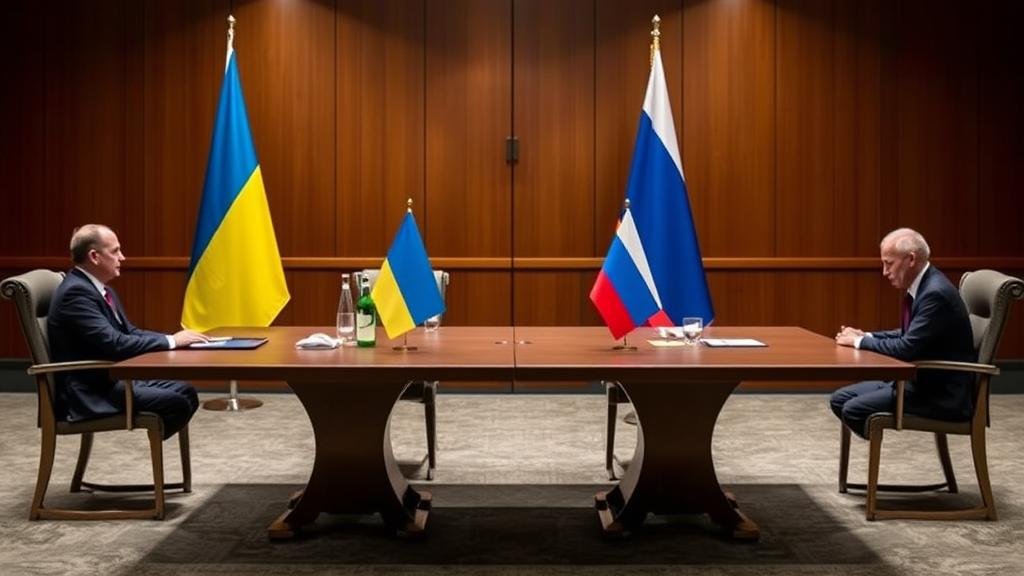
Ah, Geneva. The Switzerland of… well, Switzerland. It’s where the world goes for a very serious, very quiet chat, usually after a very loud, very not-quiet disagreement. It’s like the principal’s office for entire countries. This time, the topic is the Russia-Ukraine war, and whispers of a Ukraine peace plan are buzzing around like a fly you just can’t swat.
The only problem? The lead-up to this diplomatic Super Bowl feels less like a coordinated game plan and more like two coaches screaming different plays at a very confused quarterback. The stakes are sky-high—a chance to end the war or a spectacular failure that could make things even worse. Let’s be real, the foundation for these Geneva talks is looking wobblier than my uncle after his third eggnog at Christmas.
A Tale of Two Narratives: The Shifting Sands of the US Position
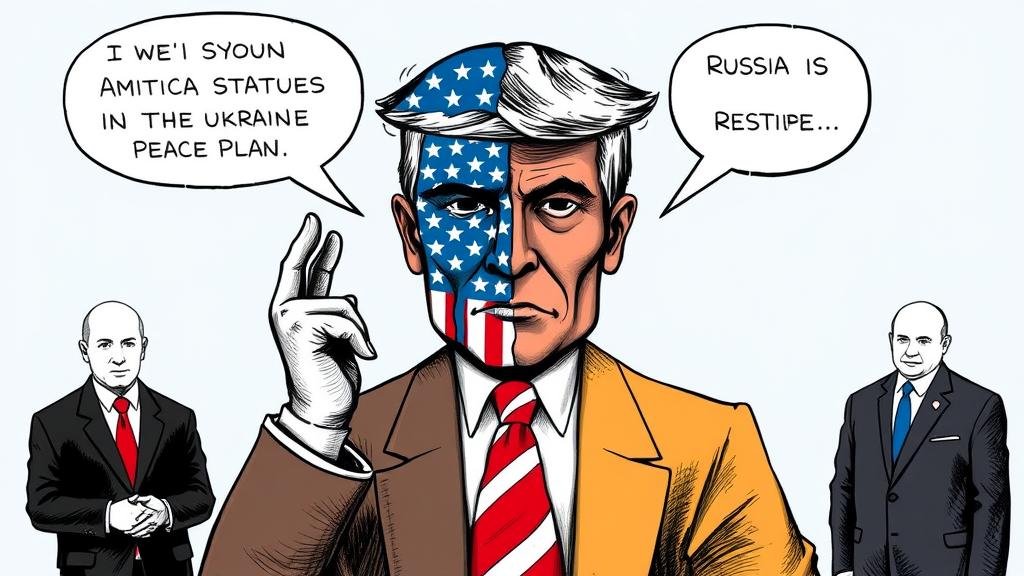
Trying to pin down the US position right now is like trying to nail Jell-O to a wall. Reports are flying around Washington, creating a diplomatic soap opera that would give The Bold and the Beautiful a run for its money. It seems there are two completely different scripts for the US-Russia Ukraine peace proposal being passed around.
On one side, we have Trump’s plan to end the war, which Senator Marco Rubio called a “wish list” for the Russians. This is the diplomatic equivalent of asking your boss for a raise, a corner office, a four-day work week, and a personal masseuse. It reportedly involves Ukraine making some major concessions, like potentially recognizing Russian territorial gains. The fear here is that it’s less of a peace plan and more of a “congratulations on the successful invasion” gift basket.
Then, from the other side of the aisle—or planet—Ukrainian President Zelensky is talking about working with the US on a “real” and “principled” path to peace. You feel me? This sounds less like a surrender document and more like, you know, actual diplomacy that respects things like sovereignty and international law. It’s the kale salad of peace plans versus the deep-fried everything platter.
Basically, Washington is sending more mixed signals than a teenager with a new crush. And yes, this US ambiguity will be on the test.
The Ukrainian Perspective: Caught in the Crosscurrents
Now, imagine you’re Ukraine in this scenario. You’re fighting for your life, and your biggest, most powerful ally starts acting… weird. President Zelensky is out here trying to juggle chainsaws while walking a tightrope over a shark tank, all while projecting calm. He’s open to talks, but he’s not about to sign away the farm for a deal that smells funky.
And this isn’t just about high-level politics. An AP News piece captured the “anguish across Ukraine” over the idea of a post-war amnesty for Russian forces. I know, we were just cracking jokes, but this part is heavy. Let’s be real for a sec. For a nation that has suffered unspeakable atrocities, the thought of simply forgiving and forgetting is a gut punch. It’s like someone burns down your house, and the firefighter suggests letting the arsonist go if they promise not to play with matches anymore.
For Ukraine, this isn’t a chess game. It’s their home, their families, and their justice. Remember that.
Why the Lack of Clarity Matters: The Ripple Effect of US Ambiguity
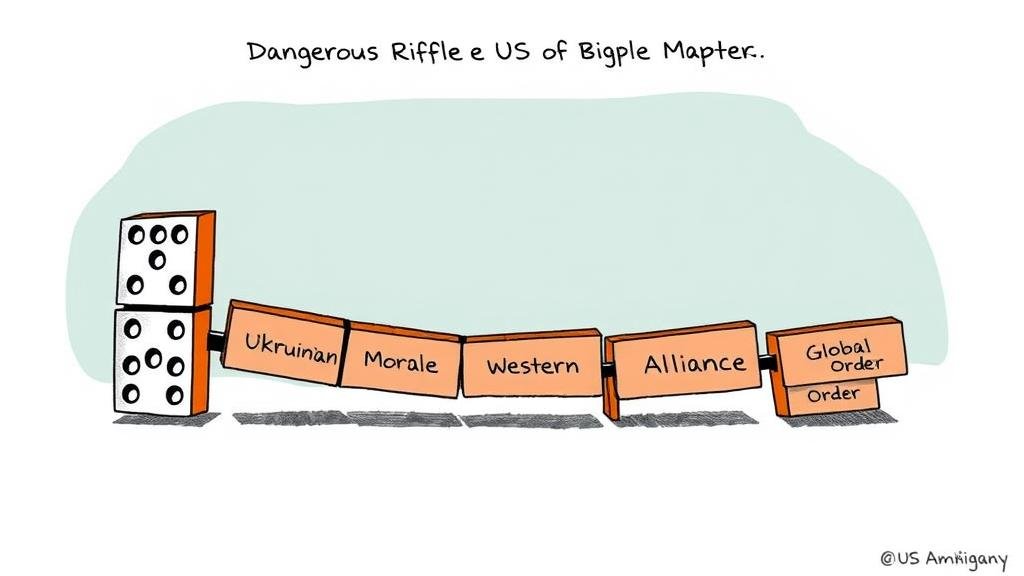
Hot take coming in 3…2…1: This US ambiguity isn’t just awkward; it’s dangerous. My 7-year-old could tell you that clear instructions are important, and he’s usually just trying to build a LEGO spaceship. Here’s why this matters:
- It tanks morale. Imagine you’re on the front lines, and you hear your main supplier of weapons and cash might be cooking up a deal behind your back. Not exactly a morale booster.
- It emboldens Russia. A divided US looks less like a formidable foe and more like an open invitation to push harder. It’s a sign of weakness, and in this geopolitical jungle, weakness gets you eaten.
- It weakens the whole squad. The West’s united front has been its superpower in this conflict. If the US starts going rogue, that superpower gets a big ol’ dose of Kryptonite, and the whole alliance starts to crack.
So yeah, the ripple effect is less “gentle pond” and more “tsunami.” Keep that in mind for your final exam, which is, you know, just reading the next section.
The Road Ahead: A Call for Clarity and Cohesion
As the diplomatic world packs its bags for the Geneva talks, this fog of confusion is helping exactly no one. Well, except maybe those who enjoy chaos and prolonged conflict. Look, I’m just a guy writing a blog (and telling dad jokes to my uninterested houseplant), but it seems pretty obvious that a clear, official, and unified US position is desperately needed.
The key takeaway is this: A high-stakes meeting is coming, but it’s being undermined by mixed signals from a key player. This leaves Ukraine in a terrible spot and makes everyone else nervous.
The world needs to see the United States speak with one voice—a voice committed to a peace built on principles, not a backroom deal scrawled on a napkin. The future of Ukraine, and maybe the whole “hey, let’s not reward countries for invading their neighbors” international order, kind of depends on it. No pressure.