US-Russia Peace Plan for Ukraine: A Diplomatic Disaster?
The world of international diplomacy can be as messy as a family dinner argument, but this time it’s not about pizza—it’s about a US-Russia peace plan for the Ukraine war. This week, Geneva is the dinner table, and the United States just dropped a surprise proposal that has left its allies, including Ukraine, feeling completely blindsided. The emergency meeting aims to determine if the Western alliance can survive this diplomatic fumble. Here at Creditnewsinsider, we know that geopolitical confusion makes markets nervous, so let’s break down this high-stakes situation.
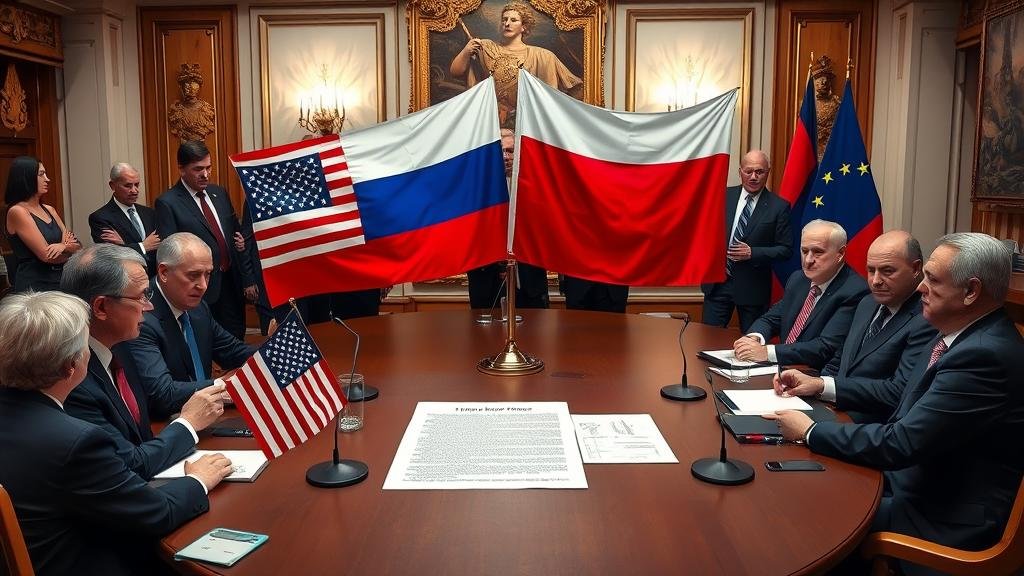
The Controversial Proposal: What’s the Deal?
The diplomatic chaos began with a US-Russia peace plan, reportedly driven by the Trump administration, intended to end the Ukraine war. While the exact details remain under wraps, the way it was announced sent shockwaves from Kyiv to Berlin. European officials were caught off guard, a major misstep in the delicate dance of international relations. The Western response has been built on a foundation of unity, with coordinated sanctions and aid. This unilateral move feels like the lead singer of a band dropping a surprise solo album—and not in a good way.
To add to the confusion, President Trump has stated this proposal is “not his final offer.” Are we negotiating world peace or haggling at a flea market? The key question at the Geneva meeting is whether this plan is a serious roadmap or a diplomatic dead end.
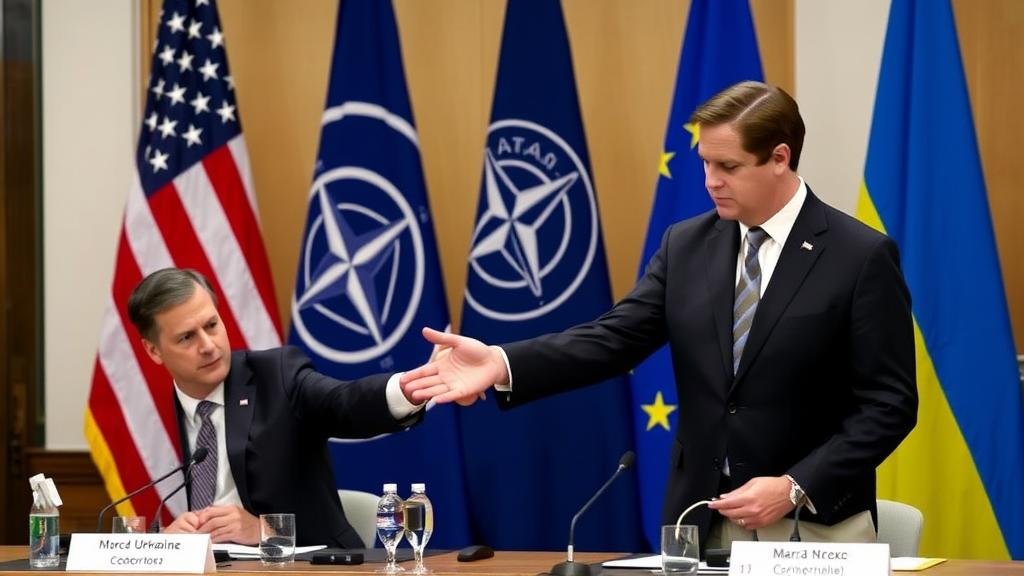
The Goal in Geneva: Rebuilding Trust
The primary goal of the Geneva meeting is damage control. For Ukraine and its European partners, the objective is simple: get a clear explanation from the U.S. about this mystery proposal and re-establish a commitment to working together. German Chancellor Friedrich Merz emphasized the need to:
“craft a plan acceptable to Ukraine”—a novel idea, right?
The man tasked with this diplomatic cleanup is U.S. Secretary of State Marco Rubio. He faces a room full of frustrated allies who feel let down. His mission is to rebuild trust and ensure the unity of NATO and the EU remains intact. The future of the Western alliance hangs in the balance.
European and Ukrainian Perspectives: High Stakes
For Kyiv, a surprise peace deal negotiated without their input is a terrifying prospect. They are fighting for their very survival and have clear non-negotiables: the withdrawal of Russian troops and accountability for war crimes. The fear is that a rushed deal could sacrifice justice for a quick political win. Ukrainian officials are in Geneva to ensure their voice is heard, reminding everyone of the simple principle:
“nothing about Ukraine without Ukraine.”
Europe shares this concern. A fractured alliance is a strategic gift to Russia. The West’s united front has been its greatest strength, demonstrating that aggression has consequences. If the U.S. goes rogue, it signals to authoritarian regimes worldwide that democratic alliances are fragile. This is a dangerous precedent with implications far beyond the Ukraine war.
The Economic Impact: Why This Matters for Your Wallet
Now, let’s talk about the money. Market stability is threatened by this level of uncertainty, creating significant geopolitical risk. This confusion raises several critical questions:
- Sanctions Uncertainty: Would a U.S.-led deal lead to lifting sanctions on Russia prematurely? This could throw energy markets, finance, and commodity prices into turmoil.
- Supply Chain Disruption: Businesses have been adapting to new supply chain routes to avoid the conflict zone. An uncertain peace process makes long-term planning impossible, which could keep prices high for everything from food to technology.
- Investment Instability: European nations are investing billions in defense and energy independence. Can they rely on the U.S. as a stable partner, or will these long-term financial plans need to be reconsidered?
This geopolitical risk is not just an abstract concept; it has a direct economic impact on your investments and the broader economy. A clear, united message from Geneva could calm the markets, but continued chaos will only heighten financial instability.
What’s Next?
The Geneva meeting is a critical test for the Western alliance. To navigate this crisis, the allies must agree on a unified path forward—one that respects Ukraine’s sovereignty and demonstrates a united front against Russian aggression. Can Secretary Rubio salvage the situation? Will Ukraine and Europe successfully assert their positions? The outcome of these diplomatic negotiations will shape global politics and the economy for years to come.