US-Russia Back-Channel Talks Propose a Ukraine Land Swap, Sparking Diplomatic Crisis
Imagine accidentally hitting “reply all” on a gossipy email, but instead of office drama, you’re a top US adviser, and the email is a leaked transcript of US-Russia diplomacy. That’s the diplomatic bombshell that dropped this week, suggesting a controversial Ukraine peace plan involving a “land swap” is on the table.
The Leaked Transcripts: A “Land Swap” in the Donbas?
According to leaked documents, back-channel talks between US and Kremlin officials have hinted at a shocking deal. U.S. Special Envoy Steve Witkoff allegedly suggested that Ukraine might have to cede territory in the Donbas region in exchange for peace. The transcripts reportedly quote Witkoff saying the US President is willing to give him “a lot of space and discretion to get to the deal,” even coaching the Kremlin on how President Vladimir Putin could pitch the peace deal to Donald Trump.
This revelation, suggesting a major shift in US policy, has sent shockwaves through the international community. A US-backed plan might ask Kyiv to give up the entire Donbas region and significantly shrink its military, a proposal Ukraine and its allies have vehemently rejected for years.
A Betrayal in the Eyes of Kyiv
For Ukraine, this is a profound betrayal. President Zelenskyy’s government has been unequivocal: a full return to its 1991 borders, including Donetsk, Luhansk, and Crimea, is non-negotiable. The idea that their staunchest ally might be negotiating a deal that involves ceding territory feels like a stab in the back.
For the Ukrainian people, who have paid an immense price defending their homeland, the notion of a “land swap” is not just a bitter pill to swallow. It would validate Russia’s brutal aggression and set a dangerous precedent for the world. Ceding territory to an aggressor is a concession that undermines the very principles of international law.
A Divided West?
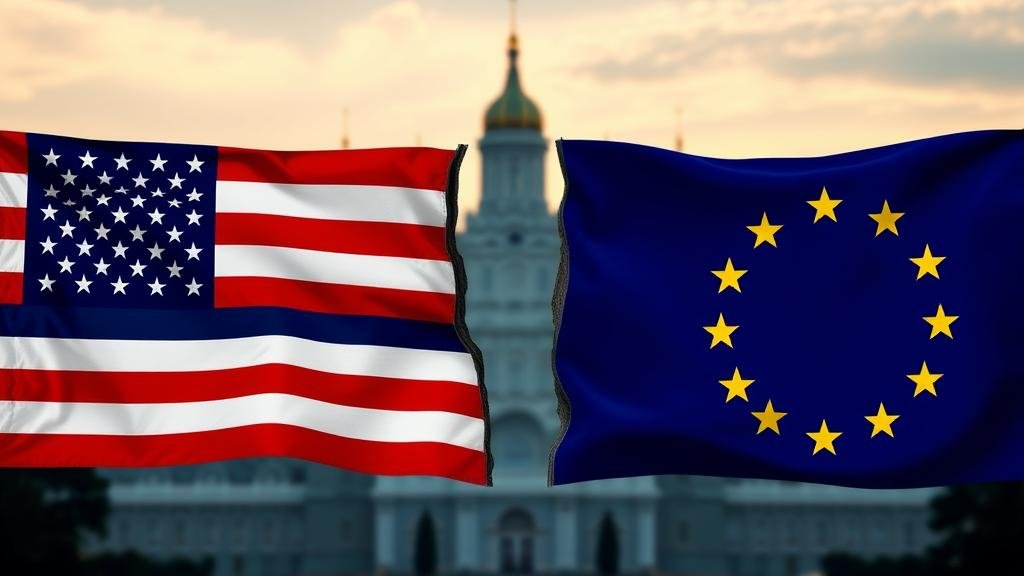
This potential solo act from Washington threatens to create a divided West. The European Union has largely remained united in its support for Ukraine, imposing sanctions on Russia and providing military aid. A US-led initiative that goes against this unified front could fracture the transatlantic alliance.
Who benefits from a divided West? Vladimir Putin. A fractured coalition of Western allies is a key element of the Kremlin’s strategy. It weakens the collective response to Russian aggression and bolsters Putin’s narrative of Western weakness and disarray. This is not just a diplomatic disagreement; it’s a potential crack in the foundation of the entire anti-aggression effort.

The Russian Response
Meanwhile, Moscow is likely celebrating this diplomatic coup. The leaked documents suggesting back-channel collaboration on a peace deal at Ukraine’s expense are a massive win for the Kremlin’s strategy. It drives a wedge between Western allies and emboldens Russia to push harder for concessions.
The fact that a US envoy was reportedly advising a Kremlin official on deal-making strategy suggests a level of back-channel diplomacy that is deeply concerning to Kyiv and its European allies. It signals to Russia that the US might be willing to negotiate over Ukrainian land, empowering Putin’s aggressive stance.
What Happens Next?
The fallout from these leaked transcripts is just beginning, and trust between allies is already shaken. The road ahead is fraught with uncertainty, and the world is watching to see how this high-stakes diplomatic crisis unfolds. Key questions remain:
- Will the US confirm or deny the existence of this back-channel Ukraine peace plan?
- How will Kyiv react to this apparent betrayal by its most important ally?
- Can the European Union maintain a united front against Russian aggression?
- What is Russia’s next move in this complex geopolitical chess game?
This story is far from over. The future of Ukraine, and the stability of the Western alliance, hangs in the balance.