US-Russia Ukraine Peace Deal? Europe Blindsided by “Backroom” Proposal
Imagine planning a surprise party but forgetting to invite the guest of honor. Now, scale that up to international diplomacy, where the “party” is a peace plan for Ukraine, and the uninvited guest is… all of Europe. According to bombshell reports, Washington and Moscow are allegedly drafting a secret Ukraine peace deal, leaving key European allies feeling completely blindsided.
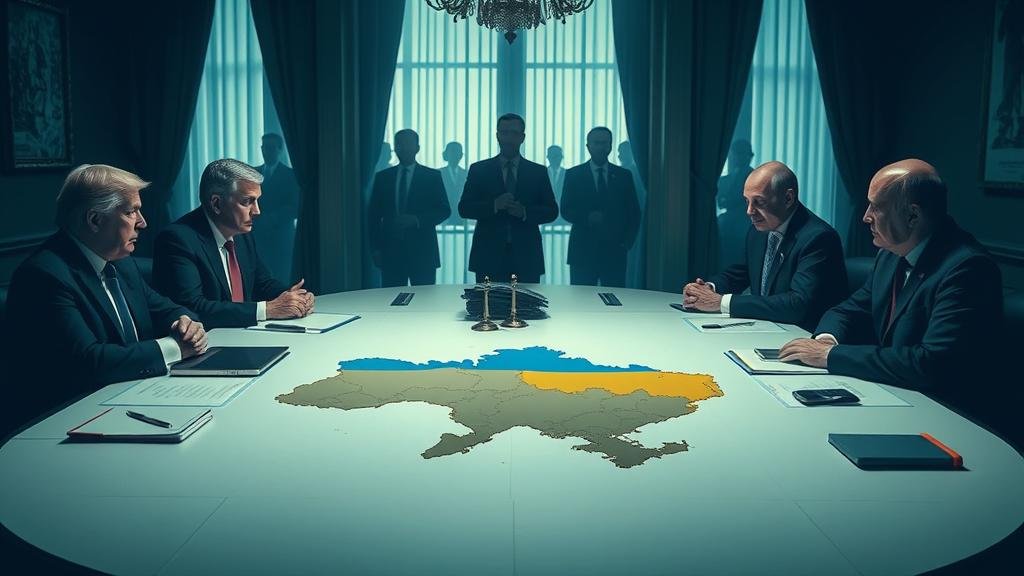
The Rumored US-Russia Peace Deal
The core principle of the transatlantic alliance has been “nothing about Ukraine without Ukraine.” Yet, credible reports suggest a US-Russia peace deal has been drafted without consulting Kyiv or Brussels. Details remain secret, but the proposal reportedly requires Ukraine to make painful concessions on territory in exchange for a mere promise from Moscow of “no further attacks”—a classic diplomatic smash-and-grab for the Kremlin.
If Ukraine is expected to give up tangible security for a pinky promise, it’s not a peace plan; it’s a capitulation. The critical question remains: what is Russia actually conceding? Without a clear, verifiable commitment, this backroom deal risks rewarding aggression.

Europe’s Reaction: “You Could Have Emailed!”
The reaction from European allies has been one of outrage. After standing shoulder-to-shoulder with the U.S. to impose sanctions on Russia and provide billions in aid to Ukraine, discovering that Washington might be pursuing a separate peace deal is a major blow to trust. European diplomats insist that they and Ukraine “must be consulted,” fearing that a deal brokered only by two superpowers will prioritize American geopolitical strategy over the security of the European continent.
Such a move threatens the very foundation of the transatlantic alliance and NATO. Creating division among allies has always been a primary goal for Moscow, and a secret deal like this plays right into its hands, potentially fracturing the united front against Russian aggression.
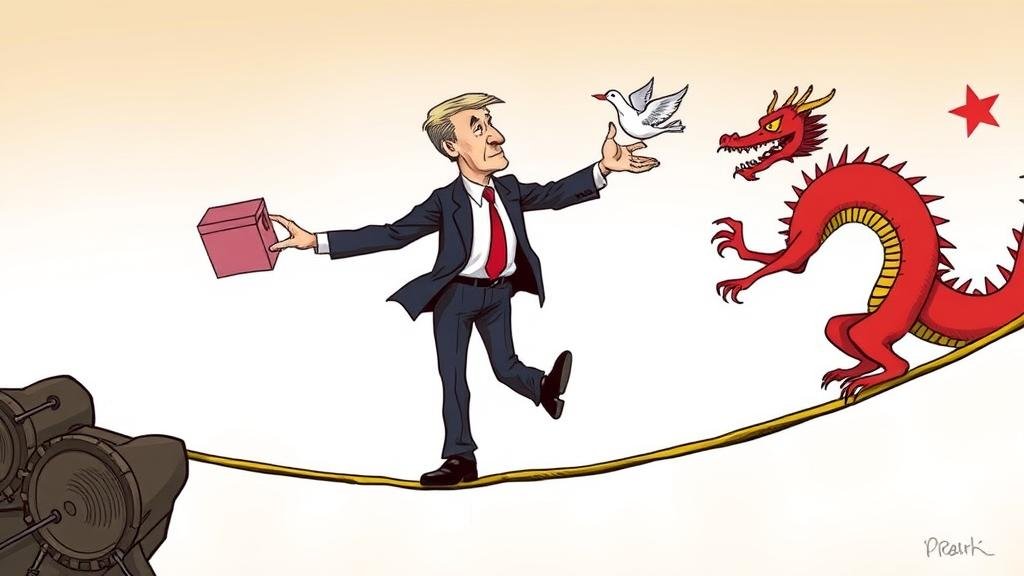
Why Would the U.S. Risk This?
So, why would Washington risk alienating its staunchest partners? First, with a U.S. election cycle heating up, a headline declaring an end to the war would be political gold. Second, some analysts in Washington may view the battlefield as a stalemate and believe a negotiated settlement is the only path forward. Finally, the U.S. is increasingly focused on the long-term challenge posed by China, making a swift resolution in Europe strategically appealing.
Whatever the reason, sidelining allies is a high-risk maneuver that erodes trust at a critical time.

The Economic Impact: What This Means for Your Wallet
A US-backed plan to end the war would have a significant economic impact. While an end to hostilities could lower energy prices and ease inflation, a deal that rewards Russia could create long-term instability—something markets despise. The future of sanctions and the use of frozen Russian assets for Ukraine’s reconstruction hang in the balance.
Unwinding sanctions isn’t simple. If they are lifted without a full Russian withdrawal, it sets a dangerous precedent. The economic consequences of this geopolitical gambit are immense, and investors are watching closely.
An Uneasy Peace, An Uncertain Future
Is this rumored deal a stroke of diplomatic genius or a tragic miscalculation? If it leads to a just peace that respects Ukraine’s sovereignty, it will be a historic success. But if it’s a backroom bargain that sells out an ally for political expediency, it will only sow the seeds for the next crisis, leaving the transatlantic alliance weaker and the world more unstable.