A Backroom Deal or a Path to Peace? The US-Russia Ukraine Plan That’s Rattling Alliances
Ever tried to “help” two friends in a massive fight, only for your grand plan to make everyone angrier? Now, imagine the friends are countries, the fight involves missiles, and you cooked up the “plan” with the person who started the whole mess.
That’s the geopolitical stage this week. A supposed Ukraine peace plan brokered by the US and Russia has landed with the subtlety of a wrecking ball, spooking American allies and raising serious questions about who’s calling the shots.
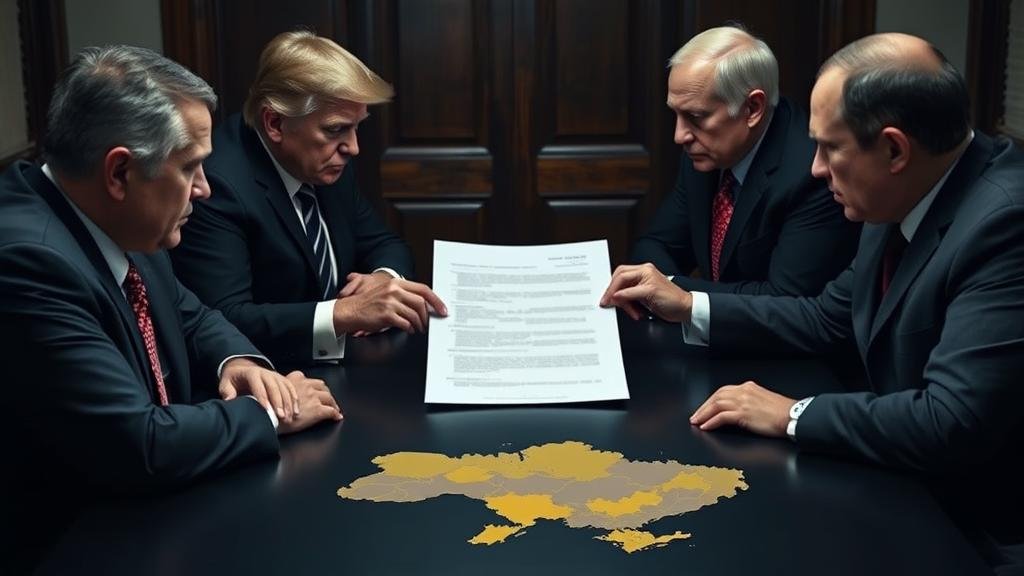
The “Hardline” Proposal: Peace at What Price?
The details emerging from this back-channel deal sound less like a negotiation and more like a mob movie ultimatum. Reports suggest a US-Russia deal was presented to Kyiv: take it, or the weapons and intelligence spigot might just get turned off.
This “take it or leave it” approach is a sharp pivot from the “all in this together” message the West has been championing. The rumored terms heavily favor Russia, fuelling fears of a secret handshake deal. For Ukraine, it’s a nightmare. For Europe, it’s a confirmation of their deepest fear: their fate being decided in a room they weren’t invited to. This fractures the very foundation of transatlantic security.
Kyiv’s Defiant Stand: A Nation’s Sovereignty on the Line
Unsurprisingly, Ukraine’s reaction was a firm “no deal.” After fighting fiercely for their homeland, being strong-armed into a deal that signs away territory is a non-starter. Ukrainian officials are clear: a peace deal signed under duress isn’t peace—it’s just a timeout for the aggressor to reload. Their message is unequivocal: Ukraine is not a pawn to be sacrificed in a geopolitical chess match. This defiant spirit underscores that national will can’t be negotiated away.
European Allies in Alarm: A Continent Sidelined
Across Europe, the response has been a mix of shock and frantic damage control. Imagine your neighborhood watch captain making a deal with a burglar without telling you—that’s the mood in Brussels, Berlin, and Paris. This move has left European leaders wondering if their invitations to the big table were lost in the mail.
This isn’t just about hurt feelings. Europe is already grappling with energy and refugee crises sparked by the war. The idea that the US might be seeking a quick exit, even at the expense of Europe’s long-term security, exposes a painful truth about its reliance on America. The state of US-Russia relations seems to be taking precedence over longstanding alliances.
Economic and Political Fallout
A major rift between the US and Europe would send shockwaves through the global economy. Expect more chaos in energy markets, rattled investors, and a potential arms race as European nations rethink their security infrastructure. A breakdown in trust over the Ukraine peace plan doesn’t just affect treaties; it impacts everything from global trade to our ability to tackle other major global challenges. This is a political soap opera with real-world consequences.
The Road Ahead: A Call for Unity and Inclusive Diplomacy
We are at a global crossroads. The desire for peace is universal, but this path looks suspiciously like a trap. A peace that isn’t just and fair is merely a temporary ceasefire. The coming weeks are critical. Will Europe assert its role? Will the US recommit to its allies? And most importantly, will Ukraine have the agency to determine its own future? The answers will shape our world for decades to come.