The US-Russia Peace Plan for Ukraine: Genius Move or Diplomatic Disaster?
Let’s dive into the world of international diplomacy, which is currently giving us more drama than a reality TV finale. While Brussels was meticulously navigating legal frameworks, the United States apparently decided to rewrite the entire script with a bold new Ukraine peace plan.
The U.S. has reportedly engineered a peace proposal that involves a joint investment fund with Russia to rebuild Ukraine. Yes, you heard that correctly. This geopolitical bombshell suggests using frozen Russian assets for reconstruction, leaving the EU looking like they’ve been left out of their own party.

The US Proposal: A Breakdown of the Bombshell
According to reports, this audacious US-Russia peace plan contains some startling provisions. The centerpiece is a U.S.-Russia joint investment vehicle, a concept that has sent shockwaves through the diplomatic world.
The plan proposes taking $100 billion of frozen Russian assets and having the United States invest it to rebuild Ukraine.
The most controversial element? Giving Moscow a say in how its frozen funds are managed, and possibly a share of the profits. To add another layer of audacity, the plan reportedly allows the United States to retain 50% of the investment returns.
Furthermore, the deal allegedly requires Ukraine to abandon its NATO aspirations permanently and agree to a new “demarcation line”—a bitter pill to swallow for a nation fighting for its sovereignty.
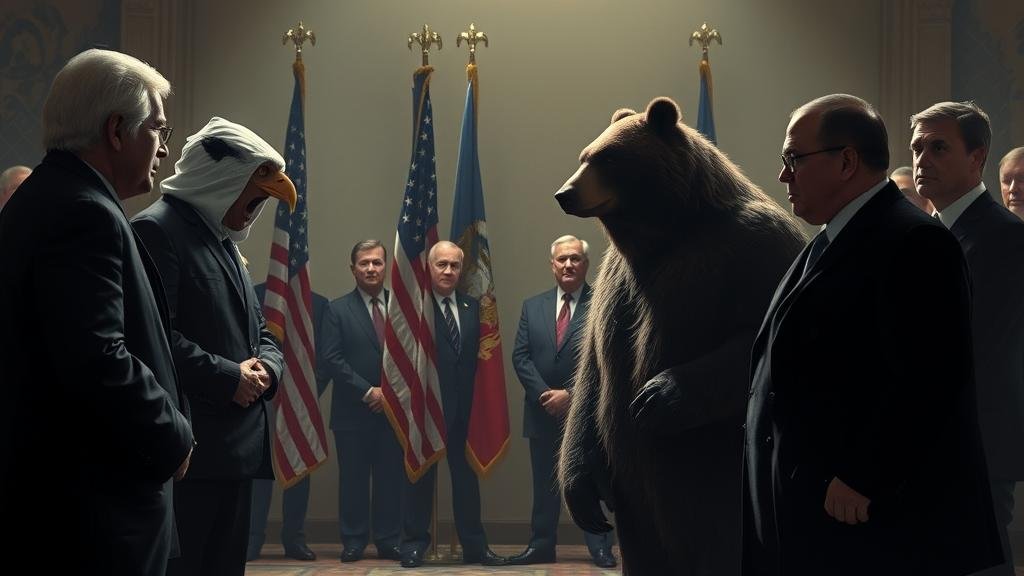
Brussels’ Reaction: Blindsided and Sidelined
Across the Atlantic, the European Union is reeling. For months, the EU has been painstakingly working on a legally sound method to use the profits from Russia’s frozen assets without touching the principal.
Then, America unveiled its own strategy, threatening to sideline the EU’s careful work. This move has stoked fears in Brussels that their role in the Ukraine peace plan could be minimized, with the U.S. taking the lead in this high-stakes venture. The lack of prior consultation has been perceived as a significant diplomatic slight, undermining the unity of the Western alliance.

The Dilemma for Ukraine: A Deal with the Devil?
For Ukraine, this proposal presents an agonizing choice. The prospect of a massive fund for reconstruction is a lifeline for a country devastated by war. However, the conditions attached are severe.
Giving up NATO ambitions and accepting a “frozen conflict” are nightmare scenarios that could compromise Ukraine’s long-term security. Moreover, the notion of a joint investment fund with the aggressor is a morally repugnant prospect for a nation fighting for its existence. This isn’t just a financial decision for Ukraine; it’s an existential one.

A High-Stakes Geopolitical Gamble
The United States has made a high-risk, high-reward move on the global stage. Is this a brilliant strategic play to bring Russia to the negotiating table by offering it a stake in Ukraine’s recovery? Or is it an attempt by Washington to reassert its dominance in international affairs?
The risks are immense. This US-Russia peace plan could alienate the EU, a critical ally in the effort to support Ukraine. It could also be misinterpreted by Moscow as a sign of weakening Western resolve, potentially emboldening further aggression.
The Road Ahead: A Future Shrouded in Uncertainty
The coming weeks will determine whether this proposal is a viable path to peace or a diplomatic misstep. What is certain is that this Ukraine peace plan has exposed the underlying tensions within the Western alliance. As the world watches, the fate of Ukraine and the future of international diplomacy hang in the balance.