The US-Ukraine Peace Plan: A Diplomatic Mess Threatening US Foreign Policy
In Geneva—a city known for diplomacy—a crisis meeting just went down over the new Ukraine peace plan. This wasn’t a standard diplomatic summit; it was an intervention. Ukrainian and European officials cornered the US to ask, “What is going on with your strategy to end the Ukraine war?” As we unpack this diplomatic mess, it’s clear America’s shifting US foreign policy is giving its allies whiplash, testing the strength of the transatlantic alliance.
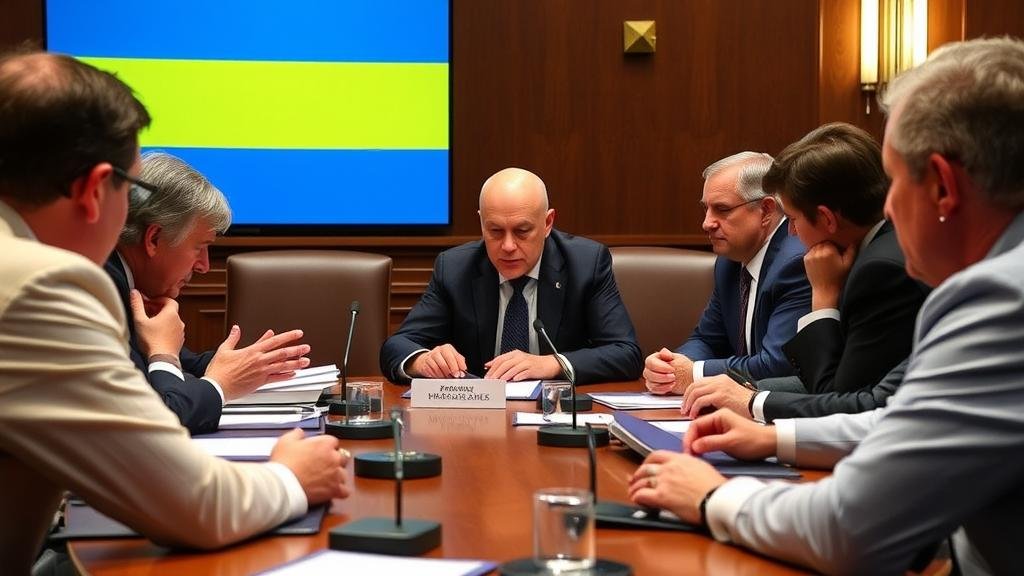
The Geneva “We Need to Talk” Meeting
Let’s be clear: when your allies call a “crisis meeting” to discuss a Ukraine peace plan you proposed, you’ve got a problem. Kyiv and its European partners are deeply concerned about a vibe shift from Team USA. This proposal, reportedly linked to the Trump administration, feels like a pivotal moment for the Western alliance. The meeting in Geneva is the diplomatic equivalent of getting a “we need to talk” text from your entire friend group, putting the transatlantic alliance on notice.
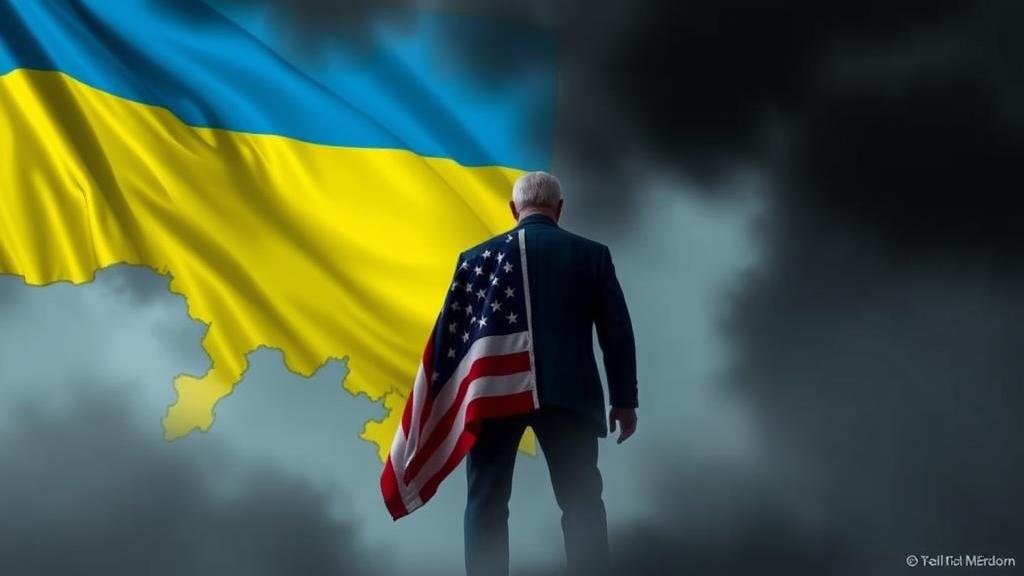
The Source of the Confusion: The Leaked Peace Proposal
The cause of this chaos? A leaked US draft plan so speculative it’s still shrouded in mystery. While the full 28-point plan isn’t public, reports suggest it demands major territorial concessions from Kyiv. That’s the one thing Ukraine has repeatedly said is a non-starter for achieving a just Russia-Ukraine peace process. The shadow of Donald Trump’s “America First” approach to US foreign policy has allies bracing for a unilateral deal, prioritizing a quick win over lasting security and Ukrainian sovereignty.
Shifting Sands of US Foreign Policy
Deciphering America’s official stance on the Ukraine peace plan is like asking a Magic 8-Ball for stock tips: “Reply hazy, try again.” One day, the White House vows “unwavering commitment”; the next, whispers of a more “pragmatic” approach that sounds like capitulation cause diplomatic whiplash. With a US presidential election looming, this inconsistency in US foreign policy is creating a chasm on the world stage, and Russia is gleefully watching. For Ukraine, it’s like watching your strongest ally get distracted in the middle of a fight.
Ukraine’s Perspective: A Nation’s Sovereignty on the Line
Before we get lost in the diplomatic drama, let’s remember the reality on the ground. While Western leaders debate strategy, Ukraine is fighting for its very existence. The prospect of being forced into a disadvantageous deal to end the Ukraine war is their ultimate nightmare. Preserving Ukrainian sovereignty is non-negotiable. As one Ukrainian official implied, they won’t trade their home to appease a bully, making it clear that the terms of the Russia-Ukraine peace process must respect their independence.
Broader Implications: Testing the Transatlantic Alliance
This confusion over the Ukraine peace plan is more than just a diplomatic spat; it’s a profound test of the entire transatlantic alliance. For decades, the US-Europe partnership was the bedrock of global security. Now, with recent discussions at the G20 highlighting fractures, the check engine light is on. A divided West sends a dangerous message that international law is optional, which only emboldens authoritarian regimes. The Geneva meeting wasn’t just a meeting; it was a group therapy session with the fate of the free world on the agenda.
Conclusion: What’s the Next Move?
The chaos in Geneva is a flashing red flag. The lack of a unified strategy on the Ukraine peace plan benefits Russia and undermines Ukraine’s fight for survival. To ensure a stable Russia-Ukraine peace process, America must clarify its position, reassure its allies, and present a united front. The road ahead is bumpy, but failing to steady the transatlantic alliance will have consequences far greater than a diplomatic fallout. The world is watching.