A Diplomatic Gambit: Decoding the US-Ukraine Peace Plan
Or, How to Get Your Allies to Agree on Anything
In the high-stakes world of international diplomacy, the choice of location speaks volumes. So, when the world’s most powerful leaders choose to meet in Geneva, it signals serious business. This is no casual getaway for fondue and luxury watches; this is the geopolitical equivalent of being summoned to the principal’s office.
This weekend, top officials from the US, Ukraine, and Europe are convening for a crucial “rearguard” diplomatic effort. Their objective? To unify behind a US-led Ukraine peace plan. Imagine trying to get your entire extended family to agree on a single pizza topping, but the pizza is global stability and one of the toppings is avoiding nuclear conflict. Here at Creditnewsinsider, we’re breaking down the diplo-speak into plain English.

The Stage is Set: What’s at Stake in Geneva?
So, who is in the room where it happens? We have high-level American diplomats meeting their Ukrainian and European counterparts behind closed doors—no press, no photo ops, just intense negotiation.
The mission is to refine and perfect a US draft plan for peace. This isn’t about Washington imposing terms, but rather a collaborative effort to ensure all allies are on the same page. This “rearguard action,” a term borrowed from military strategy, is a diplomatic huddle to prevent mixed messages and present a united front before facing the final challenge. It’s about ensuring the whole team is running the same play.
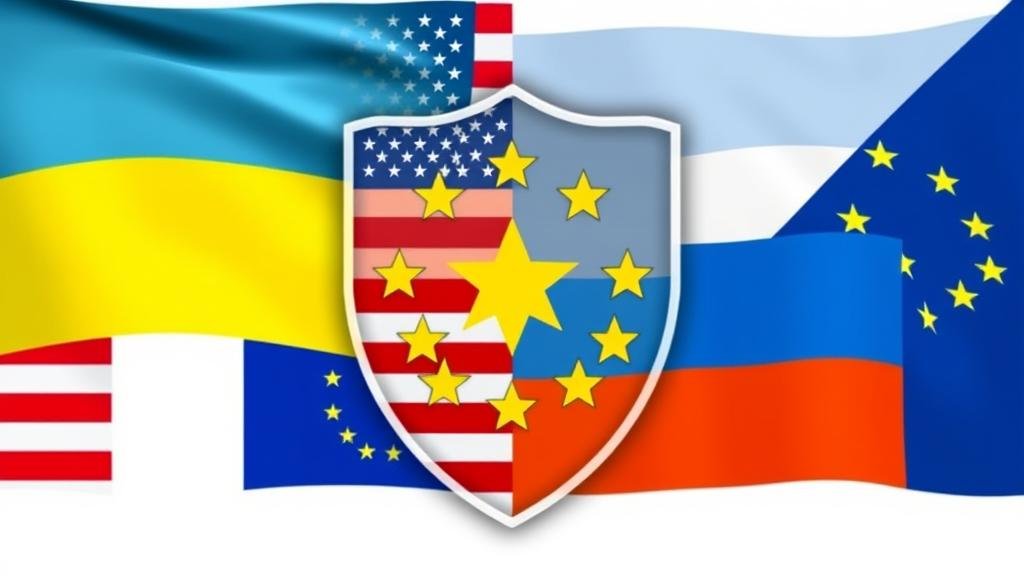
Behind the “Rearguard” Move: Unpacking the Geopolitical Strategy
Why the need for such cautious maneuvering? Because achieving allied coordination among numerous countries with diverse national interests is incredibly complex. Any viable peace plan must navigate a minefield of historical grievances, economic concerns, and political egos.
-
Ukrainian Sovereignty is Paramount: First and foremost, a peace plan for Ukraine must have Ukraine’s endorsement. Ukrainian officials have been unequivocal: any deal that compromises their independence or existing borders is a non-starter. This meeting allows them to ensure the plan prioritizes a dignified peace for their nation.
-
Forging a United European Front: Europe is not a single entity but a collection of nations with varied perspectives. Germany’s economic interests differ from Poland’s security concerns, and France’s diplomatic approach may not align with that of the Baltic states. These talks aim to harmonize these views, creating a unified European stance essential for the plan’s credibility.
-
Building a Credible Proposal: A peace proposal is only as strong as the unity behind it. A plan backed by a fractured alliance is destined to fail. This rearguard action is designed to build a diplomatic fortress around the proposal, signaling to Russia that this is a serious, unified position backed by robust security guarantees.
The US-Ukraine Peace Plan: What’s on the Table?
While the specific details are under lock and key, we can infer the core components of the US-led initiative based on publicly stated principles and diplomatic precedent.
Any serious plan would likely include:
- Ceasefire and Withdrawal: The immediate priority is to stop the fighting and secure a full withdrawal of Russian forces.
- Security Guarantees: Ukraine requires a solid pact to deter future aggression, ensuring its long-term security.
- Territorial Integrity: The most contentious issue is the status of Ukrainian territories currently under Russian occupation. The plan must offer a clear path toward resolving this.
- Reconstruction and Reparations: Rebuilding Ukraine will be a monumental task. The plan will need to outline a framework for funding, potentially leveraging frozen Russian assets.
- Accountability: A critical demand will be ensuring that those responsible for war crimes are brought to justice.
The negotiations in Geneva are likely focused on the fine print—the precise wording, sequencing, and commitments that will define the global economic impact of the peace deal.
What This Means for Global Markets and Financial Stability
This is where geopolitics hits home. The war in Ukraine has had a ripple effect across the global economy, influencing everything from energy prices to the cost of food.
A credible Ukraine peace plan could be a major positive for global markets:
- Boost Market Confidence: A clear path to peace reduces geopolitical risk, which in turn boosts investor confidence and promotes market stability.
- Stabilize Energy Prices: A de-escalation of the conflict could calm volatile energy markets, potentially lowering fuel costs for consumers worldwide.
- Unlock Investment: The reconstruction of Ukraine will require massive investment, creating economic opportunities and jobs on a global scale.
Conversely, a failure in these talks would likely lead to continued volatility and economic uncertainty. In short, peace is good for business.
The Long Road from Geneva
This meeting in Geneva is not the final act but a pivotal mid-season finale. It’s a moment that lays the groundwork for the dramatic second half.
It serves as a reminder that diplomacy is often unglamorous, behind-the-scenes work. The real test will be whether the unity forged in these closed-door sessions can withstand the pressures of reality and bring a lasting end to the conflict. Follow Creditnewsinsider as we continue to track the developments that shape our world.