The US-Ukraine Peace Plan: A Risky Bargain with Russia?
In the high-stakes diplomacy surrounding the war in Ukraine, a US-led peace plan has emerged as a focal point of contention. The proposal, aimed at ending the conflict, has generated both hope and anxiety, with many questioning whether it offers a genuine path to peace or a risky set of concessions to Russia.

The Diplomatic Dance: A Glimpse into the US Proposal
After months of devastating war, the United States has put forth a peace plan to bring Russia and Ukraine to the negotiating table. While the full details remain under wraps, initial reports from sources like PBS and Reuters indicated that the first draft was surprisingly accommodating of some of Russia’s long-standing security demands.
The proposal has since undergone multiple revisions, incorporating feedback from Kyiv and European allies. However, the core of the plan continues to cause unease. According to Politico, Russia has shown a notable preference for the American plan over a separate European proposal, raising concerns about the concessions being offered.
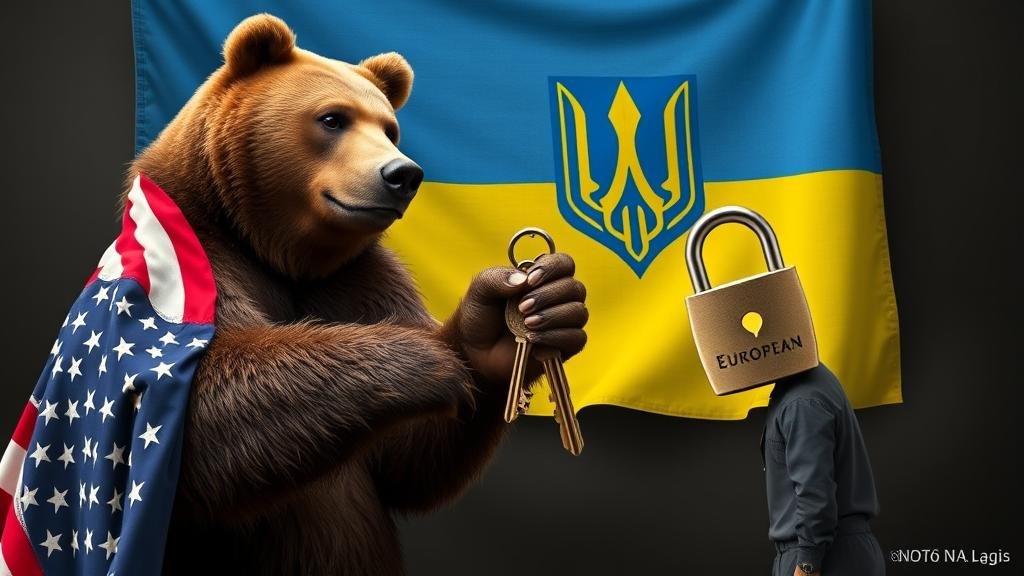
The Heart of the Matter: Concessions and Russian “Sway”
For years, Vladimir Putin has voiced opposition to NATO’s eastward expansion. The US peace plan appears to address these concerns, but the “how” is a major point of contention. What does giving Russia “sway over the continent’s defense” actually entail? Analysts suggest several possibilities:
- Ukrainian Neutrality: The plan might legally bar Ukraine from joining NATO, a key Russian demand that would establish a significant buffer zone. This raises questions about Ukraine’s sovereignty and its right to choose its own alliances.
- Limits on NATO Troops: The deal could restrict the deployment of NATO troops and missiles in Eastern Europe. For countries on NATO’s eastern flank, who joined the alliance for protection against Russian aggression, this is a deeply alarming prospect.
- A New Security Council: Some speculate that the proposal could create a new European security body where Russia holds a permanent and powerful seat, potentially giving Moscow veto power over the continent’s defense decisions.
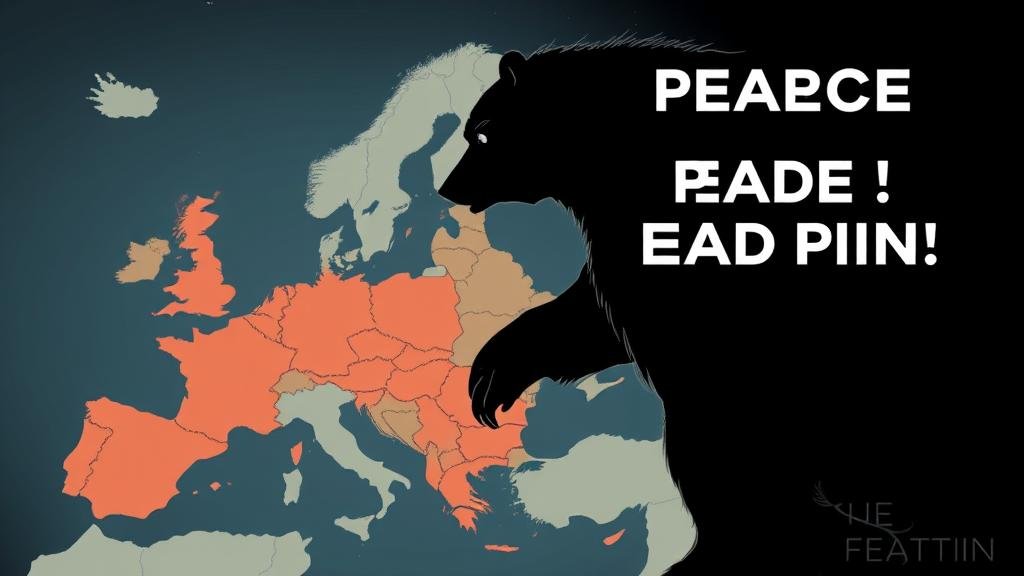
A Continent of Concerns: The European Reaction
The reaction from European leaders has been cautiously optimistic, with many welcoming any progress toward ending the war. However, beneath the surface, there is significant apprehension. For the nations on NATO’s eastern flank, the debate is not theoretical; it is a matter of national security, informed by a history of Soviet domination.
Russia’s praise for the US plan, contrasted with its dismissal of the European alternative, has fueled fears of a potential transatlantic rift. The situation has created a delicate balancing act for Western leaders, who must navigate the path to peace without compromising their collective security.
Our Analysis: The Unintended Consequences
While the pursuit of peace is paramount, a deal that rewards Russia for its invasion of a sovereign nation and grants it influence over its neighbors’ defense policies is not a compromise—it is a dangerous precedent. Such an agreement risks validating the Kremlin’s “might makes right” approach to international relations.
More critically, it could undermine the credibility of NATO. The alliance’s core principle is collective defense, and if members begin to doubt that commitment, the entire structure could fracture. This would not only be a victory for Putin but also an encouragement for aggressors worldwide. A just and lasting peace cannot be built on the foundation of rewarding aggression; it must be grounded in the protection of sovereignty.

A Treacherous Path to Peace
The road to ending the war in Ukraine is fraught with challenges. The US proposal represents a high-risk, high-reward gambit. If handled with care, it could lead to a lasting peace. If not, it could lead to a future where Russia’s influence over European security is significantly enhanced. As negotiations continue, the world watches to see if a genuine peace is possible, or if the price will be a future where the security of the continent is compromised.