The Rise of Vertical Farming: A Sustainable Solution for Urban Food Deserts
The Urban Food Challenge

As urban populations swell, the challenge of providing fresh, nutritious food grows with them. Traditional agriculture, often located miles from city centers, faces hurdles with transportation costs, spoilage, and a significant carbon footprint. Enter vertical farming, an innovative solution that’s changing the way we think about food production.
The Technological Leap
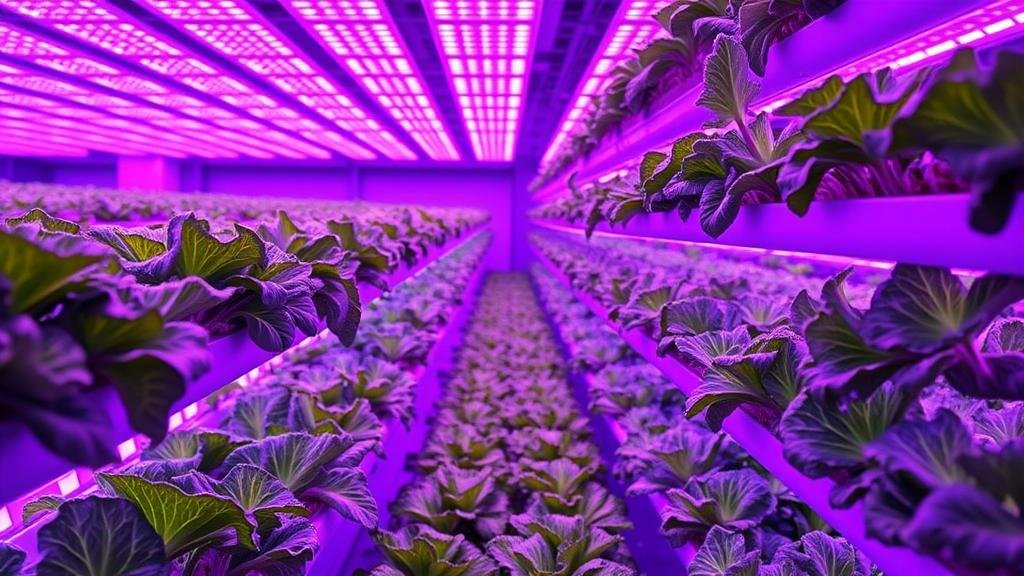
Vertical farming involves growing crops in stacked layers, often within controlled indoor environments. By using techniques like hydroponics, aeroponics, and LED lighting, these ‘farmscrapers’ can cultivate a wide variety of produce year-round, regardless of external weather conditions. This method uses up to 95% less water than conventional farming and eliminates the need for pesticides, resulting in cleaner, healthier food.
Cultivating Communities
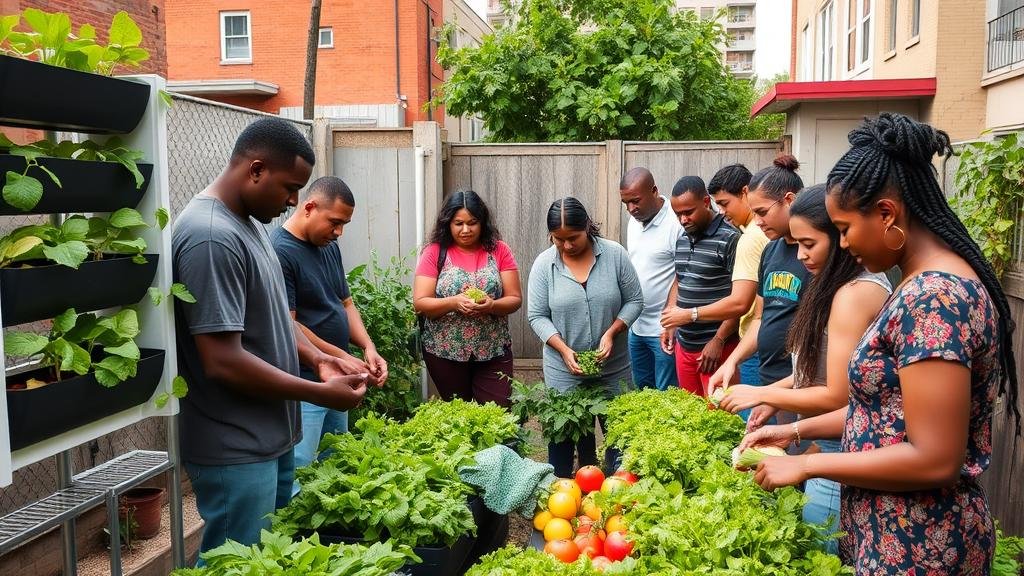
One of the most profound impacts of vertical farming is its potential to combat urban ‘food deserts’—areas with limited access to affordable and nutritious food. By locating farms directly within communities, it provides residents with direct access to fresh-picked produce, improving public health and strengthening local food security. While initial setup costs can be high, the long-term benefits of reduced water usage, lower transportation emissions, and a resilient local food system make vertical farming a compelling vision for the future of sustainable cities.