UK Vets May Have to Publish Prices in Government Overhaul
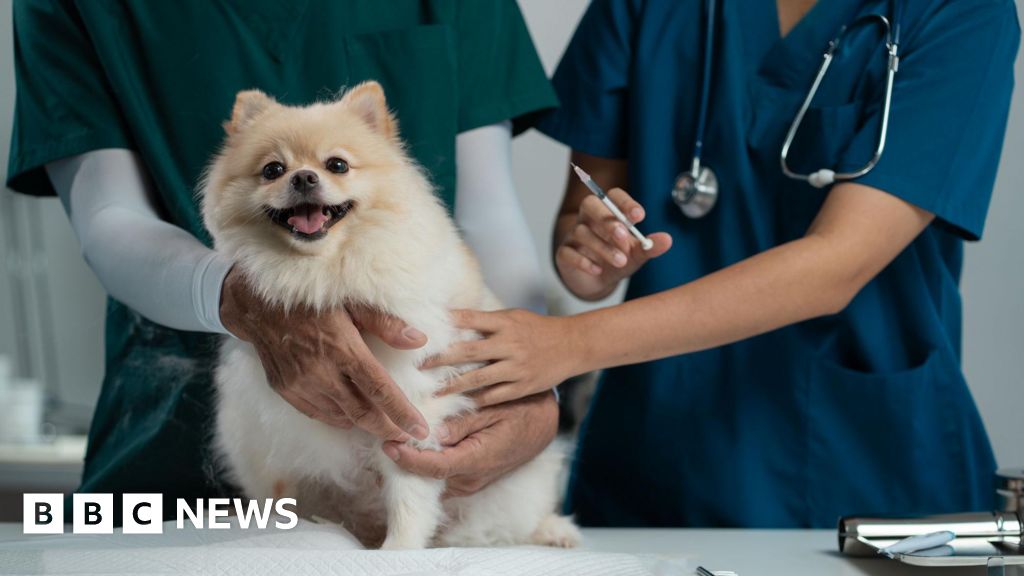
Vets may have to publish prices of common treatments in government plansImage Credit: BBC Business (Finance)
Key Points
- •London – The UK's £2 billion veterinary services market is on the brink of its most significant regulatory overhaul in 60 years, as government proposals aim to force practices to publish prices for common treatments. The move, designed to empower consumers and stimulate competition, comes amid a formal market investigation and mounting evidence of spiralling costs for pet owners.
- •Mandatory Price Transparency: Practices would be required to publish their prices for common treatments. This would likely include services such as annual vaccinations, initial puppy or kitten vaccinations, microchipping, and the neutering or spaying of a dog or cat. The stated goal is to allow owners "to choose the best value."
- •Ownership Disclosure: With an estimated 60% of UK vet practices now owned by large corporate groups rather than individual vets, practices would be required to clearly disclose their ownership structure. The government believes this knowledge, combined with price lists, will empower consumers to make informed choices and drive competition.
- •Official Operating Licences: In a major structural change, every veterinary practice would need an official operating licence to do business. This system, likened to the framework governing GP surgeries and care homes, is intended to formalise standards and give customers "greater confidence in care."
- •Improved Complaints Process: The plans call for an "easier and more effective" complaints route for consumers. This directly addresses widespread feedback from pet owners who feel they have no meaningful recourse when they receive poor service or face billing disputes.
Vets may have to publish prices of common treatments in government plans
London – The UK's £2 billion veterinary services market is on the brink of its most significant regulatory overhaul in 60 years, as government proposals aim to force practices to publish prices for common treatments. The move, designed to empower consumers and stimulate competition, comes amid a formal market investigation and mounting evidence of spiralling costs for pet owners.
The Department for Environment, Food & Rural Affairs (Defra) has unveiled a suite of reforms intended to bring transparency and accountability to an industry where prices have risen at nearly double the rate of inflation. For the more than half of UK households that own a pet, these changes could fundamentally alter how they access and pay for animal healthcare.
A Market Under the Microscope
The government's intervention follows a period of intense scrutiny led by the Competition and Markets Authority (CMA). The watchdog launched a formal investigation late last year after identifying significant concerns that a lack of transparency and the concentration of ownership could be costing households up to £1 billion over five years.
The CMA's preliminary findings paint a picture of an opaque market. Investigators discovered that 84% of veterinary practice websites provided no pricing information whatsoever, leaving pet owners unable to compare costs for routine procedures. This information vacuum, the CMA argues, stifles competition and may be contributing to the rapid price inflation that has outpaced the wider economy.
Concerns were first amplified by a BBC File on 4 investigation in April 2023, which uncovered widespread reports of "skyrocketing" vet bills. The report prompted hundreds of pet owners to share experiences of financial hardship, with some admitting to delaying essential treatment or even euthanising sick animals to avoid unmanageable costs.
Sweeping Reforms on the Table
While the CMA's investigation continues, the government has moved forward with its own plans. The proposals, now subject to an eight-week public consultation, are designed to reform the system from multiple angles, focusing on transparency, standards, and consumer rights.
The core proposals include:
-
Mandatory Price Transparency: Practices would be required to publish their prices for common treatments. This would likely include services such as annual vaccinations, initial puppy or kitten vaccinations, microchipping, and the neutering or spaying of a dog or cat. The stated goal is to allow owners "to choose the best value."
-
Ownership Disclosure: With an estimated 60% of UK vet practices now owned by large corporate groups rather than individual vets, practices would be required to clearly disclose their ownership structure. The government believes this knowledge, combined with price lists, will empower consumers to make informed choices and drive competition.
-
Official Operating Licences: In a major structural change, every veterinary practice would need an official operating licence to do business. This system, likened to the framework governing GP surgeries and care homes, is intended to formalise standards and give customers "greater confidence in care."
-
Improved Complaints Process: The plans call for an "easier and more effective" complaints route for consumers. This directly addresses widespread feedback from pet owners who feel they have no meaningful recourse when they receive poor service or face billing disputes.
-
Professional Recognition for Nurses: The proposals include plans to grant legal recognition to the title of "veterinary nurse." This is aimed at strengthening the profession's identity, improving job satisfaction, and tackling high staff turnover rates, which can impact the quality and cost of care.
The Human Cost of an Opaque System
The financial and emotional toll of the current system was starkly illustrated by the experience of Helene Svinos from Manchester. Her English springer spaniel, Rowan, required an emergency admission last summer, resulting in a £1,600 bill. The cost pushed her over her pet insurance limit for the year.
When Rowan was diagnosed with cancer months later, she had no insurance coverage left for his treatment. "I ended up taking out a £10,000 loan because I didn't want him to go without anything," she stated. Rowan passed away last month.
Svinos, a doctor, expressed shock at the lack of a robust complaints procedure within the veterinary sector compared to human medicine. "It feels like a real kick in the teeth," she told the BBC, adding there is "no protection of your consumer rights at all when you take your dog to a vet."
The Industry Responds
The British Veterinary Association (BVA), which represents 19,000 members, has offered broad support for the proposals, particularly regarding transparency. However, the organisation has cautioned against viewing the reforms as a silver bullet for high costs.
Dr Rob Williams, president of the BVA, argued that it is too simplistic to think legislative reform will "somehow massively reduce the cost of veterinary care." He pointed to several underlying cost drivers:
-
Operating Costs: "The cost of living is something that affects vet practices," Dr Williams noted, highlighting the rising expense of specialist equipment, medicines, and utilities.
-
Advances in Care: "As a profession we can do an awful lot more today than we could do even 10 years ago," he explained. The availability of advanced diagnostics and treatments, from MRIs to complex surgeries, has increased the potential cost of care.
-
Public Expectations: Dr Williams observed that pet owners "have a much higher expectation of my profession and what we can deliver." Meeting these expectations for high-quality, comprehensive care is inherently expensive.
While conceding that the reforms "may go a long way" to increasing transparency and competition, the BVA maintains they are "very unlikely to dramatically alter the cost of veterinary care" on their own.
What Happens Next
The government has now opened the floor for public and industry feedback. The eight-week consultation period is set to close on March 25.
Simultaneously, the CMA is finalising its market investigation, with its own definitive proposals expected by March. The convergence of these two timelines suggests that 2024 will be a pivotal year for the industry. The outcome will determine whether the UK's veterinary market will be reshaped by competition and consumer choice, or if the fundamental high costs of modern animal medicine will continue to dictate prices, regardless of new regulations.
Source: BBC Business (Finance)
Related Articles
ARRY Stock Sinks Despite Market Gains: What to Know
Array Technologies (ARRY) stock declined 2.5% in the latest session, contrasting with market gains. Find out why the solar stock fell and what it means for inve
India and the EU clinch the 'mother of all deals' in a histo
Jay Vine Wins Tour Down Under 2026 After Kangaroo Crash
Australian cyclist Jay Vine secures the overall victory at the 2026 Tour Down Under despite a dramatic final-stage crash involving a kangaroo.
Trump's New Defense Strategy: Allies Must Fund Own Security
The Trump administration's new National Defense Strategy realigns US policy, demanding allies assume primary responsibility for their own security and defense c