Feeling the Pinch? Why Your Wallet and the News Tell Different Inflation Stories
The Economic Disconnect: A Tale of Two Inflations
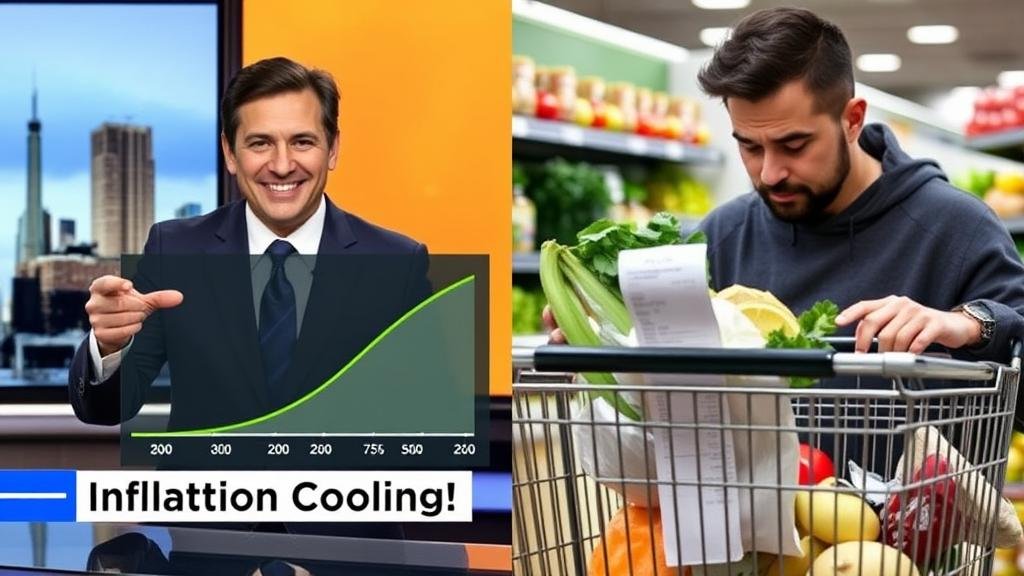
You hear the news anchor announce that inflation is “cooling,” yet your grocery bill tells a different story. It’s a frustratingly common scenario, and you’re not wrong to question it. The key to understanding this discrepancy lies in the difference between two terms that are often used interchangeably: disinflation and deflation.
Understanding this difference is the first step toward true financial literacy.
- Deflation: This is the scenario we all dream of. It’s when prices actually decrease. That $5 gallon of milk you bought last month is now $4.80. It’s a direct boost to your purchasing power.
- Disinflation: This is what’s currently happening. Prices are still on the rise, but at a slower pace than before. For example, your milk went from $4 to $5 last year (a 25% increase), but only from $5 to $5.25 this year (a 5% increase).
From a government standpoint, disinflation is a positive sign—it indicates that their economic policies are working to curb runaway inflation. However, for the average person, it feels like the bleeding has only slowed, not stopped.
The Cumulative Effect: Why You’re Still Feeling the Squeeze
The reason for this disconnect is the cumulative effect of inflation. Even with the rate of price increases slowing down, the cost of goods and services remains significantly higher than it was just a few years ago. That 15-20% increase in your cost of living doesn’t disappear just because the rate of new price hikes has slowed.
This is where the importance of saving money and effective budgeting comes into play.
Practical Steps for Thriving in a High-Cost World
While it’s easy to get discouraged, there are proactive steps you can take to improve your financial situation. It’s time to focus on what you can control.
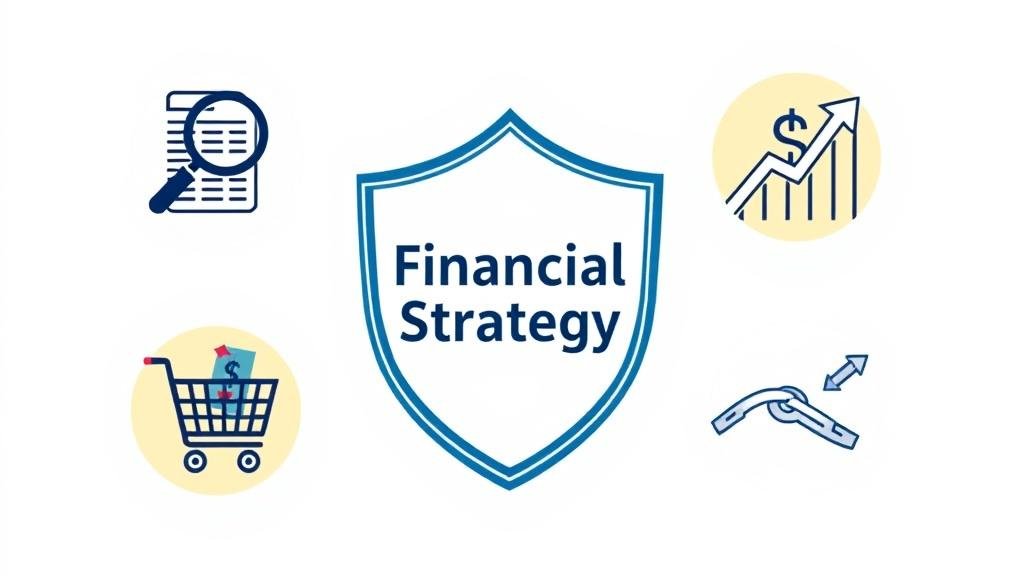
- Conduct a Deep-Dive Budget Audit: Take a close look at your spending over the last three months. A thorough budget audit will help you identify where your money is going and where you can cut back. This isn’t about restricting yourself; it’s about making informed decisions with your money.
- Become a Strategic Shopper: Move beyond simple coupon-clipping and become a strategic shopper. This includes:
- Leveraging loyalty programs.
- Planning your meals to reduce food waste.
- Using price-comparison apps to get the best deals.
- Opting for generic brands, which are often identical to their name-brand counterparts.
- Focus on Your Income: There’s a limit to how much you can cut your expenses. The other side of the equation is to boost your income. This could mean asking for a raise, acquiring new skills, or starting a side hustle.
- Tackle High-Interest Debt: High-interest debt, such as credit card debt, can be a major drain on your finances. Prioritize paying off this high-interest debt to free up your income and reduce your financial stress.

The Road Ahead: You’re in the Driver’s Seat
As we navigate through the current economic landscape, you can expect to hear more talk about inflation, disinflation, and interest rates. By understanding these concepts and taking control of your personal finances, you can build a more secure financial future.
Conclusion: You’re in the Driver’s Seat
The gap between economic news and your personal financial reality is real. But by focusing on what you can control—your budget, your spending, your income, and your debt—you can take charge of your financial well-being.