Zohran Mamdani, Daron Acemoglu, and the Future of Pro-Worker AI
Zohran Mamdani’s Rise: A New Political Blueprint?
So, there’s a hip-hop artist in New York politics. No, this isn’t the setup for a dad joke I’m workshopping. Zohran Mamdani—a housing counselor, Democratic Socialist, and yes, rapper—isn’t your typical suit-and-tie politician. His rise has been fueled by a coalition of artists, creatives, and working-class folks who are, frankly, tired. Tired of rent hikes, crushing medical bills, and wages that haven’t seen a real glow-up since the ‘90s. This is a core issue of economic justice.
Now, you might be thinking, “What does a Nobel-winning economist have to do with a rapper from Queens?” And fair enough. Daron Acemoglu probably isn’t bumping Mamdani’s tracks on his way to MIT. But Acemoglu’s life’s work is basically a masterclass on why Mamdani’s platform resonates. The economist argues that strong societies aren’t built on some magical “culture,” but on inclusive institutions—rules and systems that spread power and money around instead of hoarding it at the top. This is a central theme in progressive politics.
Mamdani’s focus on tenant rights, public healthcare, and union power is basically an “inclusive institutions” starter pack. Let’s be real, it’s a platform built around making sure the economic pie is shared, not just admired from afar while a few people eat the whole thing. Of course, some economists look at his proposals, like price controls, and get the nervous sweats, warning about unintended consequences. It’s the classic political cage match: how do you fix economic inequality without accidentally breaking the economy? Cue dramatic pause.
The Problem with Cultural Politics
Ever feel like every political discussion online devolves into a screaming match about… well, everything except your dwindling bank account? You are not alone. My 7-year-old asked if I was done talking about the economy. I said “never.”
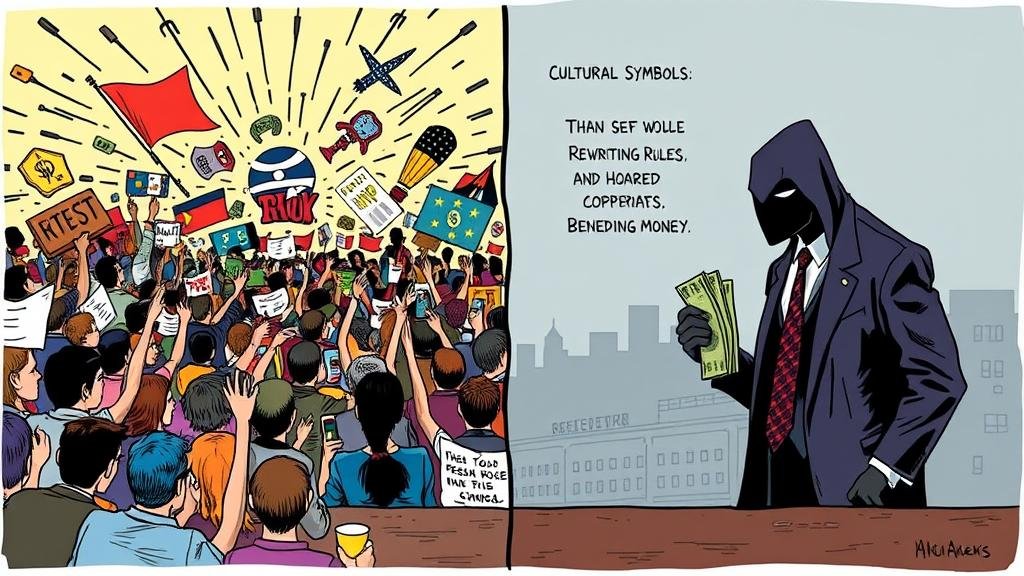
This brings us to a hot take from our guy Acemoglu: Getting bogged down in cultural politics is a trap. He argues that when we’re all busy fighting over identity-based grievances, we take our eyes off the ball. And while we’re distracted, the real players—the corporate lobbyists and the billionaire class—are quietly rewriting the rules in their favor. It’s the oldest trick in the book: look at the shiny object over here while I pick your pocket over there. This is a challenge for progressive organizing.
Now, before you jump down my throat in the comments, this isn’t about dismissing issues of racial justice or gender equality. Not at all. In fact, Acemoglu’s framework would say those are the very lines along which the powerful draw their exclusive circles. The key, he suggests, is to connect those struggles to a bigger economic agenda that unites people. Mamdani seems to get this, framing racial and economic justice as two sides of the same horribly undervalued coin. It’s like trying to fix a leaky pipe by arguing about the color of the bathroom tiles. Important? Maybe. The most pressing issue when your feet are wet? Probably not.
The Case for Pro-Worker AI
Alright, let’s talk about the robots. If you’ve watched any sci-fi movie ever, you probably think AI is coming for your job, your car, and maybe your dog. The dominant story, spun by Silicon Valley, is that a future of mass unemployment is basically inevitable. This is a major concern for the future of work.
Here’s the part where Acemoglu walks in, clears his throat, and says, “Actually, no.” In his book Power and Progress, he argues that the direction of technology is a choice, not some unstoppable force of nature. The current obsession with creating AI that replaces humans isn’t a technical requirement; it’s a business decision made by a handful of people who stand to make a gazillion dollars from it. You feel me?
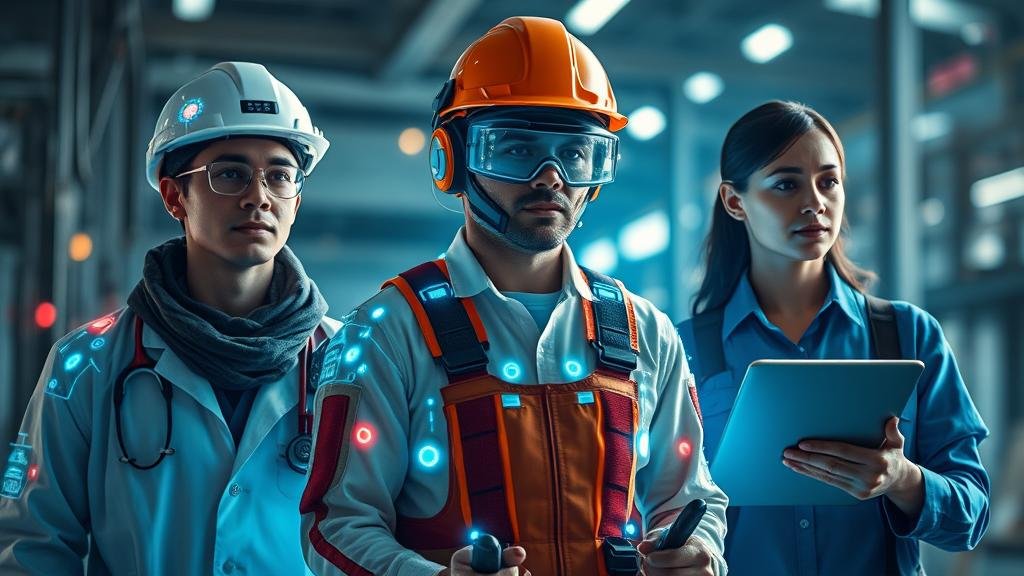
Instead, Acemoglu champions a “pro-worker AI.” This isn’t about building a Terminator; it’s about building an Iron Man suit. We should be designing AI to augment human skills—to make doctors better at diagnosing, plumbers better at plumbing, and writers (ahem) better at… writing. It’s about creating new tools that boost our productivity and give us more control, not just a pink slip. This isn’t a fantasy. It’s a call to action. So, instead of asking, “Will a robot take my job?”, the better question is, “How can we build robots that make me awesome at my job?” And yes, this will be on the test.
The Road Ahead
Okay, deep breath. We’ve covered a politician-slash-rapper, cultural dogfights, and robot overlords. If you’re still reading, wow. You’re officially my favorite.
The rise of figures like Mamdani and the ideas of thinkers like Acemoglu point to a path forward that doesn’t involve yelling at each other on the internet. It reminds us that the economy isn’t like the weather; it’s something we build. By focusing on the bread-and-butter issues that affect everyone, avoiding the divisive cultural traps, and demanding that technology serves humanity (not just a few shareholders), we can actually shape the future.
These aren’t just academic squabbles for nerds in ivory towers (no offense, nerds, you’re my people). This stuff matters. It’s about building a society where people can afford to live, work, and maybe even laugh a little. And if we can pull that off, it would be a future worth logging on for. This is where political campaign SEO can make a real difference, by getting these ideas in front of more people.