A Man Called Adam DJs Nurture Middlesbrough's Next Gen
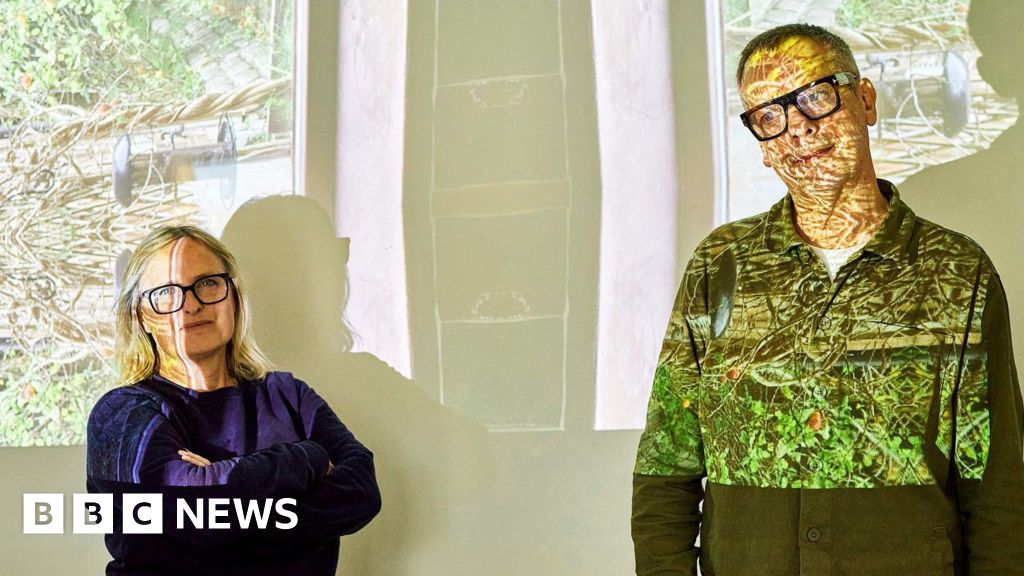
Middlesbrough DJs Sally Rodgers and Steve Jones nurturing new generationImage Credit: BBC News
Key Points
- •Middlesbrough DJs Sally Rodgers and Steve Jones Nurturing New Generation
- •LONDON – From the sun-drenched terraces of Ibiza's legendary Café del Mar to the post-industrial landscape of Teesside, a quiet but potent economic transformation is underway. Sally Rodgers and Steve Jones, the internationally acclaimed duo behind the electronic music act "A Man Called Adam," are channeling decades of industry success into a ground-up initiative designed to cultivate the next generation of creative talent in their hometown of Middlesbrough, representing a significant private investment in the region's human capital.
- •Addressing the Skills Gap: The programme provides hands-on training in DJing, digital music production, sound engineering, and event management. These are transferable, high-demand skills applicable across music, film, gaming, and broadcasting.
- •Fostering Entrepreneurship: Beyond technical skills, the curriculum emphasizes the business of music. Participants learn about intellectual property, marketing, contract negotiation, and building a personal brand, equipping them to operate as self-sufficient creative entrepreneurs.
- •Placemaking and Brand Elevation: By establishing a centre of excellence for electronic music, the initiative helps rebrand Teesside as a hub for creative innovation. This can attract further investment, creative professionals, and cultural tourism, generating a positive feedback loop for the local economy.
Middlesbrough DJs Sally Rodgers and Steve Jones Nurturing New Generation
Electronic Music Pioneers Invest in Teesside's Creative Economy, Forging a New Model for Regional Skills Development
LONDON – From the sun-drenched terraces of Ibiza's legendary Café del Mar to the post-industrial landscape of Teesside, a quiet but potent economic transformation is underway. Sally Rodgers and Steve Jones, the internationally acclaimed duo behind the electronic music act "A Man Called Adam," are channeling decades of industry success into a ground-up initiative designed to cultivate the next generation of creative talent in their hometown of Middlesbrough, representing a significant private investment in the region's human capital.
While the throb of Balearic dancefloors may seem a world away from the hum of modern Teesside, Rodgers and Jones are bridging that gap. Their project is more than a passion project; it is a strategic intervention in the local economy, creating a new pipeline for skills in a high-growth global industry and challenging the narrative of regional "brain drain."
The Big Picture: From Global Stage to Local Impact
Sally Rodgers and Steve Jones are pioneers of the UK's acid jazz and electronic music scenes. Their work as "A Man Called Adam" produced iconic tracks that became anthems for a generation, cementing their status as influential artists. Rodgers continues to DJ at premier venues worldwide, including a residency at the very Café del Mar she helped make famous.
This global success provides the foundation for their current focus: reinvesting their expertise and social capital back into Middlesbrough. The initiative aims to formalise pathways into the creative industries for young people in a region historically reliant on heavy industry and now seeking robust economic diversification.
A Strategic Play for the Creative Economy
The duo's venture functions as a social enterprise, blending artistic mentorship with tangible business skills. It targets a critical gap in the market, providing vocational training that is often inaccessible outside of major metropolitan hubs like London or Manchester.
This is a calculated move that aligns with the UK's broader economic strategy. The creative industries contributed over £115 billion to the UK economy pre-pandemic and are a cornerstone of future growth. This Teesside initiative is a micro-example of how to decentralise that growth.
-
Addressing the Skills Gap: The programme provides hands-on training in DJing, digital music production, sound engineering, and event management. These are transferable, high-demand skills applicable across music, film, gaming, and broadcasting.
-
Fostering Entrepreneurship: Beyond technical skills, the curriculum emphasizes the business of music. Participants learn about intellectual property, marketing, contract negotiation, and building a personal brand, equipping them to operate as self-sufficient creative entrepreneurs.
-
Placemaking and Brand Elevation: By establishing a centre of excellence for electronic music, the initiative helps rebrand Teesside as a hub for creative innovation. This can attract further investment, creative professionals, and cultural tourism, generating a positive feedback loop for the local economy.
The Teesside Context: A Region in Transition
To understand the significance of this project, one must understand Teesside. A region proud of its industrial heritage in steelmaking and chemicals, it has faced significant economic headwinds over the past several decades. While large-scale investment in green energy and advanced manufacturing is reshaping its future, diversifying into the creative and digital sectors is seen as crucial for long-term resilience.
Initiatives like this are vital for two reasons: they provide immediate opportunities for young people and they build the "soft infrastructure"—the culture, skills, and networks—that makes a region attractive for sustained growth.
The Business of Nurturing Talent
The project is structured to be sustainable, moving beyond a simple charity model. While initial funding may be supported by grants and the founders' own capital, the long-term vision includes revenue streams from workshops, branded events, and partnerships with educational institutions and commercial entities.
-
Core Mission: To empower young people in the Tees Valley by providing professional-grade education and mentorship in the creative and technical aspects of the music industry.
-
Curriculum Focus: A blend of practical artistry (e.g., using Ableton Live, Pioneer DJ equipment) and business acumen (e.g., royalty collection, social media strategy).
-
Target Demographic: Primarily young people (16-25) from the local area who demonstrate a passion for music but may lack the resources or connections to pursue it professionally.
According to Rodgers, the motivation is to "demystify the industry and show that a sustainable career in the arts is achievable, regardless of your postcode." This sentiment reflects a shift from viewing creative pursuits as a hobby to recognising them as a viable and valuable profession.
The Bottom Line: Implications and Next Steps
The initiative by Rodgers and Jones serves as a powerful case study in artist-led regional development. It demonstrates how successful individuals can leverage their market-specific expertise to generate social and economic returns in their communities.
The key question now is one of scale and replicability. While born from the unique vision of its founders, the model itself offers a blueprint for other regions seeking to harness the power of their local creative ecosystems.
-
Scalability and Replication: The success of the Teesside project could encourage similar ventures in other post-industrial towns across the UK and Europe. The framework—combining high-level mentorship, practical skills, and business training—is highly adaptable.
-
Long-Term Economic Impact: The true return on this investment will be measured in the coming years, through the number of graduates who secure employment, start their own businesses, or choose to remain and build their careers in Teesside.
-
Future Funding: Securing a diverse funding mix from public arts councils, private sector partnerships, and educational bodies will be critical for long-term stability and expansion.
Ultimately, this project is more than just teaching kids how to mix records. It is an investment in the future of Teesside, using the universal language of music to build a more diverse, resilient, and creative local economy. Financial markets and regional development agencies would do well to watch this space closely.
Source: BBC News
Related Articles
Nationwide Protests Against ICE Enforcement Erupt in U.S.
Thousands are protesting ICE after the DOJ declined to investigate a fatal agent-involved shooting in Minneapolis, fueling a national movement and public anger.
Venezuela Amnesty Bill Could Free Political Prisoners
Learn about Venezuela's proposed amnesty bill to release political prisoners. The move could signal a major political shift and affect future economic sanctions
Pokémon Cancels Yasukuni Shrine Event After Backlash
The Pokémon Company has canceled an event at Tokyo's controversial Yasukuni Shrine after facing international backlash from China and South Korea.
US to Lose Measles Elimination Status: What It Means
The U.S. is poised to lose its measles elimination status due to escalating outbreaks. Learn what this downgrade means for public health and the economy.