Ukraine Faces -20C Winter Amid Fragile Energy Truce
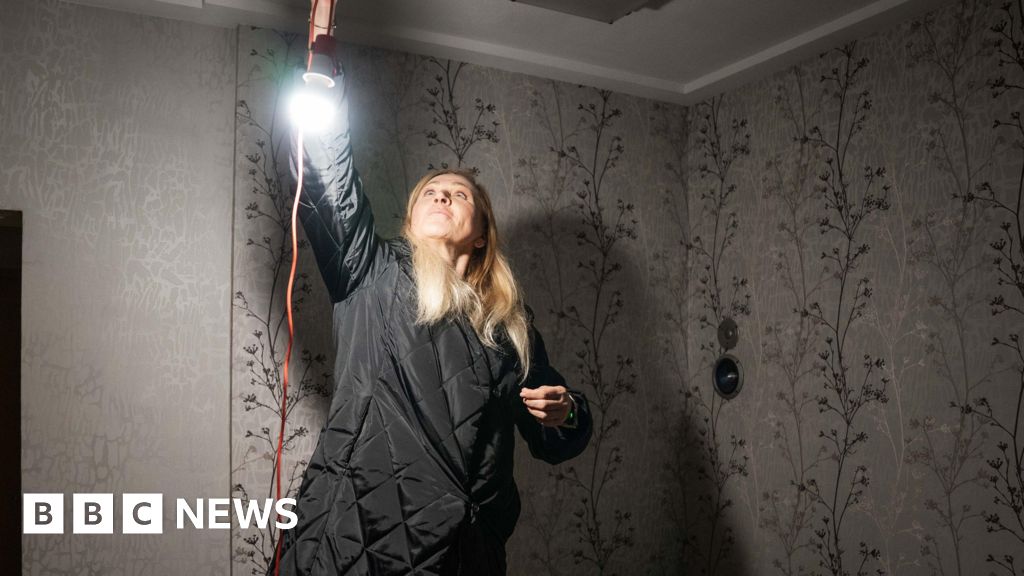
Ukrainians brace for -20C despite energy truce: 'It will be a catastrophe'Image Credit: BBC News
Key Points
- •KYIV, Ukraine – A fragile "energy truce" has brought a tentative pause to Russia's systematic attacks on Ukraine's power grid, but it offers little comfort to citizens facing a brutal winter. With temperatures forecast to plummet to -20 degrees Celsius (-4°F), the stability of the nation's battered energy infrastructure remains the single most critical factor for survival, and trust in the truce is perilously thin.
- •Infrastructure Damage: Analysts estimate that over 50% of Ukraine's total energy infrastructure has been damaged or destroyed. This has led to a significant generation deficit, forcing authorities to implement rolling blackouts to prevent a total grid failure.
- •Humanitarian Impact: For millions, life is dictated by blackout schedules. Without power, there is often no water, no heating, and no means to cook. In high-rise apartment blocks, the elderly and infirm can become trapped. Should the grid collapse during a deep freeze, humanitarian organizations warn the outcome "will be a catastrophe."
- •Key Concern: The primary fear is that Russia is using the truce to gather intelligence on repaired locations, only to strike them again with greater precision once the coldest weather sets in, maximizing the impact.
- •Verification: There is no independent monitoring body on the ground to verify compliance, leaving the truce entirely dependent on the Kremlin's goodwill—a commodity Ukraine views as non-existent.
Ukrainians brace for -20C despite energy truce: 'It will be a catastrophe'
KYIV, Ukraine – A fragile "energy truce" has brought a tentative pause to Russia's systematic attacks on Ukraine's power grid, but it offers little comfort to citizens facing a brutal winter. With temperatures forecast to plummet to -20 degrees Celsius (-4°F), the stability of the nation's battered energy infrastructure remains the single most critical factor for survival, and trust in the truce is perilously thin.
The cessation of targeted missile and drone strikes on power plants and substations is a welcome, if temporary, reprieve. It provides a crucial window for emergency crews to patch up a system that has been pushed to the brink of collapse. Yet, on the streets of Kyiv and in cities across the country, the mood is one of deep-seated anxiety, not relief.
"Of course we are following the talks, we want some stability," says Iryna, a resident who, like millions, has grown accustomed to scheduled and emergency blackouts. "But how can we trust Russia not to stab us in the back?" Her sentiment reflects a national consensus forged over months of conflict: hope for peace is overshadowed by the experience of broken promises.
The State of the Grid
Months of relentless Russian bombardment have inflicted catastrophic damage on Ukraine's ability to generate and distribute electricity. The strategy appeared designed to weaponize winter, aiming to break civilian morale and cripple the nation's economic capacity.
While the current truce allows for critical repairs, the scale of the destruction is staggering. Officials from Ukrenergo, the state grid operator, have reported that nearly every major thermal and hydroelectric power plant has sustained damage. The most difficult components to repair or replace are the massive, Soviet-era high-voltage transformers, for which replacements are scarce and difficult to transport.
- Infrastructure Damage: Analysts estimate that over 50% of Ukraine's total energy infrastructure has been damaged or destroyed. This has led to a significant generation deficit, forcing authorities to implement rolling blackouts to prevent a total grid failure.
- Humanitarian Impact: For millions, life is dictated by blackout schedules. Without power, there is often no water, no heating, and no means to cook. In high-rise apartment blocks, the elderly and infirm can become trapped. Should the grid collapse during a deep freeze, humanitarian organizations warn the outcome "will be a catastrophe."
A Truce Built on Skepticism
The so-called energy truce is not a formal, signed agreement but rather an informal understanding, reportedly brokered by international intermediaries. Its primary objective is to prevent a full-scale humanitarian disaster during the coldest months. However, its terms and enforcement mechanisms remain opaque, fueling widespread doubt.
The core of the issue is a profound lack of trust. Ukrainian officials and citizens alike remember previous ceasefires and agreements that were violated, making the current pause feel more like a tactical repositioning by Moscow than a genuine step toward de-escalation.
- Key Concern: The primary fear is that Russia is using the truce to gather intelligence on repaired locations, only to strike them again with greater precision once the coldest weather sets in, maximizing the impact.
- Verification: There is no independent monitoring body on the ground to verify compliance, leaving the truce entirely dependent on the Kremlin's goodwill—a commodity Ukraine views as non-existent.
- Strategic Calculation: Military analysts suggest the pause may also allow Russia to conserve its dwindling stocks of precision-guided munitions for future strategic offensives.
The Economic Fallout
As a financial correspondent, the economic implications of this energy crisis are stark and multifaceted. The direct cost of repairs is monumental, but the indirect costs of a crippled energy sector are arguably even more damaging to Ukraine's long-term viability.
The World Bank and the Kyiv School of Economics have placed the cost of rebuilding Ukraine's energy sector in the tens of billions of dollars. This figure rises with every new attack and represents a massive liability for a nation already dependent on foreign financial aid to fund its war effort and basic government functions.
- Direct Financial Costs: The immediate need is for capital to purchase equipment like transformers, circuit breakers, and turbines. International partners, including the EU and the U.S., have established an energy support fund and are shipping physical components, but the logistical and financial challenges are immense.
- Economic Paralysis: The lack of a stable power supply has a cascading effect on the economy. Factories cannot maintain production schedules, small businesses from bakeries to IT firms are forced to close or invest in expensive generators, and the agricultural sector struggles with processing and storage. This sustained disruption severely curtails GDP and tax revenue.
- Investment Chills: The ongoing threat to critical infrastructure acts as a powerful deterrent to the private investment needed for reconstruction. Without security guarantees and a stable energy supply, rebuilding the broader economy remains a distant prospect.
Outlook: A Winter of Uncertainty
The immediate future for Ukraine is a race against time and temperature. Repair crews are working around the clock, but they are only patching a system that requires a complete overhaul. The resilience of the Ukrainian people has been extraordinary, with communities organizing to share resources and businesses adapting to unpredictable conditions.
The success or failure of the energy truce will be the ultimate test. If it holds, it may allow Ukraine to scrape through the winter without a complete societal breakdown. If it fails, the consequences will be measured not just in economic losses, but in human lives.
For now, Ukrainians are bracing for the worst. They are stocking up on firewood, power banks, and warm clothes, preparing for a winter where survival will depend as much on their own fortitude as on a fragile truce with an adversary they have no reason to trust. The international community watches, providing aid, but ultimately aware that the fate of Ukraine's winter rests on the precarious stability of its power lines and the unpredictable intentions of Moscow.
Source: BBC News
Related Articles
Nationwide Protests Against ICE Enforcement Erupt in U.S.
Thousands are protesting ICE after the DOJ declined to investigate a fatal agent-involved shooting in Minneapolis, fueling a national movement and public anger.
Venezuela Amnesty Bill Could Free Political Prisoners
Learn about Venezuela's proposed amnesty bill to release political prisoners. The move could signal a major political shift and affect future economic sanctions
ARRY Stock Sinks Despite Market Gains: What to Know
Array Technologies (ARRY) stock declined 2.5% in the latest session, contrasting with market gains. Find out why the solar stock fell and what it means for inve