Pokémon Cancels Yasukuni Shrine Event After Backlash
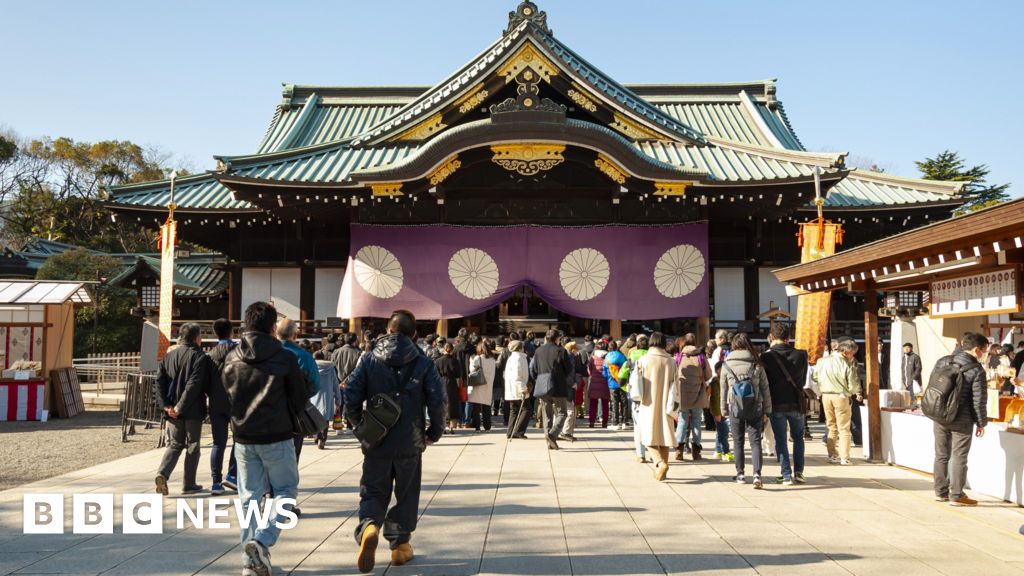
Pokémon cancels event at controversial Japan shrine following backlashImage Credit: BBC News
Key Points
- •TOKYO – The Pokémon Company, the multi-billion-dollar entity managing one of the world's most valuable media franchises, has abruptly canceled a planned event and issued a formal apology after facing a firestorm of international criticism for its association with Tokyo's controversial Yasukuni Shrine. The incident underscores the significant geopolitical risks global brands face when navigating sensitive historical landscapes in key Asian markets.
- •The Event: The collaboration was reportedly tied to the popular location-based game Pokémon Go, which encourages players to visit real-world landmarks designated as "PokéStops" or "Gyms." Associating a game location with the shrine was seen as an implicit endorsement.
- •The Organizer: By emphasizing that the event was organized by a "certified third party," The Pokémon Company attempted to create a degree of separation, suggesting a lapse in oversight rather than a deliberate corporate decision.
- •The Apology: The firm's public apology was unequivocal, a clear signal to consumers and partners that it recognized the severity of the backlash and the potential for significant brand damage.
- •Honoring the War Dead: The shrine's Book of Souls lists the names of nearly 2.5 million men, women, and children, primarily Japanese soldiers, who died in the nation's wars.
Pokémon cancels event at controversial Japan shrine following backlash
TOKYO – The Pokémon Company, the multi-billion-dollar entity managing one of the world's most valuable media franchises, has abruptly canceled a planned event and issued a formal apology after facing a firestorm of international criticism for its association with Tokyo's controversial Yasukuni Shrine. The incident underscores the significant geopolitical risks global brands face when navigating sensitive historical landscapes in key Asian markets.
The company's swift reversal highlights a critical failure in corporate due diligence, placing a globally-recognized, family-friendly brand at the center of a decades-old diplomatic controversy involving war history and national memory.
Swift Reversal Amidst International Outcry
The planned event, part of a collaboration with a certified third-party organizer, was quickly erased from official Pokémon channels following widespread condemnation on social media platforms across East Asia, particularly in China and South Korea.
In a statement, The Pokémon Company acknowledged the gravity of the misstep, stating the event "should not have been held in the first place." The apology aimed to immediately distance the core brand from the controversy and begin the process of damage control.
- The Event: The collaboration was reportedly tied to the popular location-based game Pokémon Go, which encourages players to visit real-world landmarks designated as "PokéStops" or "Gyms." Associating a game location with the shrine was seen as an implicit endorsement.
- The Organizer: By emphasizing that the event was organized by a "certified third party," The Pokémon Company attempted to create a degree of separation, suggesting a lapse in oversight rather than a deliberate corporate decision.
- The Apology: The firm's public apology was unequivocal, a clear signal to consumers and partners that it recognized the severity of the backlash and the potential for significant brand damage.
Why It Matters: The Yasukuni Controversy
For multinational corporations, Yasukuni Shrine is not merely a historical site; it is a geopolitical flashpoint. Understanding its significance is crucial to comprehending the scale of Pokémon's public relations crisis.
The Shinto shrine was established in 1869 to commemorate those who have died in service of Japan. However, its modern controversy stems from a secret enshrinement in 1978.
- Honoring the War Dead: The shrine's Book of Souls lists the names of nearly 2.5 million men, women, and children, primarily Japanese soldiers, who died in the nation's wars.
- The Core Controversy: Among those honored are 14 individuals convicted as Class-A war criminals by an international tribunal after World War II, including wartime Prime Minister Hideki Tojo. This is the central reason for the shrine's infamy abroad.
- Geopolitical Tensions: Visits to the shrine by Japanese prime ministers and cabinet members consistently draw formal diplomatic protests from Beijing and Seoul, which view such acts as evidence of Japan's lack of remorse for its past military aggression and colonial rule.
Navigating a Geopolitical Minefield
This incident places The Pokémon Company on a growing list of global brands that have inadvertently stumbled into sensitive geopolitical issues in East Asia, often with significant commercial consequences. For a company heavily reliant on its appeal in markets like China and South Korea, the gaffe represented a direct threat to its revenue and brand equity.
The Pokémon franchise, co-owned by Nintendo, Creatures, and Game Freak, is a commercial juggernaut. Its video games, merchandise, and mobile applications generate billions in annual revenue, with Asia being a cornerstone of its global strategy.
- Brand Reputation Risk: The core identity of the Pokémon brand is built on friendship, adventure, and inclusivity. An association, however indirect, with war criminals and historical revisionism is profoundly toxic and antithetical to these values.
- Market Access Risk: The Chinese and South Korean markets are critical for the gaming and entertainment industries. Alienating hundreds of millions of consumers in these countries could have led to boycotts, delisting of apps, and long-term erosion of market share.
- Shareholder Concern: Nintendo, as a publicly-traded part-owner, is sensitive to controversies that can impact investor confidence. While the direct financial loss from a single canceled event is negligible, the reputational damage can have a far greater and more lasting impact on valuation.
The Digital Backlash and Corporate Response
The reaction to the event's announcement was immediate and fierce. Screenshots of the promotional material spread rapidly across social media platforms like Weibo in China and Twitter (now X) globally, with users expressing shock and anger at the brand's apparent ignorance or insensitivity.
The Pokémon Company’s crisis management playbook was executed with notable speed, suggesting an awareness of the potential for exponential damage.
- Immediate Action: The first step was to cancel the event and scrub all mentions of it from official websites and social media, effectively cauterizing the wound.
- Public Contrition: The direct and unambiguous apology was crucial. By admitting the event should never have been planned, the company aimed to placate offended consumers and demonstrate accountability.
- Strategic Distancing: The mention of a "third party" serves as a classic crisis communications tactic. It allows the parent company to take responsibility for the oversight while implying the initial error originated with an external partner, thereby protecting the core brand's integrity.
The Bottom Line: A Lesson in Due Diligence
For The Pokémon Company and other global enterprises, this incident is a stark reminder that operating in international markets requires more than just logistical and commercial planning. It demands a sophisticated level of cultural, historical, and political due diligence.
The swift apology likely mitigated the worst of the potential long-term damage. However, the misstep has undoubtedly registered with consumers and regulators in the region, placing the company's future activities under a microscope.
- Internal Review: The Pokémon Company will almost certainly conduct a rigorous internal review of its processes for vetting and approving third-party collaborations and location-based events to prevent a recurrence.
- Heightened Scrutiny: This event serves as a case study for all multinational brands. The expectation for "geopolitical awareness" is no longer optional; it is a fundamental component of risk management in a globalized economy.
- Looking Ahead: While the Pokémon brand is resilient, this incident highlights its vulnerability. The company's ability to demonstrate a genuine understanding of regional sensitivities will be critical to rebuilding trust and ensuring its continued success in some of the world's most dynamic markets.
Source: BBC News
Related Articles
Nationwide Protests Against ICE Enforcement Erupt in U.S.
Thousands are protesting ICE after the DOJ declined to investigate a fatal agent-involved shooting in Minneapolis, fueling a national movement and public anger.
Venezuela Amnesty Bill Could Free Political Prisoners
Learn about Venezuela's proposed amnesty bill to release political prisoners. The move could signal a major political shift and affect future economic sanctions
US to Lose Measles Elimination Status: What It Means
The U.S. is poised to lose its measles elimination status due to escalating outbreaks. Learn what this downgrade means for public health and the economy.
Rybakina Stuns Sabalenka in Australian Open 2026 Final
Elena Rybakina stages a remarkable comeback to defeat Aryna Sabalenka in a dramatic three-set thriller, capturing the Australian Open 2026 women's title.