250 UK Councillors to Serve Seven-Year Terms Amid Delays
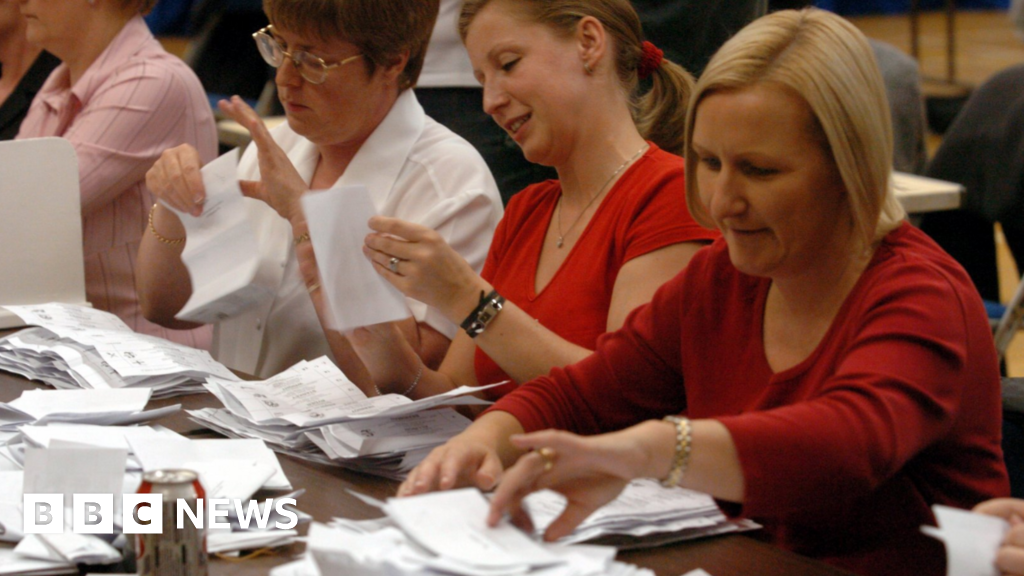
250 councillors will serve seven year terms, following election delaysImage Credit: BBC Politics
Key Points
- •The Big Picture: A sweeping reorganisation of English local government has triggered an unprecedented extension of political mandates. Approximately 250 councillors across four major county councils are now set to serve seven-year terms—nearly double the standard four-year cycle—after the government confirmed widespread election delays.
- •29 Councils Affected: A mix of county, district, and borough councils will no longer head to the polls this May.
- •650+ Councillors: The total number of elected officials who will remain in post beyond their original mandates.
- •The "Seven-Year" Group: 250 councillors on four Conservative-led county councils—last elected in 2021—will now stay in office until 2028.
- •Remaining Elections: Despite the shake-up, elections will proceed in 107 of the 136 councils originally eligible this year.
Democratic Deficit or Structural Necessity? 250 Councillors Handed Seven-Year Terms Amid Reorganisation
The Big Picture: A sweeping reorganisation of English local government has triggered an unprecedented extension of political mandates. Approximately 250 councillors across four major county councils are now set to serve seven-year terms—nearly double the standard four-year cycle—after the government confirmed widespread election delays.
In total, elections have been postponed in 29 local authority areas as the Department for Levelling Up, Housing and Communities seeks to dismantle "outdated" two-tier administrative structures. While the government frames the move as a pragmatic step toward efficiency, the decision has drawn sharp rebukes from the UK’s electoral watchdog and sparked internal friction within the Conservative Party.
The Scale of the Delay
The postponement affects more than just the headline-grabbing county councils. Across England, the democratic calendar has been rewritten for dozens of authorities.
- 29 Councils Affected: A mix of county, district, and borough councils will no longer head to the polls this May.
- 650+ Councillors: The total number of elected officials who will remain in post beyond their original mandates.
- The "Seven-Year" Group: 250 councillors on four Conservative-led county councils—last elected in 2021—will now stay in office until 2028.
- Remaining Elections: Despite the shake-up, elections will proceed in 107 of the 136 councils originally eligible this year.
Why it matters
In a standard representative democracy, the four-year term serves as a critical "reset" button for voters. Extending these terms to seven years without a fresh mandate raises significant questions about accountability and the validity of local representation.
Political Breakdown: Who Stays in Power?
The delays disproportionately benefit the Conservative Party in terms of raw numbers, though all major parties have councillors affected by the extension.
The Seven-Year Term Cohort (County Councils):
- Conservatives: 154 councillors
- Liberal Democrats: 28 councillors
- Labour: 24 councillors
- Green Party: 16 councillors
- Reform UK: 8 councillors
- Independents/Others: 20 councillors
Total Impacted Councillors (All 29 Councils): When including the 25 district and borough councils, the net is cast wider. The Conservatives remain the largest group with 238 councillors staying in post, followed by Labour with 206. The Liberal Democrats (81), Greens (39), and Reform (26) also see significant numbers of incumbents granted an automatic extension.
The "Outlier" Debate: Internal Tory Friction
The move has created a public rift between the Conservative central leadership and local Tory-led administrations. Conservative leader Kemi Badenoch has distanced the party from the decision, despite the fact that three of the councils requesting delays are Conservative-controlled.
Badenoch’s Stance:
- Policy vs. Practice: Badenoch stated that Conservative Party policy is for elections to go ahead as scheduled this May.
- The "Two-Year" Limit: While she conceded that a one-year delay for reorganisation is "understandable," she labelled a two-year extension as "just too long."
- Autonomous Councils: Dismissing the councils involved as "outliers," she noted that the party is "not a dictatorship" and local leaders have their own mandates to make such requests.
The Government’s Case: Efficiency Over Bureaucracy
Steve Reed, the minister responsible for local government, has defended the delays as a necessary evil to facilitate "once-in-a-generation" reforms. The government’s primary objective is the abolition of the two-tier system (where responsibilities are split between county and district councils) in favour of unitary authorities.
The Reform Rationale:
- Cost Savings: Reducing duplication of services to save taxpayer money.
- Service Delivery: Faster decision-making on critical issues like housing and infrastructure.
- Resource Allocation: Redirecting funds from administrative "bureaucracy" to frontline services like road repairs (potholes), crime prevention, and social care for the elderly.
"Cutting through two-tier bureaucracy means... more money going to potholes, tackling crime and caring for older people instead of being lost to duplication," Reed argued.
The Watchdog’s Warning
The Electoral Commission, the UK’s independent body for election integrity, has expressed formal concern over the precedent being set.
Key Concerns:
- Exceptional Circumstances Only: The Commission maintains that scheduled elections should only be postponed in "exceptional circumstances."
- Voter Clarity: While the Commission will work to manage the transition, it remains critical of the decision to bypass the democratic process for such a significant number of voters.
- Precedent: There is an underlying fear that administrative reorganisation could become a convenient excuse for sitting governments to avoid the ballot box during periods of low popularity.
Context: The Push for Unitary Status
The reorganisation is part of a broader trend in English local government toward Unitary Authorities.
Historically, many parts of England have used a two-tier system:
- County Councils: Responsible for large-scale services like education, transport, and social care.
- District/Borough Councils: Responsible for local services like rubbish collection, planning applications, and council tax collection.
The government argues this system is confusing for residents and inefficient for budgeting. By merging these into a single "Unitary" body, the government aims to create a "one-stop shop" for local services. However, the transition period is notoriously complex, requiring the merging of IT systems, payroll, and staff contracts—hence the request from local leaders for a "clear runway" without the distraction of an election cycle.
What’s Next?
The immediate focus shifts to the 107 councils where elections will proceed as planned this May. For the 29 "delayed" areas, the path forward involves:
- Administrative Integration: Councils will begin the heavy lifting of merging departments and streamlining services.
- Legislative Approval: The government will continue to process the legal instruments required to formally abolish the old councils and create the new entities.
- 2028 Horizon: Voters in the affected areas now face a three-year wait to have their say on local leadership.
The Bottom Line: While the government prioritises structural reform and long-term savings, the extension of political terms to seven years marks a significant departure from UK democratic norms. The success of this gamble will be measured by whether the promised "efficiency" of unitary authorities actually materialises before the public finally returns to the polls in 2028.
Source: BBC Politics
Related Articles
Nationwide Protests Against ICE Enforcement Erupt in U.S.
Thousands are protesting ICE after the DOJ declined to investigate a fatal agent-involved shooting in Minneapolis, fueling a national movement and public anger.
Venezuela Amnesty Bill Could Free Political Prisoners
Learn about Venezuela's proposed amnesty bill to release political prisoners. The move could signal a major political shift and affect future economic sanctions
Pokémon Cancels Yasukuni Shrine Event After Backlash
The Pokémon Company has canceled an event at Tokyo's controversial Yasukuni Shrine after facing international backlash from China and South Korea.
US to Lose Measles Elimination Status: What It Means
The U.S. is poised to lose its measles elimination status due to escalating outbreaks. Learn what this downgrade means for public health and the economy.