Prince Andrew Vacates Royal Lodge Amid Financial Pressure
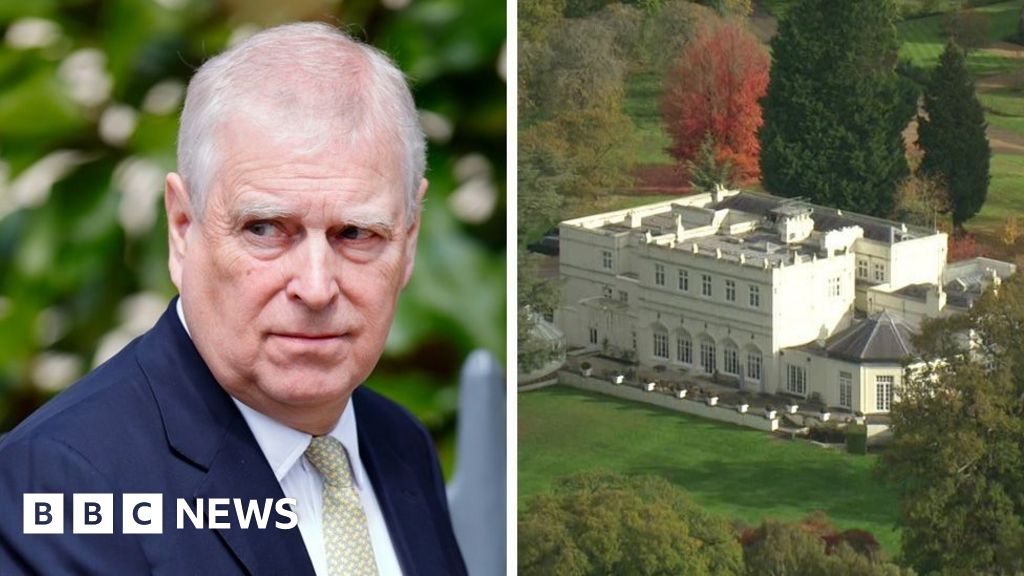
Andrew moves out of Royal Lodge homeImage Credit: BBC News
Key Points
- •LONDON – Prince Andrew, the Duke of York, has officially vacated Royal Lodge as his permanent residence, marking a definitive shift in his status and a significant moment in King Charles III's ongoing restructuring of the Royal Family's extensive property portfolio. The Duke's new permanent base will be in Norfolk, with sources confirming he is expected to return to the 30-room Windsor mansion only to retrieve his final belongings in the coming weeks.
- •The Lease Agreement: In 2003, Prince Andrew signed a 75-year lease for Royal Lodge from the Crown Estate. The agreement required him to pay a one-time premium of £1 million and, crucially, to fund extensive refurbishments and all future upkeep at his own expense. Initial renovations alone were reported to have cost over £7.5 million.
- •Annual Upkeep: The maintenance costs for a property of this scale and age are substantial, estimated to be at least £400,000 per year. This includes staffing, utilities, and routine repairs. The property was reportedly in need of major work, including a multi-million-pound roof repair, which exacerbated the financial pressure.
- •Income Disruption: After stepping back from royal duties in 2019, Prince Andrew lost his annual taxpayer-funded Sovereign Grant allowance. More recently, his annual stipend from the Duchy of Lancaster, estimated at £249,000, was significantly cut, leaving him with limited means to cover the Lodge's formidable expenses.
- •The Settlement: The Duke's financial position was further strained by the multi-million-pound out-of-court settlement he paid to Virginia Giuffre in 2022 to end a civil assault case in the U.S. While the exact figure remains confidential, it is widely reported to be as high as £12 million, a sum that severely depleted his personal wealth.
Andrew Moves Out of Royal Lodge Home
LONDON – Prince Andrew, the Duke of York, has officially vacated Royal Lodge as his permanent residence, marking a definitive shift in his status and a significant moment in King Charles III's ongoing restructuring of the Royal Family's extensive property portfolio. The Duke's new permanent base will be in Norfolk, with sources confirming he is expected to return to the 30-room Windsor mansion only to retrieve his final belongings in the coming weeks.
The move concludes months of intense speculation and reported friction over the future of the Grade II-listed property. For the Duke, it represents the tangible, financial consequence of his withdrawal from public life. For the monarchy, it is a clear demonstration of the King's intent to streamline operations, reduce costs, and assert control over key Crown assets.
This is not merely a change of address; it is a strategic realignment of assets and personnel, reflecting a new, more fiscally-conscious era for the House of Windsor.
The Financials of Royal Lodge
The dispute over Royal Lodge was rooted in complex financial arrangements and the high cost of its maintenance, which became untenable following the Duke of York's loss of publicly-funded income.
-
The Lease Agreement: In 2003, Prince Andrew signed a 75-year lease for Royal Lodge from the Crown Estate. The agreement required him to pay a one-time premium of £1 million and, crucially, to fund extensive refurbishments and all future upkeep at his own expense. Initial renovations alone were reported to have cost over £7.5 million.
-
Annual Upkeep: The maintenance costs for a property of this scale and age are substantial, estimated to be at least £400,000 per year. This includes staffing, utilities, and routine repairs. The property was reportedly in need of major work, including a multi-million-pound roof repair, which exacerbated the financial pressure.
-
Income Disruption: After stepping back from royal duties in 2019, Prince Andrew lost his annual taxpayer-funded Sovereign Grant allowance. More recently, his annual stipend from the Duchy of Lancaster, estimated at £249,000, was significantly cut, leaving him with limited means to cover the Lodge's formidable expenses.
-
The Settlement: The Duke's financial position was further strained by the multi-million-pound out-of-court settlement he paid to Virginia Giuffre in 2022 to end a civil assault case in the U.S. While the exact figure remains confidential, it is widely reported to be as high as £12 million, a sum that severely depleted his personal wealth.
A "Slimmed-Down" Monarchy in Action
This development is the most prominent example to date of King Charles III's long-stated ambition to create a more modern and cost-effective monarchy. The King's focus is on ensuring that the use of royal properties aligns with the roles of working members of the family and represents value for the Crown Estate.
The move is part of a broader review of the royal property portfolio:
-
Strategic Consolidation: By reclaiming a prime asset like Royal Lodge, the Crown Estate, which manages the sovereign's public properties, can reallocate it for a purpose more aligned with the monarchy's current needs. This prevents a high-value property from being occupied by a non-working royal with limited means for its upkeep.
-
Setting a Precedent: The decision sends a clear message across the family that residency in prestigious royal homes is tied to one's role and ability to maintain the property. This was previously seen in the request for the Duke and Duchess of Sussex to vacate their UK base at Frogmore Cottage.
-
Public Perception: At a time of national economic pressure, the optics of a non-working royal occupying a vast, expensive mansion were increasingly problematic. This move helps manage public perception by demonstrating a more pragmatic and fiscally responsible approach to the monarchy's assets.
Background: The Path to Departure
The Duke of York's departure from Royal Lodge is the culmination of a precipitous fall from his central role within the institution. His association with the convicted sex offender Jeffrey Epstein led to a catastrophic BBC Newsnight interview in November 2019.
The interview, intended to clear his name, was a public relations disaster that made his position as a working royal untenable. He announced he would "step back from public duties for the foreseeable future" just days later.
In January 2022, facing a civil trial in the United States, he was stripped of his military affiliations and royal patronages by the late Queen Elizabeth II and ceased to use the style "His Royal Highness" in any official capacity. The subsequent legal settlement, while preventing a court case, cemented his permanent removal from public life. Without a public role, the justification—and the funding—for maintaining such a significant royal residence evaporated.
Implications and What Comes Next
The departure from Royal Lodge carries significant implications for Prince Andrew, the property itself, and the wider Royal Family.
-
For Prince Andrew: The move to a more modest home in Norfolk signifies a permanent shift to the periphery of royal life. It is a loss of a significant status symbol and his primary base of operations near the heart of the monarchy in Windsor. His future role, if any, will be strictly private.
-
For Royal Lodge: The 98-acre property is now available for reallocation. Speculation is widespread that it could become the new Windsor residence for the Prince and Princess of Wales and their children. Its size, security, and proximity to both Windsor Castle and Lambrook School make it a logical choice for the heir to the throne. This would allow for a more efficient use of a key Crown Estate asset.
-
For the Monarchy: This event solidifies King Charles III's authority and his strategic vision. It underscores that the privileges of royalty are conditional and tied to service. By resolving the contentious issue of Royal Lodge, the King has removed a source of public criticism and taken a decisive step in shaping a monarchy he believes is fit for the 21st century. The focus now shifts to how other royal assets will be managed under this new, pragmatic doctrine.
Source: BBC News
Related Articles
Nationwide Protests Against ICE Enforcement Erupt in U.S.
Thousands are protesting ICE after the DOJ declined to investigate a fatal agent-involved shooting in Minneapolis, fueling a national movement and public anger.
Venezuela Amnesty Bill Could Free Political Prisoners
Learn about Venezuela's proposed amnesty bill to release political prisoners. The move could signal a major political shift and affect future economic sanctions
Pokémon Cancels Yasukuni Shrine Event After Backlash
The Pokémon Company has canceled an event at Tokyo's controversial Yasukuni Shrine after facing international backlash from China and South Korea.
US to Lose Measles Elimination Status: What It Means
The U.S. is poised to lose its measles elimination status due to escalating outbreaks. Learn what this downgrade means for public health and the economy.