Arsenal 1-0 Chelsea: A radical new tactic vs set-pieces
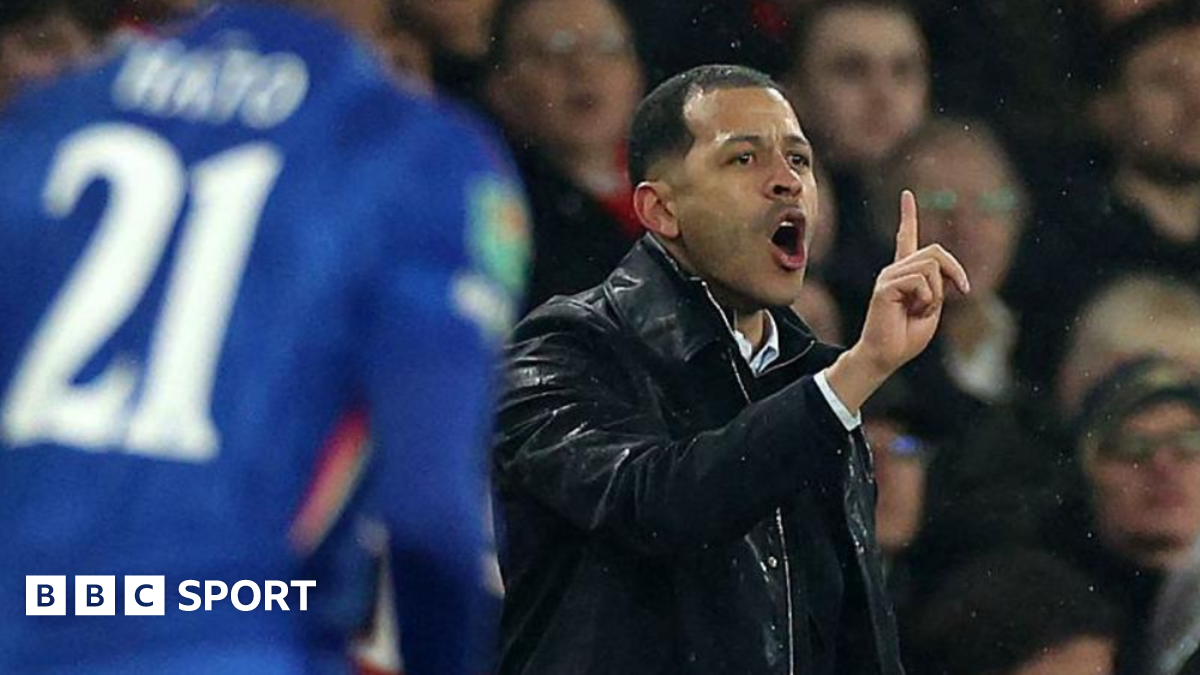
Arsenal 1-0 Chelsea: Blues adopt Match of the Day tactic to stop set-play threatImage Credit: BBC News
Key Points
- •LONDON – In a high-stakes Carabao Cup semi-final, Chelsea deployed a radical, high-risk defensive strategy to neutralize Arsenal's formidable set-piece attack, a move seemingly inspired by a public suggestion from a television pundit just days earlier. While the gambit failed to alter the ultimate outcome—a 1-0 victory for Arsenal, securing a 4-2 aggregate win—it has introduced a disruptive new variable for teams facing the Premier League’s most potent dead-ball specialists.
- •The Execution: Just as the corner-taker began their approach, a trio of Chelsea players vacated the 18-yard box, sprinting into open space in their own half.
- •The Objective: This move was designed to de-congest the most dangerous area of the pitch. By forcing Arsenal to commit players to defensive coverage, Chelsea aimed to disrupt the Gunners' intricate blocking schemes and create more space for their defenders and goalkeeper to attack the ball.
- •The Precedent: While other teams, notably Monaco and Crystal Palace, have previously left one or two players high up the pitch against Arsenal, no team has employed such a dynamic, last-second "breakout" to force the issue so aggressively.
- •Expert Critique: Former Liverpool midfielder Jamie Redknapp, speaking on Sky Sports, highlighted a key vulnerability. "I like the plan, but my problem is Enzo Fernandez was left marking Gabriel and he has 10 yards to attack the ball," he observed. "If Arsenal have the right delivery, Enzo Fernandez has no chance."
Arsenal 1-0 Chelsea: Blues adopt Match of the Day tactic to stop set-play threat
LONDON – In a high-stakes Carabao Cup semi-final, Chelsea deployed a radical, high-risk defensive strategy to neutralize Arsenal's formidable set-piece attack, a move seemingly inspired by a public suggestion from a television pundit just days earlier. While the gambit failed to alter the ultimate outcome—a 1-0 victory for Arsenal, securing a 4-2 aggregate win—it has introduced a disruptive new variable for teams facing the Premier League’s most potent dead-ball specialists.
The 90 minutes at the Emirates Stadium became a fascinating case study in tactical innovation and risk management. Chelsea, under the guidance of manager Liam Rosenior, chose to directly confront the strategic problem that has vexed opponents across Europe for two seasons: how to defend against a meticulously coached Arsenal side that treats every corner and free-kick as a prime scoring opportunity.
The Arsenal Advantage: A Blue-Chip Strategic Asset
Mikel Arteta's Arsenal has transformed the humble set-play into its most reliable and potent weapon. The club's investment in this area has yielded market-leading returns, creating a significant competitive advantage that few rivals have been able to counter.
The numbers provide a stark illustration of their dominance. Since the beginning of last season, Arsenal has scored 53 goals from set-pieces across all competitions. This figure is not just impressive; it is an outlier. It stands 13 goals clear of the next most prolific team in the Premier League, turning dead-ball situations into a near-guaranteed source of offensive pressure and, frequently, goals.
This prowess has forced opposing coaching staffs into a recurring and often fruitless cycle of analysis, with most teams opting for conventional defensive setups that Arsenal has repeatedly proven it can overwhelm with clever blocking, movement, and precise delivery.
Chelsea's Tactical Disruption
Faced with this challenge, Chelsea abandoned convention. As Arsenal prepared to take their two corners during the match, the Blues executed a startlingly unorthodox maneuver. Instead of packing their own penalty area, they instructed three players to break from the defensive mass and sprint towards the halfway line.
The sudden exodus from the box forced an immediate tactical recalculation from Arsenal, who had to detach their own players from the attacking setup to mark the runners, thereby preventing an easy counter-attack.
- The Execution: Just as the corner-taker began their approach, a trio of Chelsea players vacated the 18-yard box, sprinting into open space in their own half.
- The Objective: This move was designed to de-congest the most dangerous area of the pitch. By forcing Arsenal to commit players to defensive coverage, Chelsea aimed to disrupt the Gunners' intricate blocking schemes and create more space for their defenders and goalkeeper to attack the ball.
- The Precedent: While other teams, notably Monaco and Crystal Palace, have previously left one or two players high up the pitch against Arsenal, no team has employed such a dynamic, last-second "breakout" to force the issue so aggressively.
A Theory Tested: From Punditry to Pitch
The origin of this specific tactic appears to be as unconventional as its execution. The strategy bore a striking resemblance to a proposal made just 72 hours earlier by former Premier League goalkeeper Shay Given on the BBC's "Match of the Day."
After witnessing Arsenal score twice from set-pieces in a 4-0 victory over Leeds, an exasperated Given outlined a theoretical counter-move.
"I wish someone would try something different," he stated on the broadcast. "If they leave three up, Arsenal have to leave at least three, maybe four players back. Then, in the defending box, that leaves a lot more space for the defenders and the goalkeeper."
Given's logic was that the chaos Arsenal creates relies on numerical superiority and congestion in the six-yard box. By thinning the herd, a defending team could simplify its task, even if it meant creating more one-on-one matchups. Whether a direct inspiration or a remarkable coincidence, Chelsea’s on-field actions mirrored the pundit's blueprint almost perfectly.
Assessing the Return on Investment
The effectiveness of Chelsea's strategy is a matter of sharp debate, with clear data points supporting both its success and its limitations.
On one hand, the primary objective was unequivocally achieved. Arsenal, the masters of the set-piece, failed to score from one. For a team that has built its success on such moments, being completely neutralized in this phase of the game is a significant tactical victory for the opposition.
However, the broader result tells a different story. Chelsea lost the match and were eliminated from the competition. The tactic, while successful in isolation, did not contribute to a winning outcome.
Furthermore, it drew criticism for its flawed execution in critical moments.
- Expert Critique: Former Liverpool midfielder Jamie Redknapp, speaking on Sky Sports, highlighted a key vulnerability. "I like the plan, but my problem is Enzo Fernandez was left marking Gabriel and he has 10 yards to attack the ball," he observed. "If Arsenal have the right delivery, Enzo Fernandez has no chance."
- Inherent Risk: Redknapp's analysis underscores the high-stakes nature of the gambit. While it reduces overall congestion, it can create isolated mismatches that a top-tier delivery can still exploit. The tactic trades the chaos of a crowded box for the high-wire risk of individual duels.
The Way Forward: A New Tactical Arms Race?
Chelsea's experiment, though ending in defeat, has thrown down a gauntlet. It has provided a potential, if imperfect, blueprint for disrupting Arsenal's most reliable weapon. The question now is whether other Premier League managers will see it as a viable strategy or a reckless gamble.
The decision to adopt such a tactic will likely depend on a team's specific circumstances, risk appetite, and personnel. It may be viewed as a tool for underdogs, a desperate measure when facing an onslaught, or a calculated risk for teams confident in their defenders' ability to win individual aerial battles.
For Arsenal, this development presents a new challenge. Mikel Arteta and his staff must now analyze this counter-move and develop their own adjustments. The tactical arms race has escalated, and the value of their prized set-piece asset will now be tested against a new and unpredictable defensive model. Chelsea may have lost the battle, but they have potentially changed the landscape of the war against Arsenal's set-piece supremacy.
Source: BBC News
Related Articles
Nationwide Protests Against ICE Enforcement Erupt in U.S.
Thousands are protesting ICE after the DOJ declined to investigate a fatal agent-involved shooting in Minneapolis, fueling a national movement and public anger.
Venezuela Amnesty Bill Could Free Political Prisoners
Learn about Venezuela's proposed amnesty bill to release political prisoners. The move could signal a major political shift and affect future economic sanctions
Pokémon Cancels Yasukuni Shrine Event After Backlash
The Pokémon Company has canceled an event at Tokyo's controversial Yasukuni Shrine after facing international backlash from China and South Korea.
US to Lose Measles Elimination Status: What It Means
The U.S. is poised to lose its measles elimination status due to escalating outbreaks. Learn what this downgrade means for public health and the economy.