Big Tech Boycott: How Consumers Are Protesting ICE
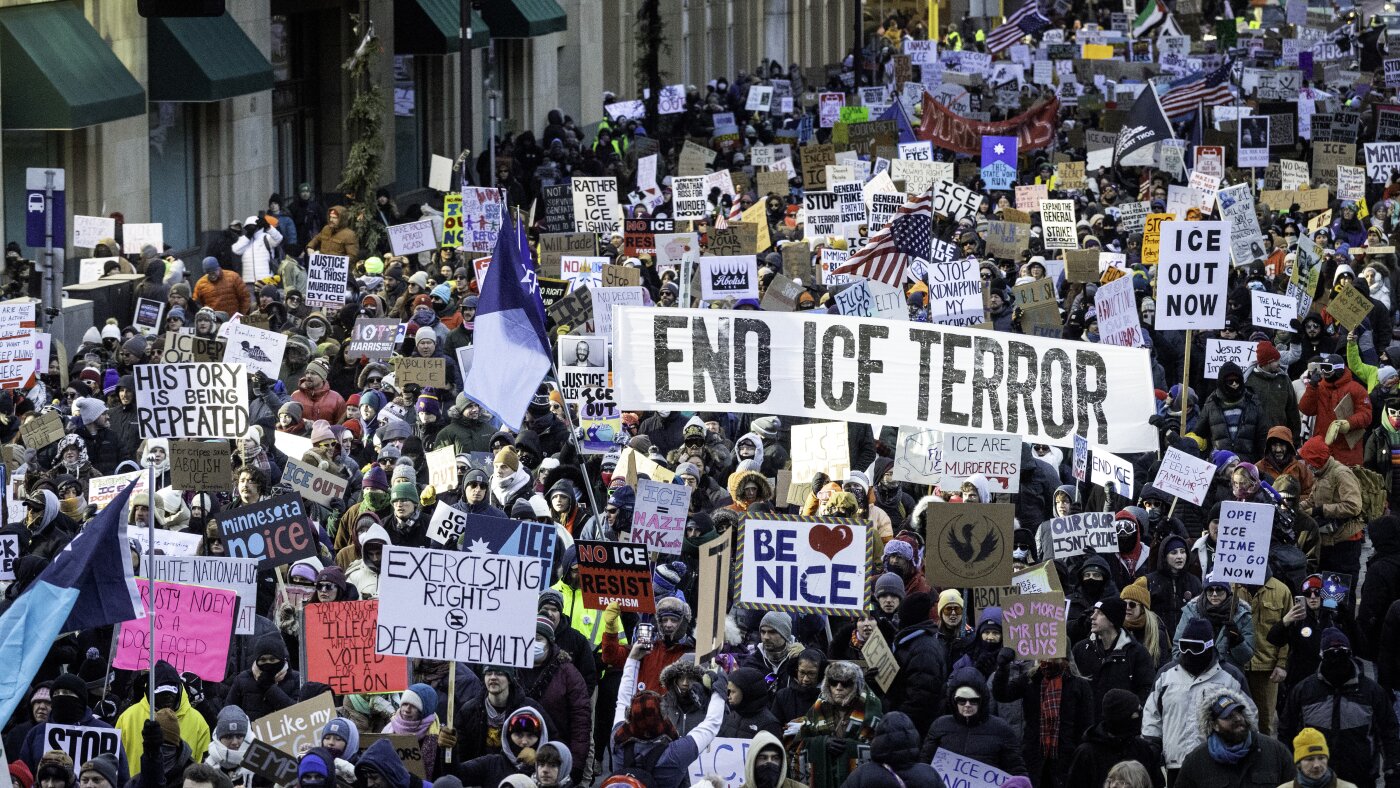
DVDs and public transit: Boycott drives people to ditch Big Tech to protest ICEImage Credit: NPR Business
Key Points
- •Why it matters: The "Resist and Unsubscribe" campaign represents a strategic shift in civic protest, moving beyond street demonstrations to target the administration's perceived sensitivity to market volatility. Its success hinges on whether activists can sustain a boycott of services deeply embedded in modern life.
- •The Catalyst: Galloway cited frustration with the administration's indifference to public outrage over immigration enforcement, specifically pointing to an incident in Minneapolis last month where federal immigration officers shot and killed two U.S. citizens.
- •The Rationale: Galloway believes the most effective way to influence White House policy is through economic pressure. "I think money is a problem for this administration, so I'm leaning in on that front," protester Lisa Shannon told NPR, echoing the campaign's core thesis.
- •The Precedent: Galloway points to the administration's decision to drop proposed tariffs on eight European nations after the plan caused a negative reaction on Wall Street as evidence that financial pressure can force a policy reversal.
- •The Targets: The list includes companies that have direct contracts with U.S. Immigration and Customs Enforcement (ICE) and those whose sheer size makes their financial performance critical to market stability. Tech giants like Amazon, Apple, and Uber are prominent targets.
DVDs and public transit: Boycott drives people to ditch Big Tech to protest ICE
A new consumer-led boycott is taking aim at the U.S. economy's most powerful players, as a growing number of Americans unplug from Big Tech and other corporate giants to protest the Trump administration's aggressive immigration policies.
Why it matters: The "Resist and Unsubscribe" campaign represents a strategic shift in civic protest, moving beyond street demonstrations to target the administration's perceived sensitivity to market volatility. Its success hinges on whether activists can sustain a boycott of services deeply embedded in modern life.
The Big Picture
The month-long boycott, which began this past Sunday, was organized by influential podcaster and NYU marketing professor Scott Galloway. It calls on consumers to cancel subscriptions and halt purchases from over a dozen major corporations.
- The Catalyst: Galloway cited frustration with the administration's indifference to public outrage over immigration enforcement, specifically pointing to an incident in Minneapolis last month where federal immigration officers shot and killed two U.S. citizens.
- The Rationale: Galloway believes the most effective way to influence White House policy is through economic pressure. "I think money is a problem for this administration, so I'm leaning in on that front," protester Lisa Shannon told NPR, echoing the campaign's core thesis.
- The Precedent: Galloway points to the administration's decision to drop proposed tariffs on eight European nations after the plan caused a negative reaction on Wall Street as evidence that financial pressure can force a policy reversal.
"The most radical act you can perform in a capitalist society is non-participation," Galloway told NPR. "I think this is a weapon that is hiding in plain sight."
How It Works
Galloway launched a website that serves as the campaign's hub, listing companies to boycott and outlining the movement's strategy.
- The Targets: The list includes companies that have direct contracts with U.S. Immigration and Customs Enforcement (ICE) and those whose sheer size makes their financial performance critical to market stability. Tech giants like Amazon, Apple, and Uber are prominent targets.
- The Goal: The campaign aims to slow growth at these key companies, creating a ripple effect that could unnerve investors and pressure the White House.
- Early Traction: The strategy appears to be resonating. On Wednesday alone, Galloway reported his website received approximately 250,000 unique page views, indicating significant initial interest.
The movement also builds on localized anger. In Minneapolis, hundreds of businesses recently closed for a day to protest ICE operations, and there are renewed calls for a boycott of the Minneapolis-based Target Corporation, demanding it publicly oppose the administration's immigration crackdown.
The Human Impact
Across the country, individuals are making tangible changes to their daily routines to participate.
- Ditching Digital: In Portland, Ore., Brittany Trahan, 36, has canceled her streaming services, including Netflix and Apple TV, and is buying DVDs instead. "We need a jolt to our systems," she said, expressing that she felt galvanized after doubting the efficacy of traditional protests.
- Changing Commutes: Portland resident Lisa Shannon is now using public transit instead of ride-sharing services like Uber.
- Shopping Local: In McDonough, Ga., Brian Seymour II is consciously choosing to shop at local stores, even in inconvenient weather, to avoid purchasing from Amazon.
The Expert Take
While the campaign is ambitious, consumer behavior experts note it faces significant hurdles but also possesses unique potential. Lucy Atkinson, a professor at the University of Texas at Austin's School of Advertising and Public Relations, provided analysis on the boycott's viability.
- The Challenge: "Asking people to opt out of Big Tech, that could be really hard to do because Big Tech is baked into so many of our day-to-day activities," Atkinson said. Successful boycotts typically require consumers to have viable alternatives, a particular challenge in markets dominated by a single player like Amazon.
- The Potential: Atkinson suggests that even a short-term break from these platforms could weaken long-term consumer dependency, potentially leading to a more sustained and impactful boycott.
- The Real Damage: For most boycotts, the primary impact is not on short-term profits but on a company's reputation. Lasting reputational damage requires a prolonged effort. "Boycotts work when they last," she concluded.
This campaign follows other recent consumer actions, including a Canadian boycott of U.S. goods over tariffs, Tesla owners selling cars to protest CEO Elon Musk's role in the administration, and Disney+ customers canceling subscriptions over programming decisions. However, the broad scope of "Resist and Unsubscribe" makes it a far more demanding endeavor.
The Official Response
The targeted companies did not respond to a request for comment on the boycott.
The White House also declined to comment directly on the campaign. Instead, spokesperson Abigail Jackson reiterated the administration's claim that "anti-ICE rhetoric" is responsible for a sharp increase in assaults on immigration officers. This assertion has been widely cited by the administration, though previous reporting has shown it is not substantiated by public records.
The Bottom Line
It is too early to measure the financial impact of the "Resist and Unsubscribe" campaign on the targeted companies. The initial surge in web traffic and anecdotal evidence of participation show a clear appetite for this new form of economic protest.
The ultimate test will be its longevity. If participants can maintain their altered consumption habits beyond the initial month, the campaign could inflict the sustained reputational damage that experts say is the true measure of a boycott's success, potentially creating the economic tremors its organizers hope will capture the attention of policymakers.
Source: NPR Business
Related Articles
Nationwide Protests Against ICE Enforcement Erupt in U.S.
Thousands are protesting ICE after the DOJ declined to investigate a fatal agent-involved shooting in Minneapolis, fueling a national movement and public anger.
Venezuela Amnesty Bill Could Free Political Prisoners
Learn about Venezuela's proposed amnesty bill to release political prisoners. The move could signal a major political shift and affect future economic sanctions
Pokémon Cancels Yasukuni Shrine Event After Backlash
The Pokémon Company has canceled an event at Tokyo's controversial Yasukuni Shrine after facing international backlash from China and South Korea.
US to Lose Measles Elimination Status: What It Means
The U.S. is poised to lose its measles elimination status due to escalating outbreaks. Learn what this downgrade means for public health and the economy.