Blyth Teen Cancer Survivor on Motherhood & Financial Toll
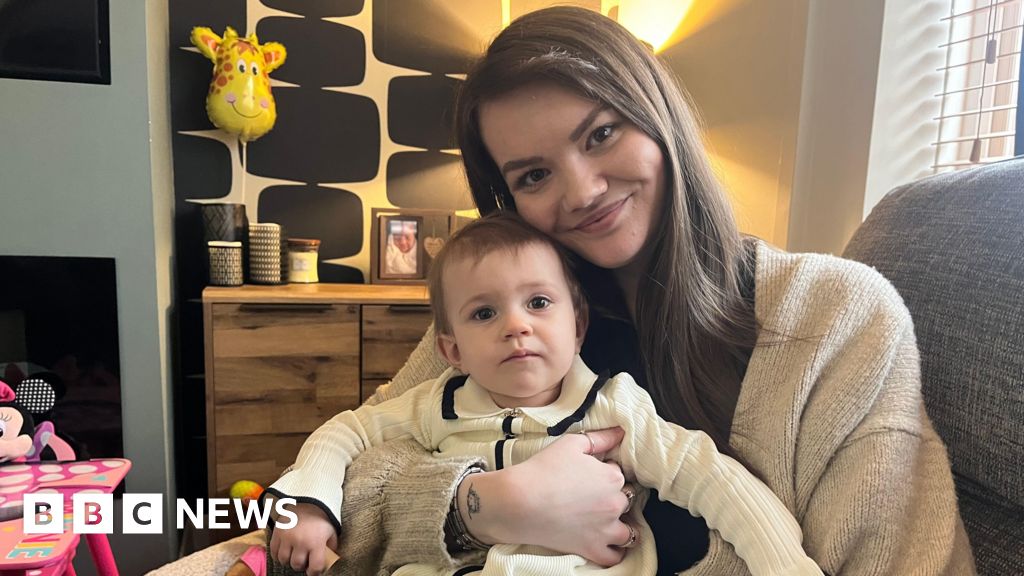
Blyth teenage cancer survivor celebrates becoming a motherImage Credit: BBC News
Key Points
- •LONDON – The birth of a child is a profound milestone. For one teenage cancer survivor from Blyth, it represents a victory not only over a life-threatening disease but also over a decade of persistent physical, emotional, and significant financial hurdles. Her journey from a teenage diagnosis to motherhood casts a sharp light on the often-overlooked economic "long tail" of surviving cancer at a young age, a reality faced by a growing demographic in the UK.
- •Educational and Career Disruption: A diagnosis during secondary school, college, or university years frequently forces extended absences. This can delay graduation, alter career paths, and result in lower starting salaries compared to peers. The need for ongoing medical appointments and managing long-term side effects can further limit career options to more flexible, but often lower-paying, roles.
- •The Employment Gap: Studies, including those from UK charities like Macmillan Cancer Support, consistently show an employment gap between cancer survivors and the general population. Survivors may face unconscious bias from employers, struggle with "chemo brain" or fatigue that impacts performance, or require workplace accommodations that not all businesses are equipped to provide.
- •The High Cost of Fertility: For many young cancer patients, treatments like chemotherapy and radiation can impair or destroy fertility. The cost of fertility preservation (egg or sperm freezing) prior to treatment can be substantial and is not always fully covered by the NHS. Subsequent fertility treatments, such as IVF, represent another major, often prohibitive, financial barrier for those wishing to start a family.
- •Navigating Financial Services: Young adult cancer survivors often become "uninsurable" or face exorbitant premiums for essential financial products. Life insurance, critical illness cover, and even income protection become difficult to secure, leaving survivors and their new families financially vulnerable. This "cancer premium" can also extend to mortgage applications, where a history of serious illness can be a red flag for lenders.
Blyth teenage cancer survivor celebrates becoming a mother
LONDON – The birth of a child is a profound milestone. For one teenage cancer survivor from Blyth, it represents a victory not only over a life-threatening disease but also over a decade of persistent physical, emotional, and significant financial hurdles. Her journey from a teenage diagnosis to motherhood casts a sharp light on the often-overlooked economic "long tail" of surviving cancer at a young age, a reality faced by a growing demographic in the UK.
While celebrating the arrival of her child, the Blyth native, who battled cancer in her youth, provided a candid perspective on the lasting impact of the disease.
"I still face challenges with my pain, cancer changes a person," she shared with BBC News. "You may think this is not the life I imagined growing up but it is a life and we've got to be so thankful."
This sentiment of gratitude mixed with realism underscores a critical narrative. Medical advancements have dramatically improved survival rates for adolescent and young adult cancers. However, the financial and professional recovery for these survivors often lags far behind their physical recovery.
The Unseen Balance Sheet of Survival
Surviving a major illness as a teenager comes with a unique and complex set of economic consequences that can echo for decades. The disruption occurs at a pivotal moment for educational and career development, creating a long-term financial deficit that can be difficult to overcome.
Analysis of survivorship data reveals several key areas where young cancer survivors face significant economic headwinds.
-
Educational and Career Disruption: A diagnosis during secondary school, college, or university years frequently forces extended absences. This can delay graduation, alter career paths, and result in lower starting salaries compared to peers. The need for ongoing medical appointments and managing long-term side effects can further limit career options to more flexible, but often lower-paying, roles.
-
The Employment Gap: Studies, including those from UK charities like Macmillan Cancer Support, consistently show an employment gap between cancer survivors and the general population. Survivors may face unconscious bias from employers, struggle with "chemo brain" or fatigue that impacts performance, or require workplace accommodations that not all businesses are equipped to provide.
-
The High Cost of Fertility: For many young cancer patients, treatments like chemotherapy and radiation can impair or destroy fertility. The cost of fertility preservation (egg or sperm freezing) prior to treatment can be substantial and is not always fully covered by the NHS. Subsequent fertility treatments, such as IVF, represent another major, often prohibitive, financial barrier for those wishing to start a family.
-
Navigating Financial Services: Young adult cancer survivors often become "uninsurable" or face exorbitant premiums for essential financial products. Life insurance, critical illness cover, and even income protection become difficult to secure, leaving survivors and their new families financially vulnerable. This "cancer premium" can also extend to mortgage applications, where a history of serious illness can be a red flag for lenders.
The Lingering Costs of a "Cure"
The survivor's reference to her "challenges with my pain" points to the reality of ongoing health issues. Long-term and late-emerging side effects of cancer treatment—known as "late effects"—are common and can include chronic pain, cardiovascular issues, secondary cancers, and mobility problems.
These conditions necessitate a lifetime of monitoring and management, generating persistent costs for both the individual and the healthcare system.
A Breakdown of Ongoing Financial Burdens:
-
Direct Medical Costs: While the NHS covers primary treatment, survivors may face out-of-pocket expenses for prescriptions, specialized therapies (such as physiotherapy or psychotherapy), and medical equipment not covered under standard care.
-
Indirect Costs: Travel to specialist appointments, often located far from home, accumulates costs in fuel, public transport, and parking. There is also the cost of lost wages for time taken off work for both the survivor and potentially a partner or caregiver.
-
The "Scanxiety" Tax: The psychological toll, including anxiety and depression, is a well-documented aspect of survivorship. Accessing mental health support can involve long NHS waiting lists, forcing many to seek private therapy at a considerable personal expense to manage the ongoing stress and trauma.
Implications and The Path Forward
The story of the Blyth mother is a microcosm of a larger societal issue. As medical science continues to turn cancer into a manageable long-term condition for more young people, our social and economic infrastructure must adapt.
The focus must shift from merely surviving the disease to thriving in its aftermath. This requires a multi-faceted approach from government, industry, and the healthcare sector.
Key Implications:
-
For Policymakers: There is a clear need for enhanced financial support systems for young survivors, including grants to offset the cost of fertility preservation and financial counselling. Stronger enforcement of the Equality Act 2010 is also critical to protect survivors from workplace discrimination.
-
For the Financial Industry: Insurers and lenders must re-evaluate their risk models for cancer survivors. A blanket approach based on diagnosis history is outdated. A more nuanced assessment, considering the specific type of cancer, treatment completion, and long-term prognosis, is required to provide fair access to financial products.
-
For the Healthcare System: The NHS must continue to invest in holistic survivorship care programs. These programs should integrate long-term physical monitoring with psychological and financial support, providing a single point of contact for survivors navigating the complexities of post-cancer life.
This survivor's new chapter as a mother is a testament to personal resilience. It is also a powerful call to action, demanding that we build a society where the price of surviving cancer is not a lifetime of financial penalty.
Source: BBC News
Related Articles
Nationwide Protests Against ICE Enforcement Erupt in U.S.
Thousands are protesting ICE after the DOJ declined to investigate a fatal agent-involved shooting in Minneapolis, fueling a national movement and public anger.
Venezuela Amnesty Bill Could Free Political Prisoners
Learn about Venezuela's proposed amnesty bill to release political prisoners. The move could signal a major political shift and affect future economic sanctions
Pokémon Cancels Yasukuni Shrine Event After Backlash
The Pokémon Company has canceled an event at Tokyo's controversial Yasukuni Shrine after facing international backlash from China and South Korea.
US to Lose Measles Elimination Status: What It Means
The U.S. is poised to lose its measles elimination status due to escalating outbreaks. Learn what this downgrade means for public health and the economy.